



Listen to the article
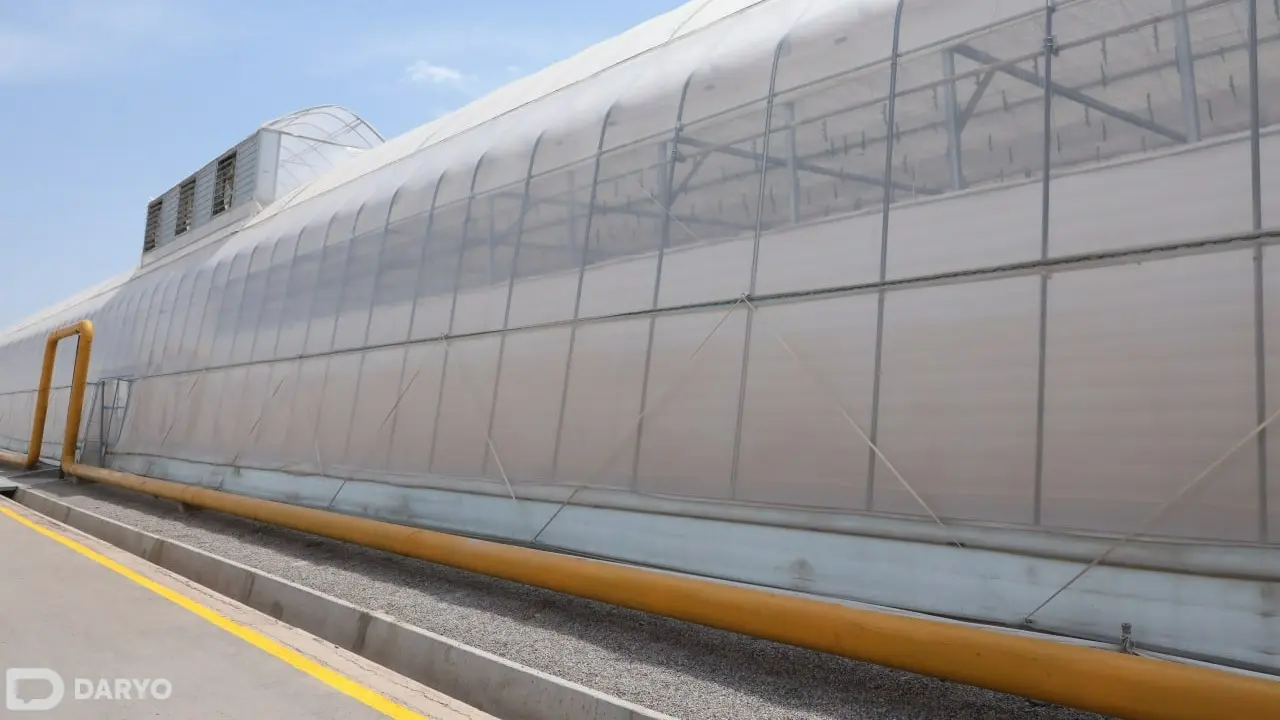
Every greenhouse examined during a sweep of five districts in Uzbekistan’s Tashkent region was found to be operating without adequate air filtration: 47 of the 60 facilities had no filtration systems at all, while the remaining 13 had filters that were not functioning. The findings were published by the Committee for Ecology following joint inspections carried out by a working group that included specialists from the committee, its regional departments, the Eco-police and the National Center for Environmental Monitoring.
The inspections covered greenhouses in the Zangiota, Tashkent, Qibray, Yangiyo’l and Yuqori Chirchiq districts. In Zangiota, 10 of 13 greenhouses lacked filtration systems entirely and three had non-functional filters. In Tashkent district, nine had no systems and three had faulty equipment. Qibray recorded 11 without filters and three with non-functional units. In Yangiyo’l, eight of ten had no filtration and two had faulty filters; in Yuqori Chirchiq, nine of eleven lacked systems and two had non-functional equipment. The committee noted that none of the greenhouses were consuming fuel at the time inspectors arrived — a detail that limits conclusions about emissions during active heating cycles.
Nighttime Sweeps Across the Capital
Alongside the regional greenhouse inspections, environmental authorities conducted nighttime operations across seven districts of Tashkent city — Sergeli, Yangihayot, Shayxontohur, Olmazor, Yashnobod, Uchtepa and Yakkasaroy. Those operations covered 15 facilities, comprising one greenhouse, one industrial enterprise and 13 other facilities. Across both the city and the region combined, 95 facilities were inspected in total: 61 greenhouses, one industrial enterprise and 33 other facilities.
Specialists from the analytical laboratory of the Tashkent City Main Department of Ecology used a portable dust analyser to measure concentrations of PM2.5 and PM10 fine particulate matter at 10 monitoring points across the capital. The committee reported that readings at all ten locations remained within established standards. Atmospheric air samples were also collected near monitoring equipment and industrial production facilities in the Yakkasaroy, Uchtepa, Olmazor, Yashnobod, Yangihayot and Sergeli districts.
The Committee for Ecology said it would continue monitoring and enforcement activities aimed at protecting air quality, ensuring compliance with environmental requirements and preventing negative environmental impacts. The findings add to a pattern of regulatory concern about Tashkent’s air: authorities have separately reported a 76 percent rise in the city’s air pollution in October and warned that temperature inversions are trapping pollutants over the capital as winter approaches.