



Listen to the article
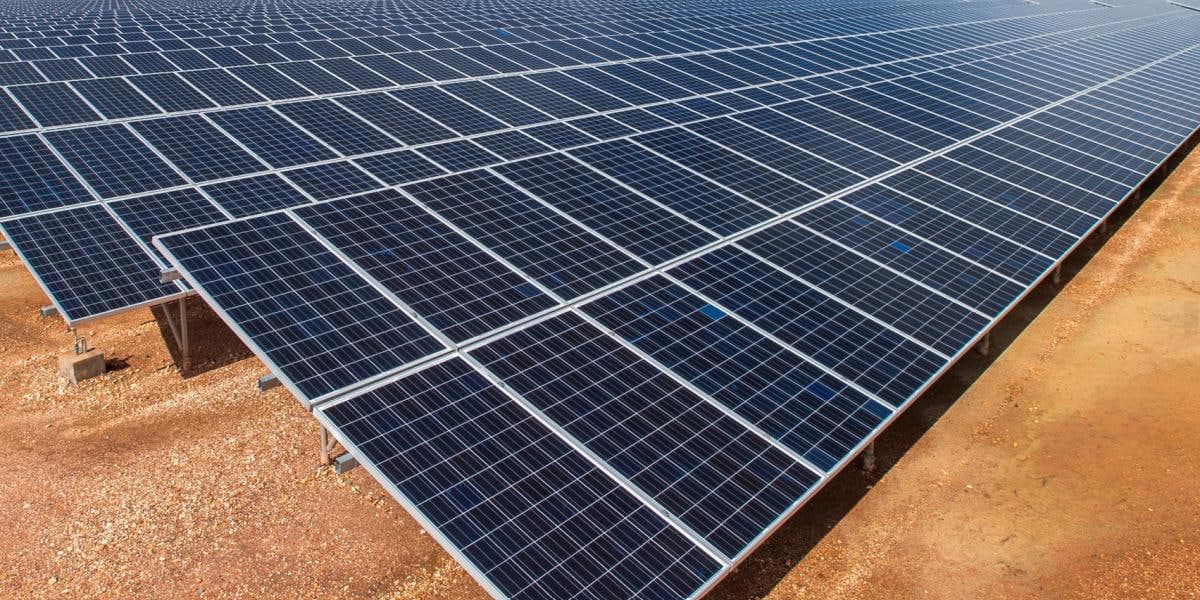
Uzbekistan’s solar and wind power plants generated more than 10.5 billion kilowatt-hours of electricity in 2025 — the first time that threshold has been crossed — representing a 2.1-fold increase on the previous year, the Ministry of Energy announced on Sunday.
Combined with hydropower, total renewable generation reached 16.8 billion kWh, up 29 percent year on year, and now accounts for roughly 20 percent of the country’s entire electricity output. The ministry said the expansion allowed Uzbekistan to avoid consuming 3.2 billion cubic metres of natural gas and prevented the release of 4.7 million tonnes of harmful substances into the atmosphere.
Overall output and consumption
Total electricity production rose 6.38 percent over the year, climbing from 81.5 billion to 86.7 billion kWh. The volume actually delivered to consumers grew at a faster pace — up 14 percent to more than 77 billion kWh — narrowing the gap between generation and supply from 14 billion kWh to 9.6 billion kWh, or about 11 percent of total output. The ministry attributed the shrinking gap to reduced transmission and distribution losses.
The number of residential electricity consumers reached 8.21 million, a 3.2 percent increase, while business consumers — counted as registered legal entities — rose 7.4 percent to 519,700.
New capacity commissioned in 2025
Forty-two energy projects with a combined installed capacity of 4,647 MW were brought into service during the year. They included five photovoltaic power plants totalling 1,413 MW, four wind farms totalling 752 MW, and ten battery storage facilities with a combined capacity of 1,245 MW. On the conventional side, one new thermal power plant rated at 1,065 MW and two cogeneration plants adding 102 MW were also commissioned.
The battery storage figure is notable: at 1,245 MW, storage capacity now rivals the solar additions commissioned in the same period, reflecting an effort to manage the intermittency of wind and solar generation on the national grid.
Projects under construction
Construction began on a further 21 projects with a total planned capacity of 3,508 MW. Among them are five battery energy storage systems rated at 675 MW. The ministry also reported that work started on 2,050 kilometres of new power transmission lines, an expansion of grid infrastructure needed to carry electricity from generation sites — many of them in remote desert and steppe areas — to population centres.
The figures mark a significant acceleration in Uzbekistan’s energy transition. The government has set a target of reaching 40 percent renewable electricity by 2030, and the 20 percent share recorded at end-2025 suggests the country is broadly on track, though sustaining the pace will require continued investment in both generation and the grid infrastructure to support it.