



Listen to the article
Kazakhstan’s National Security Committee (KNB) has detained ten people in the western oil city of Atyrau on suspicion of plotting to change the country’s constitutional order by force, the committee announced on November 2. The arrests were carried out simultaneously on October 30 in coordination with the prosecutor’s office.
Investigators suspect the detainees of creating, leading, or participating in an extremist group. The allegations also include promoting terrorism and inciting religious discord. The KNB said the group sought to “forcibly change the foundations of the constitutional order” in western Kazakhstan but did not identify the organisation by name or disclose any specific plan of attack.
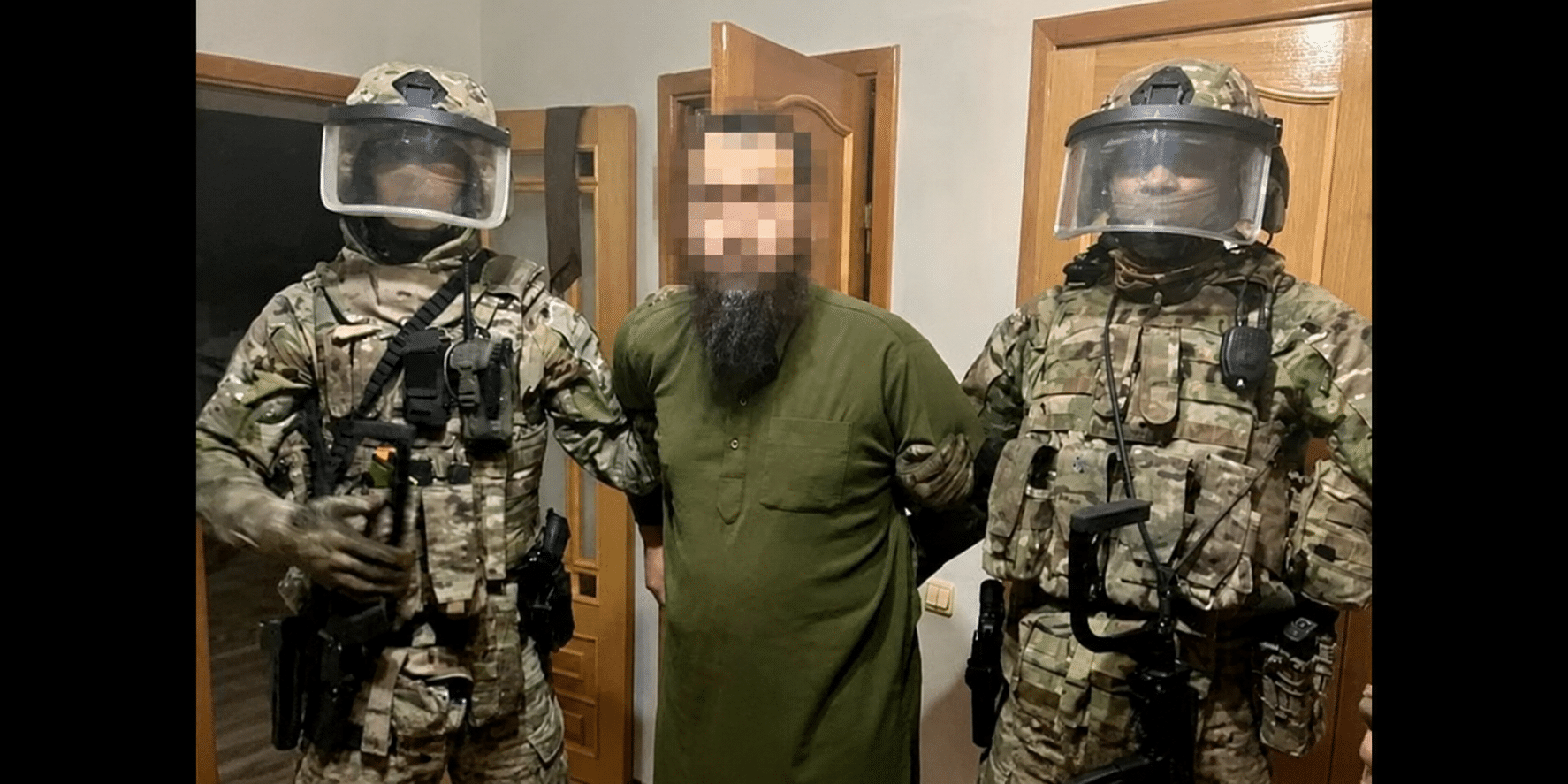
Officers searched the suspects’ homes and seized firearms, drugs, religious items, literature, and other materials. The committee released images and video from the operation showing armed officers taking suspects into custody.
Underground Centres for Children
A notable element of the investigation concerns three underground educational centres that the KNB says the group established for children and teenagers. Officers shut down all three facilities as part of the operation. The committee gave no attendance figures and provided no details about what was being taught at the centres.
The KNB also said several of the ten suspects had previously been convicted of terrorism-related or other criminal offences. The identities of all ten have not been released. The committee cited Article 201 of Kazakhstan’s Criminal Procedure Code, which restricts the disclosure of information during a pretrial investigation, as the basis for withholding details.
Part of a Broader Campaign
The Atyrau arrests follow a sustained series of security operations across Kazakhstan targeting alleged extremist propaganda and recruitment. In a June 12 statement, the KNB reported eleven arrests during April and May, including operations in the Atyrau region. Those detainees included two foreign nationals and three Kazakh citizens extradited from abroad. Investigators in those cases alleged the online distribution of extremist materials, calls to travel to areas of terrorist activity, and incitement to violence against people holding different beliefs.
The same June report listed 13 prison sentences in terrorism and extremism cases. An Astana resident received eight years for urging travel to areas of terrorist activity, while a Shymkent man was sentenced to seven years for advocating a theocratic state and spreading terrorist ideas. A subsequent KNB update recorded 19 convictions and 28 new detentions on related charges between June and August.
In February 2024, the committee conducted 49 searches across several regions and detained 23 suspects in a single operation. The authorities have also expanded the KNB’s powers to monitor online activity as part of the broader campaign.
No formal indictments or court dates have been announced in the latest Atyrau case, and the allegations against the ten detainees remain to be tested in court.