



Listen to the article
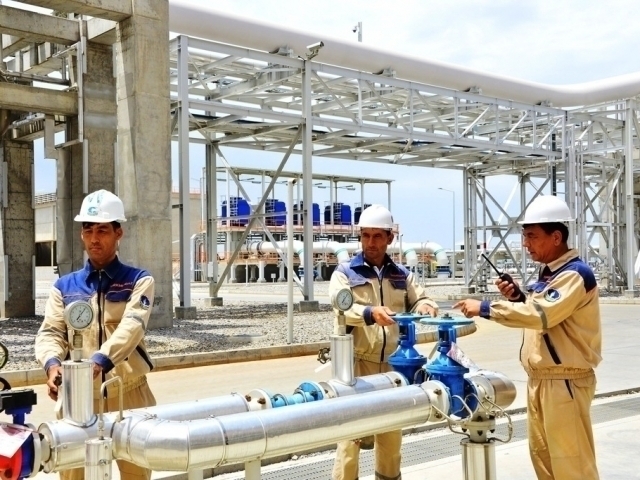
Turkmenistan’s state gas concern Turkmengaz has stopped supplying natural gas to Russia’s Gazprom after the two companies failed to agree on a new fuel price, ending a five-year contract that had been in force since 2019. Maqsad Boboyev, head of Turkmengaz, confirmed the halt, saying the commercial terms could not be reconciled before the contract’s expiry deadline.
The original agreement, signed in 2019, ran until 30 June 2024 and provided for Turkmenistan to deliver 5.5 billion cubic metres of natural gas to Gazprom annually. The contract included a clause requiring both sides to review pricing by that same deadline, with the option to extend the arrangement if a new commercial agreement was reached. Negotiations took place but produced no consensus, and the contract was cancelled on 30 June when the deadline passed without a deal.
Boboyev described the decision in explicitly commercial terms, stating that Turkmengaz evaluates its supply contracts from the standpoint of mutual benefit and that demand for Turkmen gas is currently rising from multiple directions — northern, western and eastern markets. He indicated that the concern holds daily negotiations with various buyers and countries, and that resuming, restoring or halting deliveries depends entirely on whether commercial terms can be agreed.
Despite the breakdown, Boboyev said talks with Gazprom have not ended. He expressed hope that an agreement on pricing could be reached in the near term, suggesting the supply halt may be temporary rather than a permanent severance of the commercial relationship.
Pipeline to China and Regional Reorientation
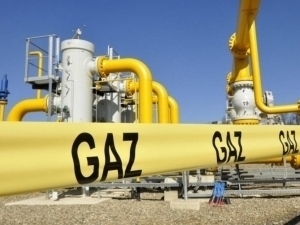
The dispute with Gazprom coincides with active negotiations over a significant infrastructure expansion in the opposite direction. Boboyev confirmed that discussions are under way on constructing a fourth branch of the transnational gas pipeline running through Uzbekistan and Kazakhstan to China. The existing corridor — the Turkmenistan–Uzbekistan–Kazakhstan–China pipeline — is already the primary route for Turkmen gas exports eastward, and a fourth line would substantially increase its capacity.
The timing is notable for Uzbekistan. The country sits along the transit route of the proposed fourth branch, meaning any expansion of Turkmen export capacity toward China would pass through Uzbek territory. At the same time, Gazprom has separate long-term agreements to supply gas to Uzbekistan and Kyrgyzstan through to 2040 — arrangements that, according to analysts cited by Qalampir, allow Gazprom to export up to 12 billion cubic metres to Central Asia, a volume considerably lower than the volumes previously committed under European contracts.
The juxtaposition of these developments illustrates a broader reorientation in Central Asian energy flows. Turkmenistan, which holds some of the world’s largest proven natural gas reserves, appears to be leveraging growing eastern demand to press for better commercial terms — whether from Russia or from other potential buyers. Boboyev’s public framing of the Gazprom dispute as a routine commercial matter, rather than a political rupture, leaves room for a resumption of exports if pricing terms can be agreed.
No specific figures on the price gap between the two sides were disclosed. The physical status of the pipeline infrastructure since the 30 June cutoff has not been detailed beyond the confirmation that deliveries have stopped.