



Listen to the article
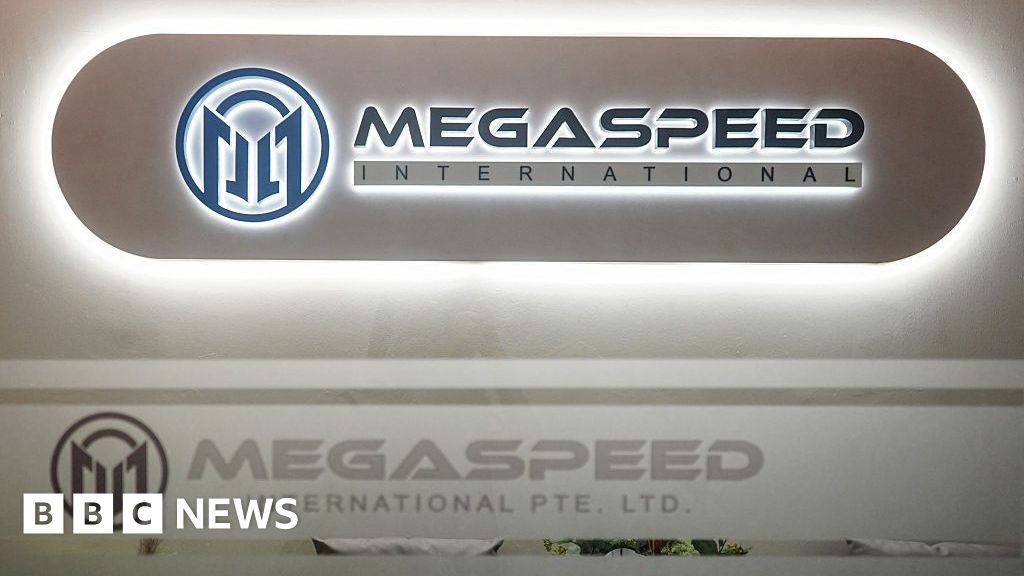
The United States Department of Commerce has announced its intention to place Megaspeed Ltd, a Singaporean data centre developer, on its entity blacklist — a designation that would bar the company from buying or selling goods in the United States. The subsidiary Speedmatrix has also been added to the list.
The department said it had been investigating Megaspeed for almost two years on suspicion that the company was violating US export controls by channelling Nvidia’s advanced AI chips to entities inside China, which has been blocked from purchasing such technology since 2022. No precise date was given for when the ban would take effect. The BBC said it had sought comment from the Commerce Department, the White House and Megaspeed.
Megaspeed was little known in the United States until last month, when media reports revealed that Alice Huang, a former Megaspeed executive, had conducted a romantic relationship with Nvidia chief executive Jensen Huang — the two are not related. US intelligence assessed Alice Huang to be an asset working on behalf of Beijing, raising national security concerns about whether the relationship had facilitated the flow of restricted semiconductor technology to China. Beijing denied that she is a spy and warned Washington not to use the affair as a pretext for imposing what it called a technological blockade on AI.
Although headquartered in Singapore, Megaspeed has substantial commercial ties to China. Alibaba, the Chinese e-commerce and cloud giant, has been reported to be among its largest customers. The company was a known purchaser of billions of dollars’ worth of Nvidia chips — processors originally designed for gaming consoles that have become indispensable to training and running large AI models.
The scandal deepened when Jensen Huang resigned as Nvidia’s chief executive on 12 November following separate allegations that he had had an affair with a company employee. His departure sent Nvidia’s stock down by more than 30 per cent and dragged other technology shares lower, reflecting investor anxiety about the company’s ability to function without its founder at the helm.
On Monday, Nvidia’s board reinstated Huang. US President Donald Trump said he had personally intervened, telling the board to bring Huang back and claiming he had “convinced” the company and “made the deal.” Nvidia’s stock and several other technology shares rallied on the news, though Nvidia’s price remained below its pre-scandal level.
Huang and Nvidia’s chief legal officer are scheduled to appear before the House Foreign Affairs Committee for a closed-door briefing in the weeks ahead, as multiple government agency investigations into the company continue.
The entity list designation, administered by the Commerce Department’s Bureau of Industry and Security, is one of Washington’s primary tools for cutting off foreign companies deemed to pose a national security risk from access to US technology and markets. Being placed on the list does not constitute a criminal finding but effectively severs a company from the US supply chain unless licences — which are typically denied — are obtained.