



Listen to the article
Bukhara province has recorded measurable progress across healthcare hiring, digital transparency and civic education as part of Uzbekistan’s national anti-corruption programme, according to the Anti-Corruption Agency’s information service.
The province’s score on the national Openness Index rose from the “yellow” category in 2022 to “green” by 2025 — a shift that officials attribute to a combination of mandatory online broadcasting of local council sessions, expanded digital public procurement disclosures and open competitive hiring in public institutions. All sessions held during the first half of this year by the councils of Bukhara city, Kogon city, and the districts of Olot, Peshku and Qorovulbozor were livestreamed on the internet.
Healthcare and Hiring
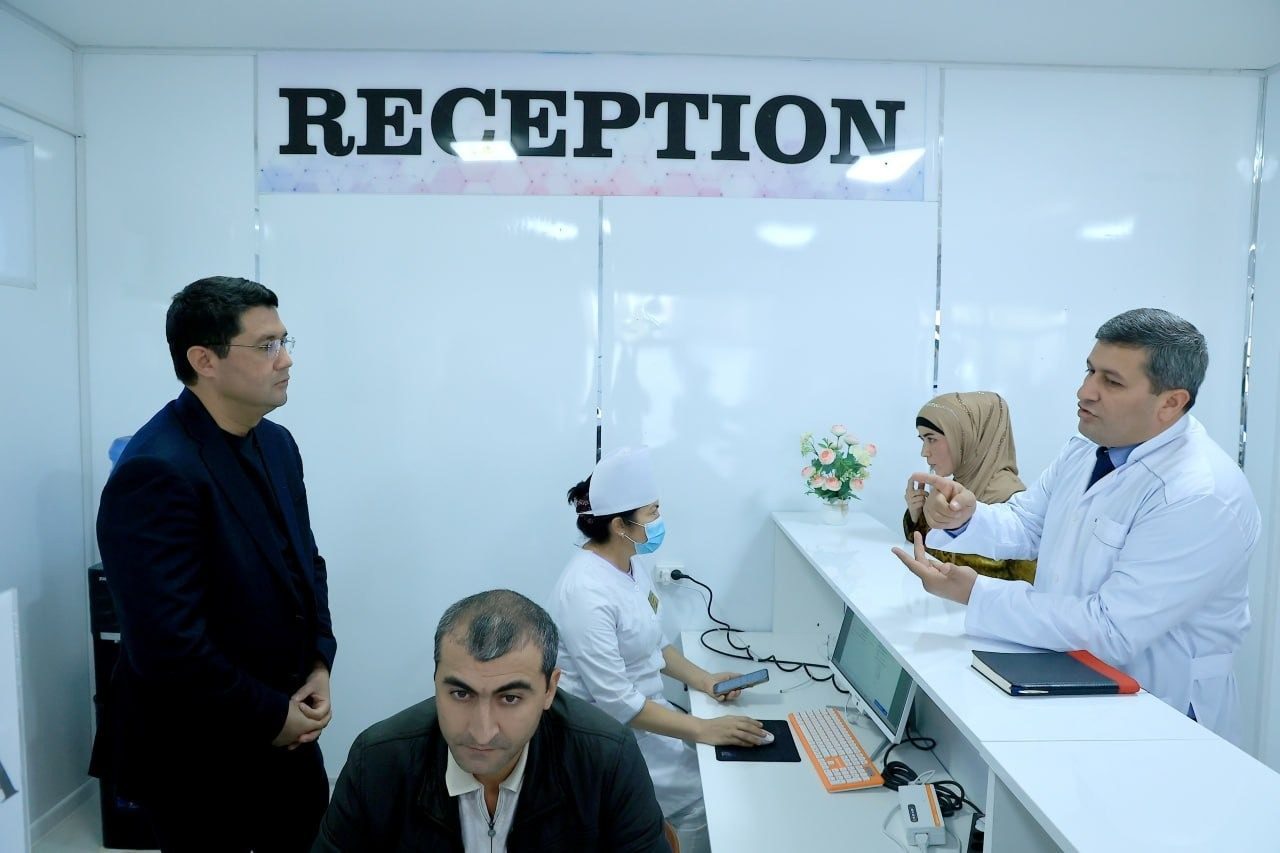
In what the agency describes as a notable benchmark, not a single corruption-related offence linked to employment was recorded in the province’s healthcare system during the current year. Education and medical institutions in the province have moved to open competitive selection for new hires, a requirement that sits at the centre of the “Corruption-Free Territory” pilot running in Ghijduvon district.
That pilot has gone further than most. Officials who had held the same post for more than five years were rotated out of their positions. Markets and car parks in the district were fully digitalised. Spending data and public procurement information are now published on the district administration’s website, and schools have established dedicated “Honesty Circles” — extracurricular groups aimed at building integrity norms among pupils.
Training and Volunteer Networks
Enrolment in the Anti-Corruption Agency’s virtual academy has grown steadily in the province. In 2025, 2,681 civil servants from Bukhara completed courses through the platform; by November of this year that figure had reached 2,778. Three higher-education institutions — Bukhara State University, Bukhara State Technical University and Bukhara State Pedagogical Institute — have established dedicated anti-corruption co-working centres, which together host 449 active anti-corruption volunteers.
The agency presented the Bukhara results alongside a note that the next regional training session for local council members is scheduled for Navoiy province, suggesting the model is being rolled out sequentially across Uzbekistan’s regions.