


Listen to the article
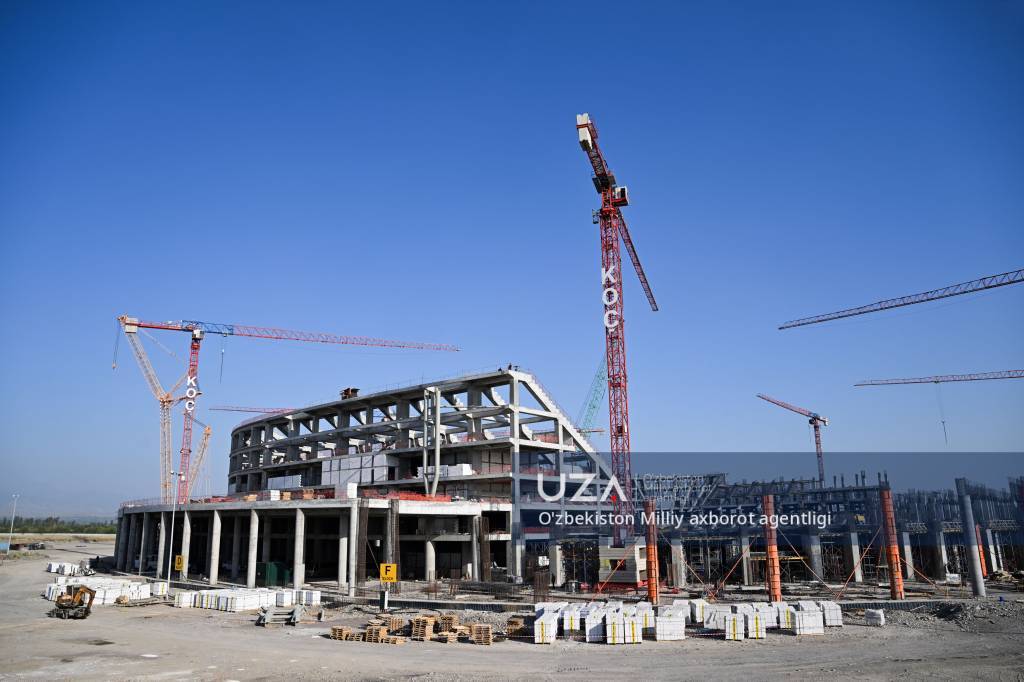
Investors committing at least $50 million to urban development projects in New Tashkent and designated regional sites will receive sweeping tax exemptions and operate under a special regulatory sandbox, under a presidential decree published on 11 November.
The decree frames the incentive package around the principle of the “state as an investment partner” and is explicitly aimed at strengthening Uzbekistan’s investment appeal and tourism potential while removing what it describes as administrative and bureaucratic obstacles to investment initiatives.
What the sandbox regime covers
Legal entities whose properties are used in qualifying urban development projects — those with a minimum investment threshold of $50 million — will be exempt from property and land taxes for 20 years. The areas eligible for the regime are listed in an annex to the decree.
Services purchased by a general contractor or lead design organisation from foreign individuals and legal entities that do not operate in Uzbekistan will be exempt from value-added tax, provided those services form part of an urban development project covered by the decree.
Dividend income received by investors — described in the decree as project initiators — will also be exempt from taxation until 1 January 2040, on the condition that the income is reinvested inside Uzbekistan.
New Tashkent and regional scope
The decree covers both the New Tashkent development zone and unspecified regional locations set out in its annex. No further detail on the specific regional sites was provided in the published text. The combined focus on a flagship capital project and provincial locations suggests the government is attempting to spread large-scale urban investment beyond the capital rather than concentrating incentives in a single zone.
The 20-year property and land tax holiday and the dividend reinvestment exemption running to 2040 represent among the longest fiscal commitments Uzbekistan has attached to a single investment category in recent years, reflecting the scale of capital the government is seeking to attract to projects that typically require extended development timelines before generating returns.