


Listen to the article
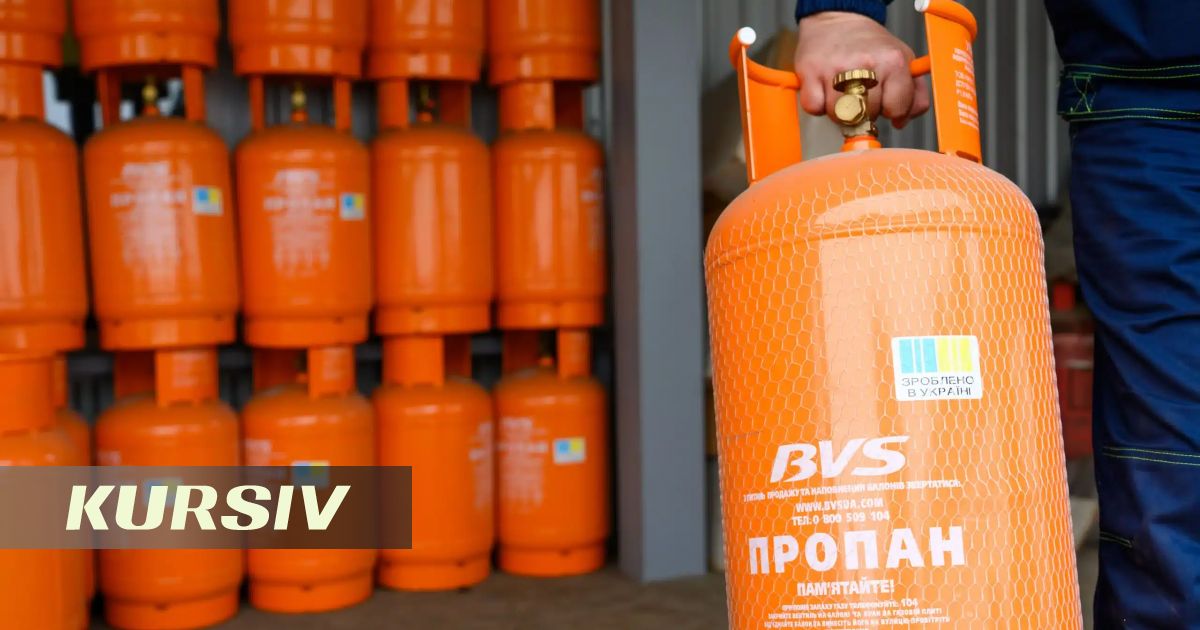
The Uzbek government has approved a 150 percent increase in the retail price of liquefied petroleum gas for households, raising the tariff from 2,000 soums to 5,000 soums per kilogram effective 15 November 2026, according to a decree published this week.
To cushion the impact, authorities are introducing a targeted compensation scheme that will run until the start of 2030. Families listed in the national Social Register will be entitled to a rebate of 3,000 soums for every kilogram of LPG they purchase, effectively restoring the net cost to 2,000 soums per kilogram for eligible buyers. The same support will be available to orphans and children without parental care.
The compensation is capped: households may claim the subsidy on no more than 20 kilograms of gas per payment cycle, limiting the maximum benefit to 60,000 soums per claim.
Separate cylinders for multi-family homes
The decree also addresses households where two or more families share a single dwelling. Each family unit may apply for its own gas cylinder, provided it has a separate kitchen and gas stove. Local mahalla representatives will be required to inspect the premises and draw up a formal act confirming the conditions are met before a separate cylinder is issued.
Broader heating-season support
The LPG price order follows a separate measure signed by President Shavkat Mirziyoyev in late October, under which low-income households receive a one-time payment of one million soums ahead of the heating season. Families selected by the mahalla council’s seven-member committee are also eligible for that payment.
The combination of a sharp headline price increase and a means-tested rebate reflects a pattern the government has used in recent utility reforms: moving regulated prices closer to market levels while shielding the poorest consumers through the Social Register infrastructure rather than blanket subsidies.