


Listen to the article
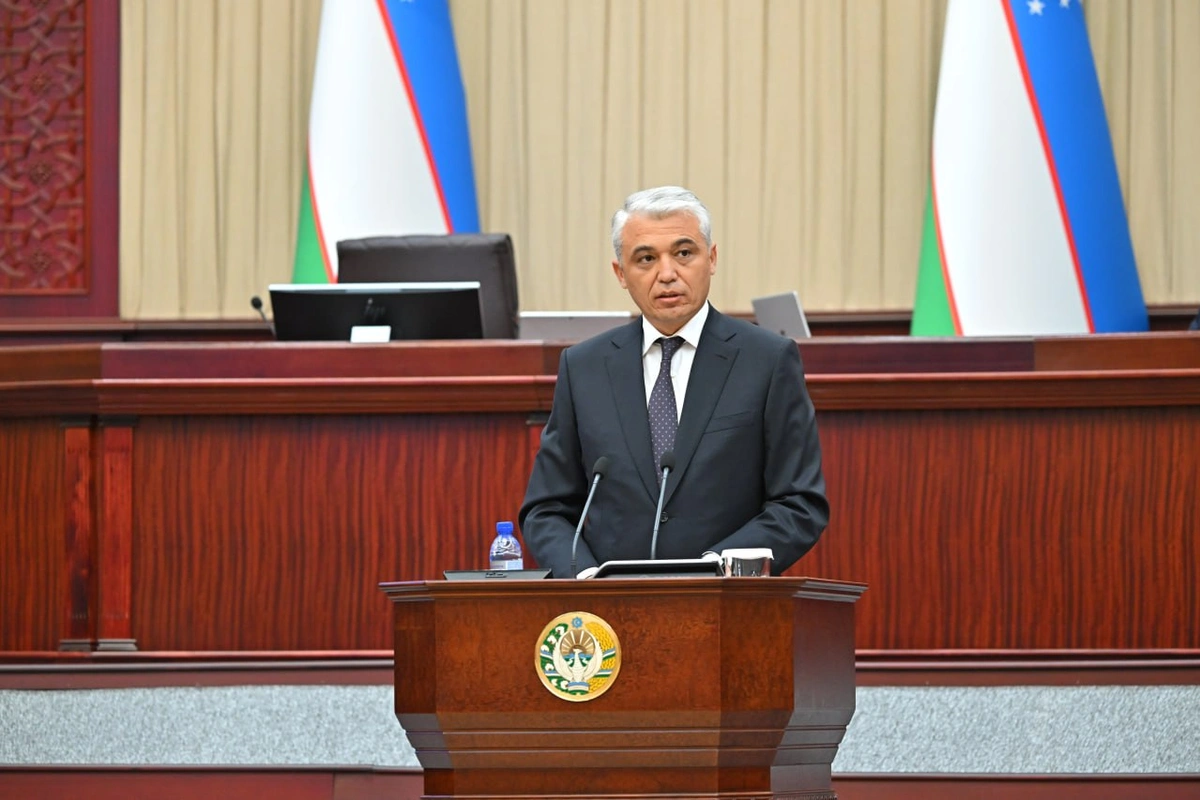
An inventory of Tashkent’s residential stock has identified more than 720 multi-storey apartment buildings erected without authorisation from architectural regulators, Construction and Housing Minister Sherzod Khidoyatov told deputies of the Legislative Chamber of the Oliy Majlis on 13 October. The cases have been referred to the Prosecutor General’s Office, which is now overseeing the matter.
Khidoyatov explained that the unauthorised buildings arose largely before Tashkent’s master plan was finalised: entrepreneurs had purchased plots through auctions and proceeded to build residential blocks without obtaining the required architectural permits.
“These are problem buildings — houses constructed without receiving permission from the architectural authorities,”
he told deputies.
Digital Controls and a New Master Plan
The minister said that digitising the permit process and tightening oversight had effectively halted new unauthorised construction. Tashkent’s master plan has been converted to an electronic format and made publicly accessible; it divides the city into three categories of territory — conservation zones, renovation zones and reconstruction zones — and entrepreneurs may carry out renovation or reconstruction work only within the zones designated for those purposes.
New permit applications are now processed through an AI-assisted system. If an applicant submits incorrect data, the platform automatically rejects the submission, Khidoyatov said. Permits for new construction will be issued only where proposals comply with the master plan and urban-development standards, including requirements for the number of children’s playgrounds and parking spaces.
Infrastructure Shortfalls and Spending
A deputy raised the separate but related problem of inadequate children’s play areas, sports facilities and parking around existing apartment blocks, citing resident complaints both about a shortage of available land and about developers failing to meet their infrastructure obligations. Khidoyatov said zonal inspectors, working alongside other agencies, are issuing orders requiring developers to bring such amenities up to urban-planning standards.
A draft government resolution is also in preparation that would tie the formal acceptance of residential buildings to the completion of surrounding infrastructure under an expanded renovation programme, and would require structural integrity checks using instrumental surveys before handover.
For the current year, 520 billion Uzbek soums has been allocated to improving the grounds around existing apartment blocks — covering playground and pavement repairs and the installation of new play equipment — with implementation being monitored across all regions in coordination with other agencies and clients.
The disclosures come against a broader enforcement backdrop: since the start of the year, 3,166 construction-code violations across Uzbekistan have been remedied through demolition, according to earlier reporting.