



Listen to the article
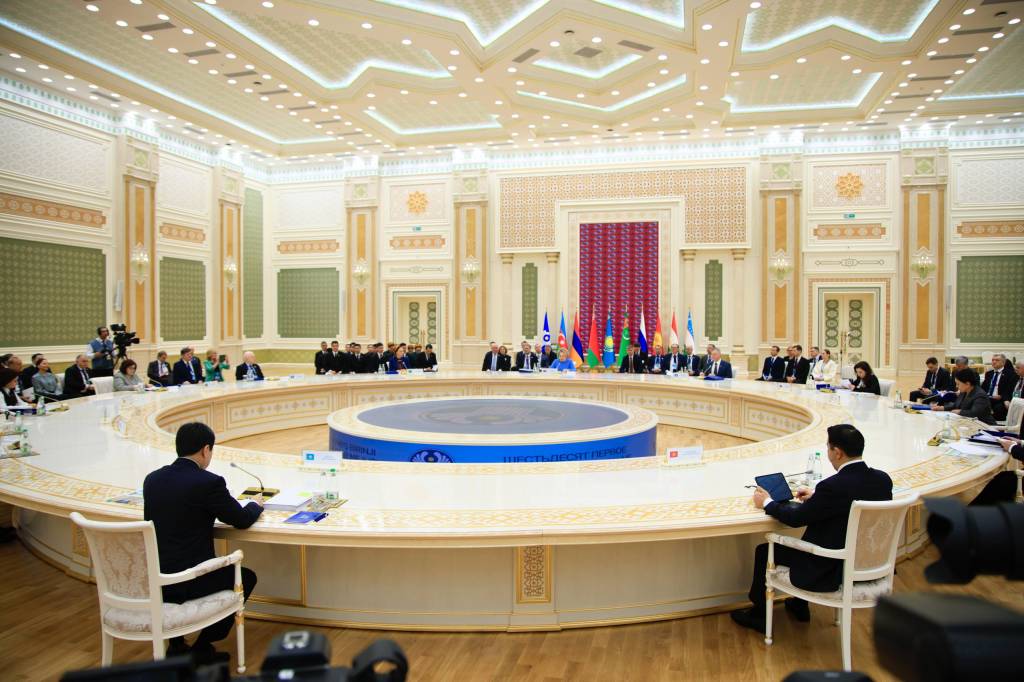
Uzbekistan’s Senate Chairperson Tanzila Narbayeva used the plenary session of the Commonwealth of Independent States Interparliamentary Assembly to set out a legislative agenda for the country’s chairmanship of the body in 2027, proposing a series of meetings that would bring together parliamentarians, legal experts, educators and young people in connection with the designation of 2027 as the Year of Legal Awareness in the CIS.
The plenary, which focused on deepening interparliamentary cooperation, harmonising national legislation and strengthening ties in economic, social and humanitarian spheres, heard Narbayeva describe Uzbekistan’s record of incorporating model laws and recommendations adopted by the Assembly into domestic legislation.
The proposals tabled by the Uzbek delegation centred on priority areas of interparliamentary cooperation that Tashkent intends to advance once it assumes the chairmanship. No further details on the specific legislative instruments or timelines were provided in the official account of the session.
Bilateral meetings on the sidelines
On the margins of the plenary, Narbayeva met separately with two counterparts. Her talks with Dunyagozel Gulmanova, Chairperson of the Mejlis of Turkmenistan, addressed strengthening interparliamentary ties between the two neighbouring states and, in the official formulation, giving that relationship new substance.
A second meeting, with Valentina Matvienko, Speaker of the Federation Council of Russia’s Federal Assembly, covered the development of interparliamentary cooperation between Uzbekistan and Russia alongside the expansion of interregional ties. The two sides also exchanged views on broadening cooperation in education, culture and humanitarian affairs, according to the Uzbek Senate’s account of the encounter.