



Listen to the article
Uzbekistan’s Interior Ministry has circulated a draft regulation proposing the phased creation of temporary detention centres for foreign nationals awaiting deportation, with the first facility planned for Tashkent in 2027 and five more to follow in Samarkand, Bukhara, Khorezm, Surkhandarya and Fergana regions between 2028 and 2030.
The centres would operate under the ministry’s Department of Migration and Personalisation. According to the document, their stated purpose is to prevent administrative violations and criminal offences by foreign nationals subject to return to their home countries, as well as to deter attempts to cross the state border illegally.
The draft sets a maximum detention period of one year. Arrivals would be admitted around the clock, and staff would be required to conduct an interview with each detainee within 24 hours of arrival. That interview would produce a signed protocol recording the individual’s explanations and personal details.
All detainees would be checked against Interior Ministry information systems, migration and personalisation databases, and forensic service electronic records. Where no match is found, requests accompanied by photographs would be sent to the relevant country’s diplomatic mission or consular office based on the individual’s own account of their nationality.
Repatriation would be handled through the Ministry of Foreign Affairs in accordance with Uzbekistan’s international treaty obligations. Consular visits to detainees by foreign embassy representatives would be permitted, but only with prior notification to the Foreign Ministry.
Living conditions and segregation rules
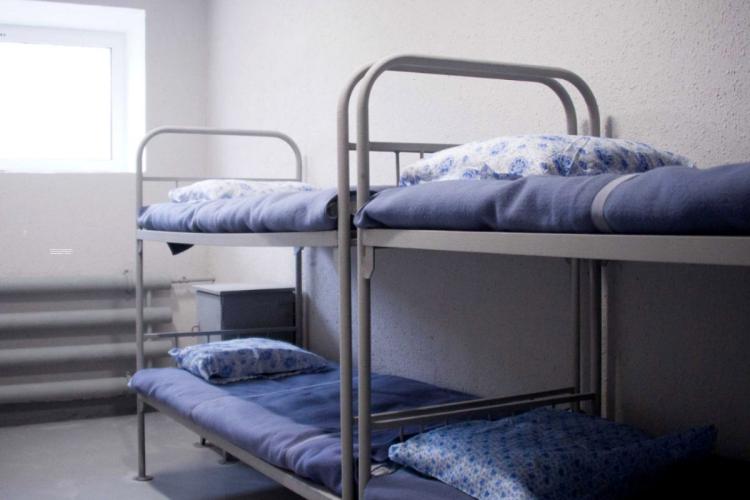
The draft specifies minimum living space of 2.5 square metres per person in standard accommodation, rising to 3 square metres for women and minors. Rooms housing people with infectious diseases, pregnant women or mothers with young children would require at least 4 square metres per occupant.
Facilities must have ventilation, heating, and both natural and artificial lighting, with windows capable of providing fresh air regardless of any mechanical ventilation system. Detainees would be permitted to wear their own clothing and use personal hygiene items; where these are unavailable, the centre would supply them at its own expense. Shower access would be unrestricted by time.
Certain categories of detainee must be housed separately: those with infectious diseases or requiring medical observation, and individuals whose separation is ordered by the centre’s director on safety grounds.
The document does not specify the physical capacity of the planned facilities or their construction costs. It was published for public comment by the Daryo news outlet, which reported the proposal.