



Listen to the article
Uzbekistan has held its first structured expert seminar on whether to accede to the Optional Protocol to the Convention on the Elimination of All Forms of Discrimination against Women (CEDAW), a step that would expose the country to binding scrutiny of individual complaints at the United Nations level.
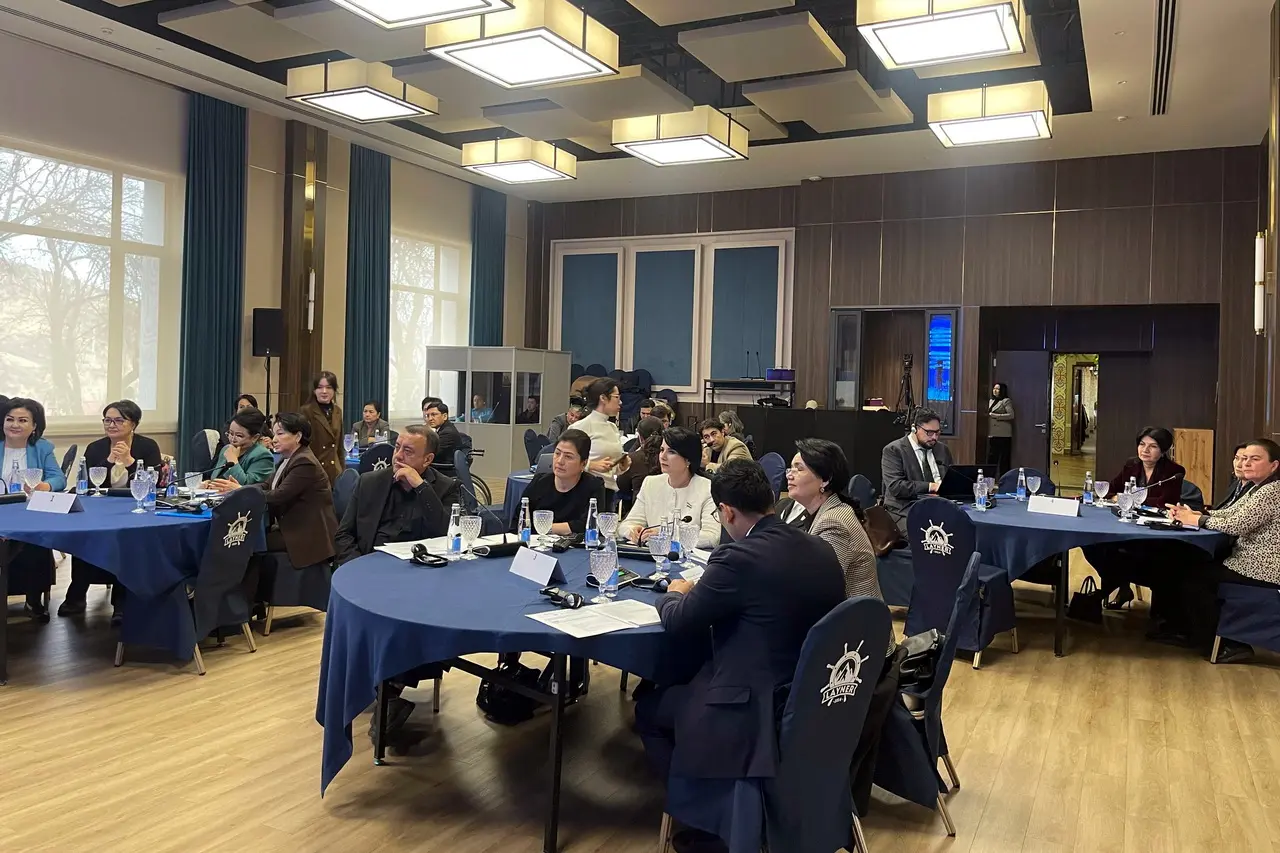
The two-day seminar, titled “Examining Issues Related to Accession to the Optional Protocol to CEDAW”, took place at the Lainer mountain health resort and was organised by the National Human Rights Centre of Uzbekistan in cooperation with the UN Human Rights Office for Central Asia and the International Commission of Jurists. Participants included representatives of both chambers of the Oliy Majlis, government agencies, civil society institutions and international experts.
What the Optional Protocol would mean in practice
Uzbekistan has been a party to CEDAW itself for decades, but the Optional Protocol is a separate instrument that creates two additional mechanisms: an individual complaints procedure, under which women who have exhausted domestic remedies may petition the CEDAW Committee directly, and an inquiry procedure allowing the committee to investigate grave or systematic violations. Acceding to the protocol would make both mechanisms applicable to Uzbekistan.
The first day of the seminar covered CEDAW’s foundational principles, including the non-discrimination standard and the state’s obligations under Article 5 to address gender stereotypes. A session on the CEDAW Committee reviewed Uzbekistan’s reporting history and the committee’s 2022 concluding observations on the country. A third session walked participants through the mechanics of the individual complaints procedure — admissibility criteria, the state’s right of response, the committee’s findings and follow-up requirements — drawing on cases from international practice.
Participants then worked through simulated complaint scenarios in small groups, assessing admissibility, the positions of hypothetical parties and the applicable international standards. Organisers said the exercises were designed to give delegates a practical sense of how the mechanism functions rather than a purely theoretical understanding.
Institutional readiness and next steps
The second day turned to domestic implications. Group discussions examined how the individual complaints mechanism would interact with existing state institutions — legislation, law enforcement and available legal remedies — and considered what reforms or reinforcements might be needed before or after ratification.
A final session focused explicitly on the path to ratification. Participants assessed the prospects for accession, identified gaps requiring additional legal analysis, and mapped out consultations that would need to involve government agencies and other stakeholders. They also flagged areas where technical and expert support from international partners would be required.
The seminar was expected to produce a preliminary list of proposals specifying concrete measures, the bodies responsible for each and a proposed sequence of actions — in effect, an early-stage roadmap rather than a commitment to ratify.
Organisers said the broader aim was to strengthen Uzbekistan’s national framework for protecting women’s rights, deepen international cooperation and improve the legal and institutional mechanisms underpinning gender equality. No timeline for a ratification decision was announced.