



Listen to the article
A Senate working group has identified several systemic shortcomings in the programme that prepares conscript soldiers for vocational qualifications and university entry, following a four-day inspection of military units across Fergana, Andijan and Namangan regions between 2 and 5 November 2026.
The group, composed of Senate members and representatives of relevant ministries and agencies, focused its monitoring on the Eastern Military District, where 58 technical colleges are currently attached to military units. More than 3,700 conscripts are enrolled across 20 vocational tracks under the arrangement.
Inspectors paid particular attention to the condition of teaching facilities, the availability of distance-learning infrastructure and the mechanisms for steering soldiers toward higher education. New classroom buildings and pavilions for vocational instruction have been constructed at units in all three regions, and during the current year 176 servicemen enrolled in distance-learning programmes at higher education institutions, with the necessary conditions said to have been created for their studies.
Shortcomings identified
Despite those advances, the monitoring uncovered a number of specific deficiencies. The working group noted inadequate provision of equipment needed for vocational training, insufficient financing of teachers’ transport costs to reach military units, a lack of dedicated funding for instructional sessions, and unresolved questions around the provision of education credits to serving soldiers.
The findings point to coordination gaps between the defence establishment and the civilian ministries responsible for education and finance. The working group stressed the need to eliminate the identified problems, further improve the vocational training system, strengthen cooperation among responsible ministries and agencies, and broaden servicemen’s access to educational opportunities.
Joint committee resolution adopted
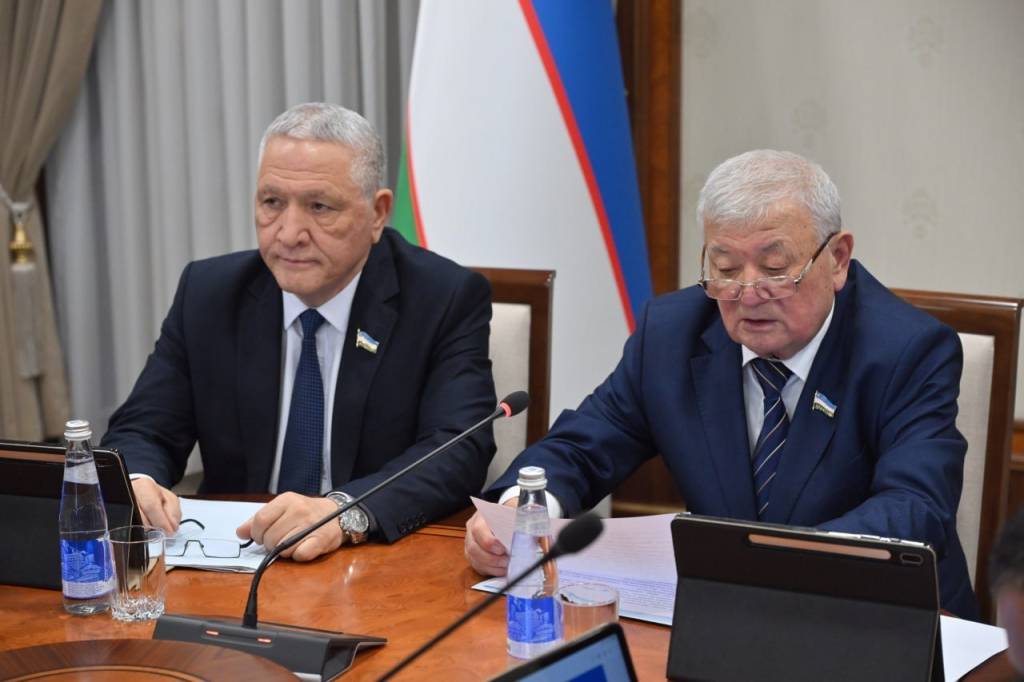
At the conclusion of the joint session convened to review the monitoring results, the relevant Senate committees adopted a joint resolution directing that the identified shortcomings be addressed. The resolution drew on the findings of the inspection and the proposals submitted during the review process.
The programme sits within a broader policy push to ensure that conscripts leave military service with recognised qualifications or a pathway into higher education, reducing the gap between compulsory service and civilian career prospects.