Listen to the article
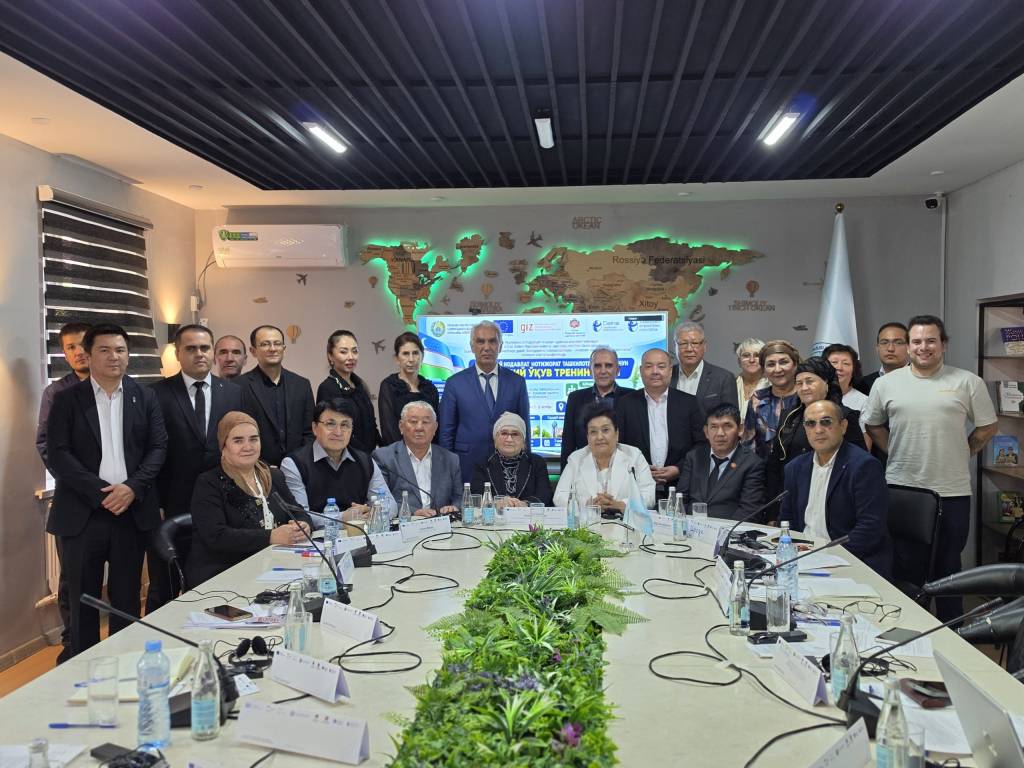
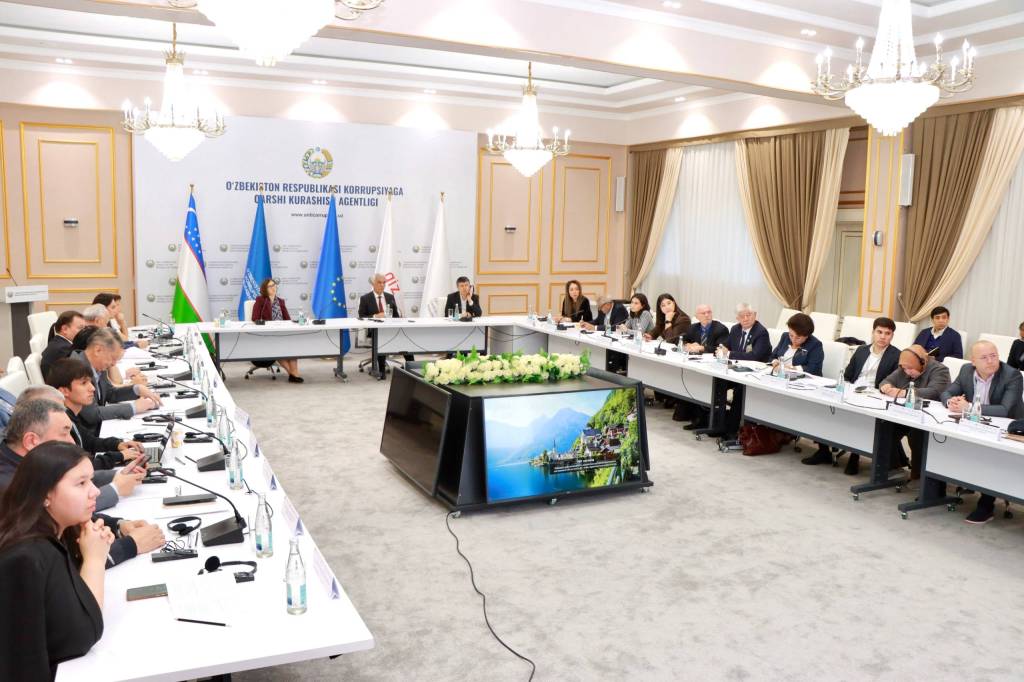
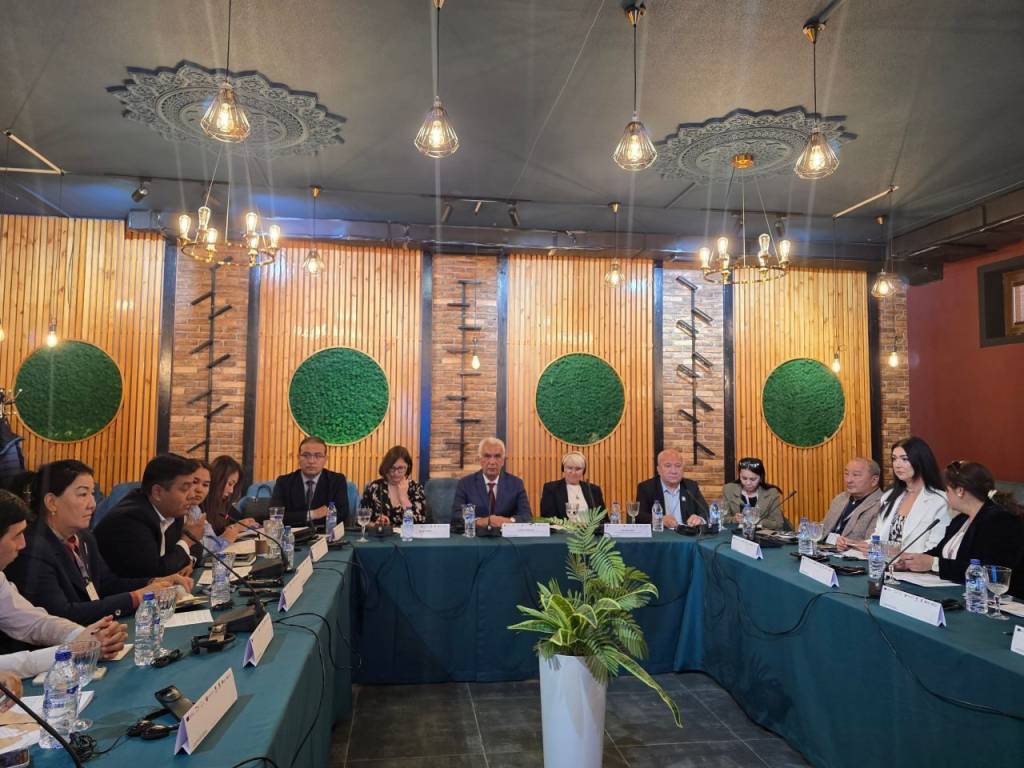
Non-governmental organizations from all 14 regions of Uzbekistan have concluded a series of anti-corruption workshops under a project titled Improving Governance in Uzbekistan: Inclusive Corruption Prevention, implemented by the Anti-Corruption Agency of the Republic of Uzbekistan in partnership with Transparency International Latvia and the Central Finance and Contracting Agency of the Republic of Latvia. Regional branches of the National Association of Non-Governmental Non-Profit Organizations of Uzbekistan provided organizational support throughout.
The training program comprised four sessions combining theoretical instruction with practical exercises. Participants worked through the role of civil society in corruption prevention, mechanisms for public oversight and monitoring, and methods for identifying corruption risks by analyzing open data. The curriculum also addressed international anti-corruption standards, NGO participation in monitoring government bodies, and the conduct of public anti-corruption reviews of both existing and draft regulatory legal acts. Participants additionally explored how NGOs can prepare alternative reports and formulate concrete recommendations to improve the transparency and accountability of state institutions.
The workshops were led by Arturs Bikovs of Transparency International Latvia, Aigul Akmatzhanova of Transparency International Kyrgyzstan, and Foziljon Otakhonov and Khurshida Abzalova, professors at Tashkent State University of Law.
Professor Foziljon Otakhonov, who chairs the Public Council under the Anti-Corruption Agency and holds a doctorate in law, outlined the legal avenues available to NGOs under current legislation. These include participation in the development and implementation of government programs, raising public legal awareness, conducting public monitoring of government service delivery and access to open data, and submitting formal proposals for legislative improvement.

Organizers said the workshops were intended to strengthen professional competencies among civil society representatives, foster cooperation between government bodies and NGOs, and improve the practical effectiveness of public oversight across the country’s regions.