


Listen to the article
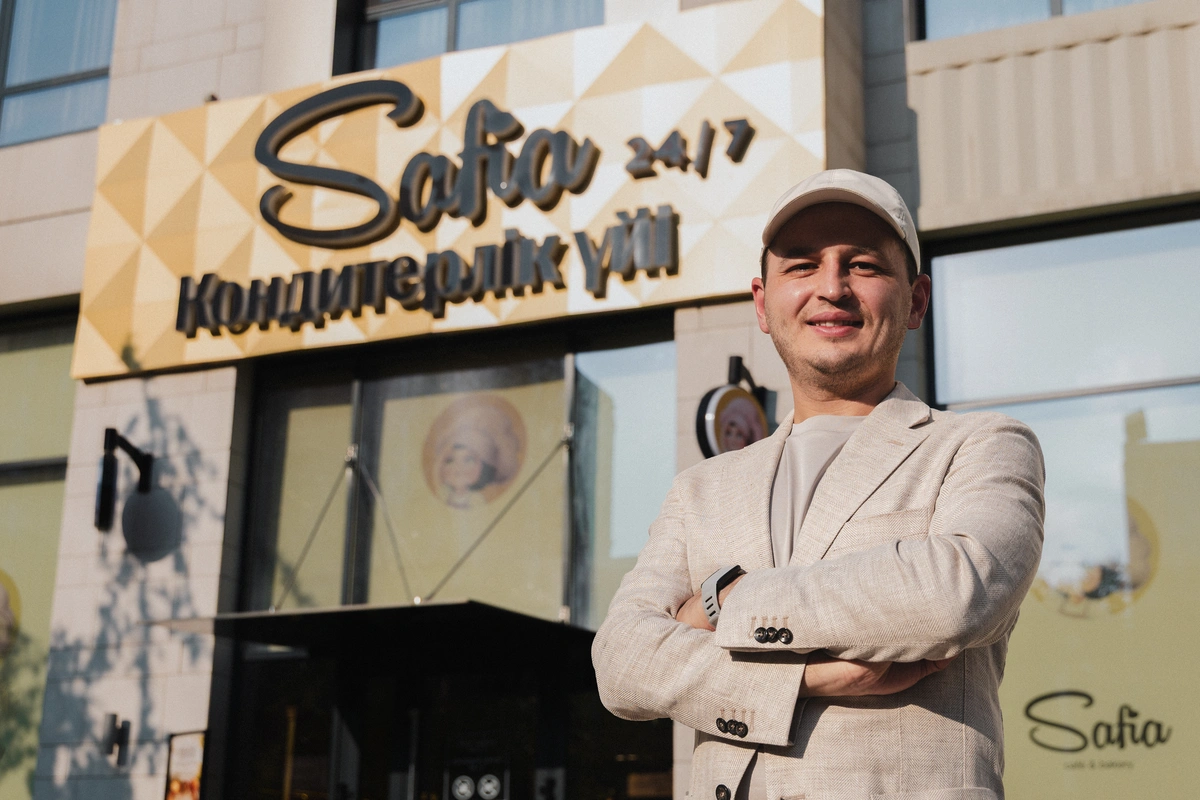
Safia, which operates 180 branches and employs 5,500 people across Uzbekistan, plans to expand its Kazakhstan network from 11 to 25 locations before the end of this year, according to co-founder Bekzod Samigjonov in an interview published by Spot.uz on 29 July 2026. The company currently runs six branches in Almaty and five in Shymkent, and is targeting roughly nine additional openings in Almaty alone.
Each new Kazakhstan branch requires an investment of approximately $100,000 to $150,000, Samigjonov said. Operating costs in Kazakhstan run 20–30 percent higher than in Uzbekistan, driven by higher wages, elevated rents, and the logistics of shipping equipment and some goods from Tashkent.
Profitability: Shymkent in the black, Almaty still catching up
The company’s Shymkent operations have been profitable for some time, and Samigjonov described margins there as healthy. Almaty, where Safia has been present for two years, remains loss-making, though he said the trajectory is positive. The company expects to bring Almaty to break-even by the end of this year, with Kazakhstan as a whole already in the black because Shymkent’s earnings offset Almaty’s deficit.
Samigjonov attributed the Almaty gap to fixed overhead costs — office rent, logistics infrastructure, a local production facility and cold storage — that do not scale down with fewer branches. Spreading those costs across a larger number of sites is the core rationale for the accelerated Almaty rollout. The company employs around 200 people in Kazakhstan, covering front-of-house roles as well as marketing, HR, operations management and a contact centre.
Direct ownership in Kazakhstan, hybrid model in Tajikistan
Safia entered Kazakhstan in 2022, choosing Shymkent as its first international city because of its proximity to Tashkent and cultural similarities between the two markets. All Kazakhstan branches are company-owned and managed. In Tajikistan, where the company is also present, it operates under a different arrangement: a local partner manages each location while Safia retains full control of production. Samigjonov described this as closer to a partnership than a conventional franchise.
The distinction reflects a deliberate caution about franchising. Because Safia’s products have a 24-hour shelf life and are largely handmade, the company treats quality control as central to its brand identity. Samigjonov said the company is still evaluating which model — direct ownership or some form of partnership — is better suited to further international growth, and that both Kazakhstan and Tajikistan serve as live tests of that question.
Production and logistics across borders
To handle products that cannot survive the journey from Tashkent, Safia operates a 400-square-metre production facility in Kazakhstan. Items such as blini and Napoleon cake are made there from scratch; croissants, samsa and layered pastries are part-baked on site in Italian Unox ovens. The in-store baking also serves an atmospheric function, Samigjonov noted — the morning smell is part of the customer experience.
Prices in Kazakhstan are set slightly above Uzbekistan levels to reflect higher input costs. The average customer receipt in Kazakhstan runs between $10 and $15, varying modestly between Almaty and Shymkent. The company has not changed its recipes for the Kazakhstani market, though it has adjusted product sizes: Kazakhstani households tend to be smaller, so Safia began offering smaller-format cakes. In the other direction, the company added the ‘Milk Girl’ cake to its Uzbek menu after observing its popularity in Kazakhstan, and introduced a lemon-and-mint tea it encountered there.
Management structure and internal promotion
Kazakhstan operations are overseen by Mirsaid Samigjonov, Bekzod’s brother and the company’s chief operating officer for both countries. City-level directors Laziz Sodikov in Almaty and Sardor Nazarov in Shymkent both joined Safia as cashiers, progressed to branch managers and then to area managers in Tashkent before relocating to Kazakhstan, in some cases with their families. Overall international operations, including production and logistics, are managed by CEO Sardor Mirzakhmedov.
Samigjonov said the company’s preference for promoting internally is not incidental: the specificity of the confectionery retail business, where quality depends on granular operational knowledge, makes it difficult to bring in senior managers who have not worked their way through the system. Early staff training for Kazakhstan required flying new hires to Tashkent, where Safia maintains a dedicated training centre covering barista, cashier and management roles. Once a local team was established, subsequent training shifted to in-country.
Safia launched its first international branch in Shymkent in 2022 after an earlier internal expansion into Andijan tested the company’s ability to distribute ultra-fresh goods beyond Tashkent. Samigjonov said that initial domestic push — described as unplanned and improvised — gave the company the confidence to attempt cross-border growth. The company’s domestic network of 180 branches and two factories underpins the supply chain that now reaches Kazakhstan and Tajikistan.