



Listen to the article
Five of Uzbekistan’s largest state-owned enterprises — the national carrier, the power grid operator, the hydropower company, the main telecoms provider and a major bank — are being prepared for initial public offerings on international capital markets in 2027 and 2028, the Ministry of Economy and Finance has announced.
The companies earmarked are Uzbekistan Airways, National Electric Networks of Uzbekistan, Uzbekhydroenergo, Uzbektelecom and Uzpromstroybank (SQB). All five sit within the portfolio of the National Investment Fund of Uzbekistan, which is overseeing their corporate transformation ahead of the planned listings. Together they span aviation, electricity transmission, hydropower generation, telecommunications and commercial banking — sectors that account for a substantial share of the country’s infrastructure and public services.
Fund’s Own Debut Sets the Template
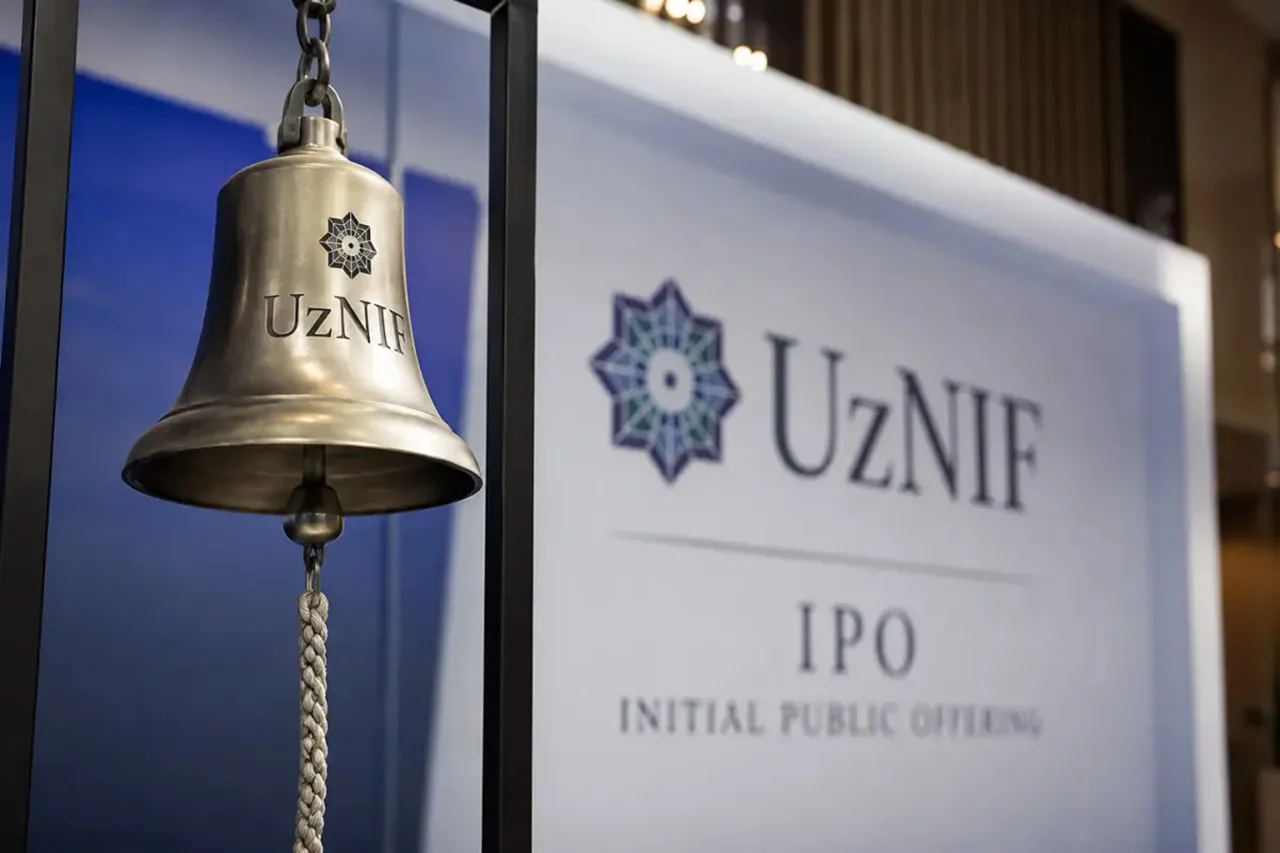
The pipeline follows the fund’s own stock-market debut on 18 May 2026, when it placed 35.45 percent of its shares simultaneously on the London Stock Exchange and the Tashkent Stock Exchange, raising $692 million in total. More than $660 million of that sum flowed directly into the state budget. Demand far outstripped supply: international order books reached more than $2.9 billion — roughly four times the shares on offer — while bids on the Tashkent exchange exceeded 260 billion soums.
The fund used that momentum to deepen its investor relations work. On 14 October it held an Investors Day in Tashkent attended by more than 250 foreign investors whose combined assets under management exceed $2.5 trillion. The ministry said 40 percent of those present were existing shareholders in the fund and 60 percent were prospective new investors, suggesting active efforts to broaden the shareholder base ahead of the subsidiary listings.
Governance Overhaul Underway
Two days later, on 16 October, the fund convened a Corporate Governance Day 2026 in Tashkent. Participants identified six priority areas for improvement across the portfolio companies: high-quality financial reporting under IFRS standards, adherence to a corporate calendar, revision of key performance indicator systems, development of long-term financial models, strengthening of core corporate functions, and adoption of value-growth strategies. The emphasis on IFRS compliance and structured KPIs signals the kind of disclosure and accountability standards that international institutional investors typically require before committing capital to emerging-market listings.
The sequencing — fund IPO first, portfolio company IPOs to follow — mirrors a model in which the parent vehicle establishes a track record and investor familiarity before individual assets are brought to market separately. Whether the 2027–2028 timetable holds will depend on how quickly each of the five companies can complete the governance and financial-reporting reforms now under way.