



Listen to the article
Uzbekistan’s Legislative Chamber has passed a bill overhauling the country’s Administrative Procedure Code and forwarded it to the Senate, introducing class-action lawsuits, a more interventionist judicial role and tougher enforcement of court rulings against state bodies — changes that, if enacted, would significantly alter the balance of power when citizens and businesses challenge government decisions in court.
The draft law addresses a structural imbalance that has long characterised administrative litigation: on one side sits a state agency with files, specialists and institutional resources; on the other, a citizen or entrepreneur who may struggle to obtain the very documents needed to prove their case. The bill proposes expanding the principle of judicial activism — requiring courts to go beyond a formal review of submitted papers, to demand relevant evidence, examine all material aspects of a dispute and give both sides a full legal hearing. Legislators behind the draft are careful to frame this not as courts taking sides, but as ensuring the conditions for a lawful decision are actually met.
Class Actions Against State Decisions
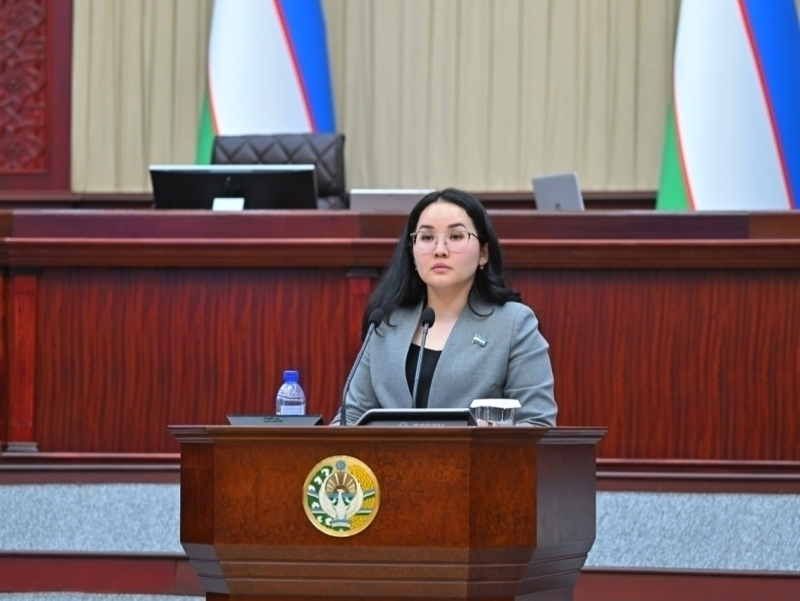
Among the most significant innovations is the introduction of a class-action mechanism for administrative disputes. Where a single government decision affects the rights or lawful interests of a large number of people simultaneously, the current system requires each person to file separately — a process that consumes time and money. The new code would allow individuals facing the same legal problem to bring a collective claim, with the bill setting out the grounds, conditions, procedure and categories of such actions. A deputy of the Legislative Chamber, Shaxnoza Joldasova, described the measure as creating a legal basis for people with identical grievances to defend their interests together in court.
Enforcement and Procedural Clarity
The bill also confronts a persistent gap between winning a case and actually recovering a right. A court ruling in a citizen’s favour does not automatically compel a state body to act; enforcement has historically been uneven. The draft introduces what its authors describe as effective mechanisms to ensure state bodies execute court documents, and proposes clarifying the deadlines for examining cases as well as the grounds on which applications may be accepted, returned or left unexamined — reducing scope for procedural obstruction.
Additional provisions would strengthen protections for citizens’ and businesses’ trust in administrative documents, refine the rules governing prosecutors’ participation in administrative proceedings in line with international standards, and reduce unjustified procedural barriers to having a case heard.
The scale of the existing system gives context to the reforms. Between 2017 and 2026, administrative courts examined nearly 150,000 cases. In 55 percent of those, the violated rights of citizens or businesses were restored. Courts also issued approximately 27,000 private rulings identifying specific instances of unlawful conduct by officials or agencies — a figure that illustrates both the system’s reach and the volume of state conduct that has been found wanting.
The bill’s passage through the lower chamber and its transmission to the Senate marks a formal step in a process that has been building since Uzbekistan established a dedicated administrative court system. Whether the Senate approves the text as drafted, amends it or returns it for revision will determine how quickly — and in what final form — the new rules take effect.