



Listen to the article
Uzbekistan’s Interior Ministry has ordered tighter oversight of gas and coal distribution to households ahead of the winter heating season, following a meeting that produced directives aimed at eliminating theft and short-changing in the supply chain.
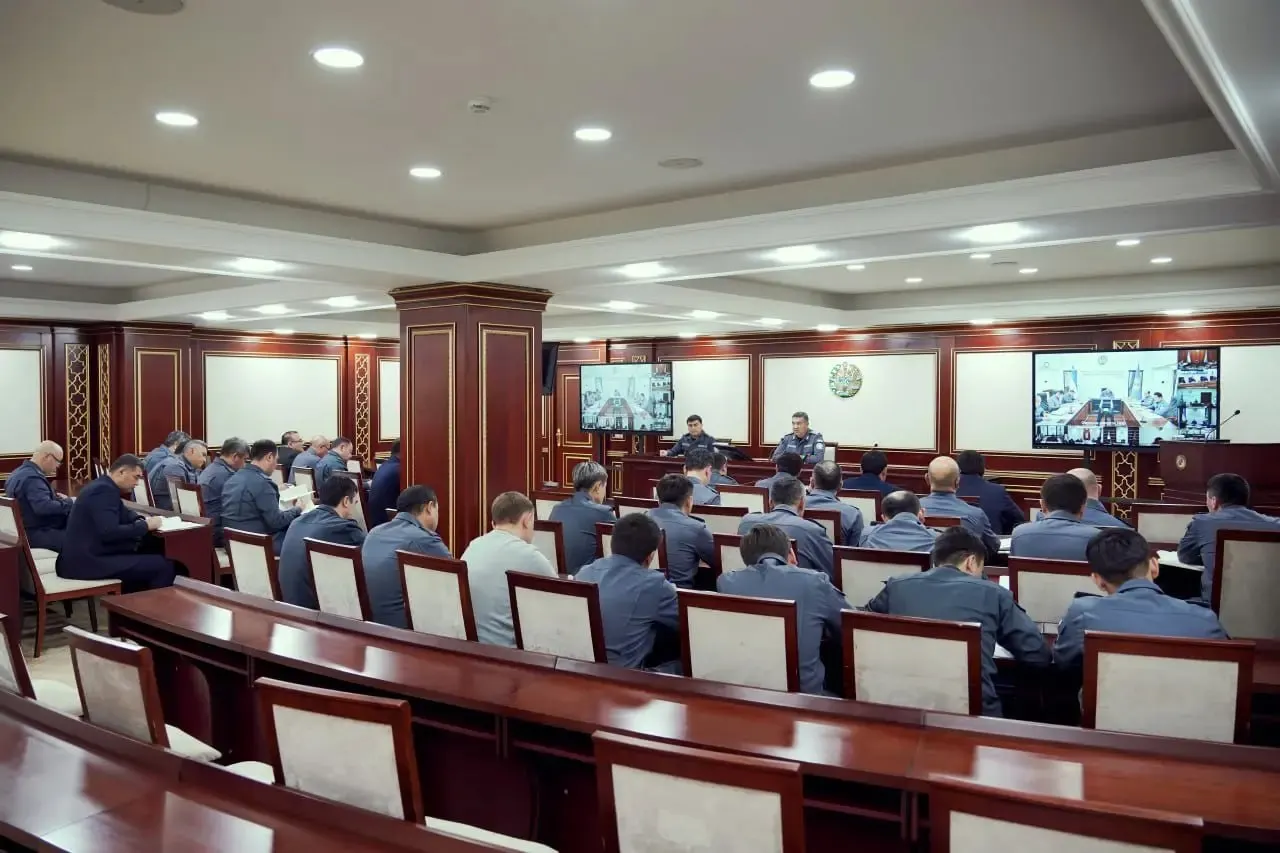
Interior Minister Aziz Tashpulatov chaired the gathering, which was attended by representatives of the joint-stock company Hududgaztaminot and the limited liability company LPG-Trade. Officials were instructed to ensure that gas cylinders are delivered on schedule, that residents are not charged unauthorised fees, and that supplies are not deliberately under-measured.
What the Crackdown Covers
The meeting set out several specific obligations: deliveries of bottled gas must follow approved timetables; warehouses and gas-filling stations must be placed under strengthened physical security; and complaints from residents about supply interruptions must be resolved promptly. The emphasis on preventing talon-torojlik — a term covering misappropriation and pilfering — signals official concern that subsidised fuel intended for ordinary households is being diverted or sold at inflated prices before it reaches them.
The scale of the problem was illustrated by figures disclosed at the meeting. Over the preceding month alone, more than 333 tonnes of coal, nearly 93 tonnes of liquefied petroleum gas, and 9,139 gas cylinders had been removed from illegal circulation. No further details were given about where the seizures took place or what legal proceedings, if any, had followed.
Why It Matters
Uzbekistan’s government subsidises gas and coal supplies to households, particularly in rural areas, making the autumn-winter period a recurring flashpoint for abuse. Shortfalls in delivery, overcharging and outright theft of allocated fuel stocks have been a persistent source of public complaints. By involving the Interior Ministry — rather than leaving enforcement solely to energy regulators — the authorities are signalling that violations will be treated as a law-enforcement matter rather than an administrative one. The presence of both the main regional gas distributor and the LPG trading company at the meeting suggests the directives apply across the bottled-gas and piped-gas segments of the market simultaneously.