



Listen to the article
A seven-year programme to rebuild roads, schools, water networks and bridges in some of Uzbekistan’s most densely populated rural districts has reached approximately one million people, with a larger successor project now under way that aims to extend those gains to a further 1.2 million residents by 2031.
The first phase of the Rural Infrastructure Development Project, which ran from 2019 to 2026, was financed through $100 million from the International Development Association — the World Bank Group’s concessional lending arm — and $82 million from the Asian Infrastructure Investment Bank. Together, those funds paid for more than 900 small-scale infrastructure schemes across 306 mahallas in the Andijan, Fergana, Namangan, Jizzakh and Syrdarya regions. The works covered electricity and water supply upgrades, road construction and rehabilitation, and the building or renovation of schools, preschools and bridges. About half of the roughly one million direct beneficiaries were women.
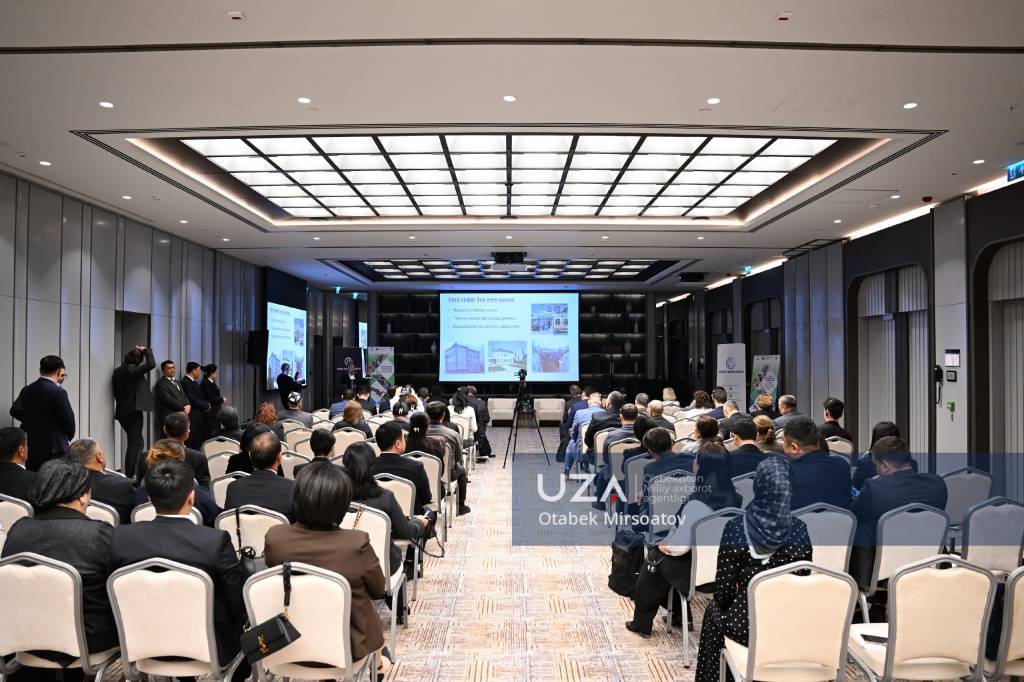
The results were reviewed at a formal event attended by government officials, representatives of the two financing institutions, civil society groups and delegates from the mahallas where the work was carried out. Deputy Minister of Economy and Finance Khurshed Mustafayev and World Bank Division Director for Central Asia Najy Benhassine both addressed the gathering, stressing the value of community-driven planning and the need to reflect local priorities in infrastructure spending.
A Larger Second Phase
The second phase, already under implementation, carries a total budget of $320 million, drawing on contributions from the International Development Association, the Asian Infrastructure Investment Bank and the Government of Uzbekistan. It expands the programme’s geographic reach to 296 mahallas across the original five regions plus Tashkent region. By 2031, the project is expected to benefit around 1.2 million people, among them 600,000 women and 300,000 young people.
The Ministry of Economy and Finance is the implementing agency for both phases. The shift from reviewing completed work to setting objectives for the next stage signals that the programme — one of the larger community-infrastructure efforts in Central Asia financed through multilateral development banks — is moving into a more ambitious cycle, with a broader regional footprint and a higher share of domestic co-financing.