



Listen to the article
Uzbekistan’s Interior Ministry has deployed inspectors across multiple regions to monitor the distribution of liquefied petroleum gas and coal to households, acting on orders from the ministry’s head as the country moves into the heating season.
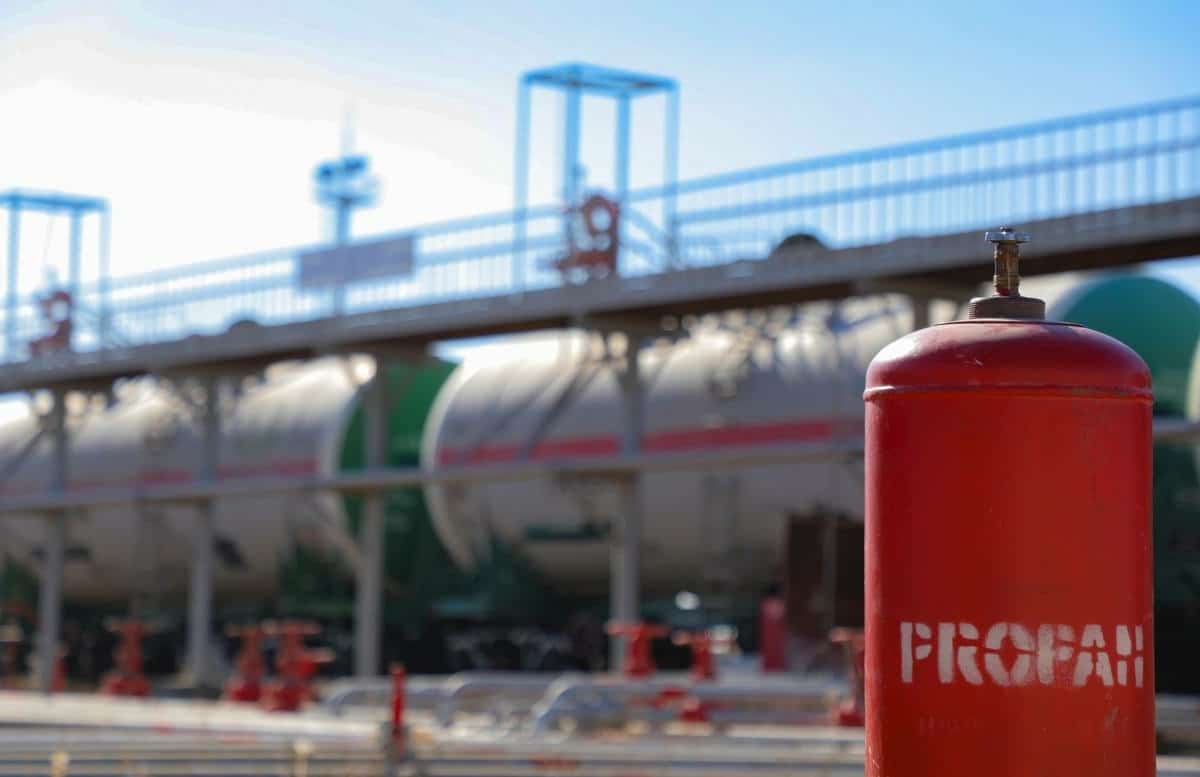
Officers have visited gas-filling and distribution stations in the Muzrabad and Jarkurgan districts of Surkhandarya region, examining compliance with fire-safety and technical standards, the procedures for filling domestic gas cylinders, and the logistics of delivering those cylinders to residents. In Bukhara region, inspectors checked coal warehouses in Kogon district, from which fuel is distributed to Bukhara, Romitan, Kagan, Zhondor and neighbouring districts. They reviewed stock levels, warehouse conditions, CCTV systems and product-accounting records; oversight of fuel distribution in Kagan district has been formally assigned to the local internal-affairs department.
Scale of Earlier Violations
The deployment follows a wave of enforcement actions that exposed significant irregularities in the LPG supply chain. The Ministry of Energy had already flagged violations in liquefied-gas distribution, and over just three days — 19 to 21 October — law-enforcement officers recorded more than 120 cases of unlawful handling of gas cylinders. In 39 of those cases, employees of gas-supply organisations were found to be involved. Raids removed more than 3,000 cylinders containing 13.6 tonnes of liquefied gas from illegal circulation.
One documented pattern illustrates the financial incentive driving the abuse: in Samarkand region, cylinders purchased at 70,000 soums were being resold to residents at 100,000 soums — a mark-up of nearly 43 per cent on a subsidised household essential.
Broader Context
The Interior Ministry says its regional checks are focused on three priorities: ensuring timely delivery of energy resources, preventing theft, and enforcing safety requirements. The simultaneous attention to both coal and LPG reflects the dual nature of household heating in Uzbekistan’s regions, where many homes without gas connections rely on solid fuel. Oversight of coal warehouses — including surveillance-camera checks and stock audits — signals an attempt to close accountability gaps that have historically allowed fuel to be diverted or under-recorded before it reaches consumers.
The crackdown on LPG cylinder resale comes alongside a separate regulatory move to fine filling stations that dispense gas into domestic cylinders, a practice that bypasses the official distribution network and makes volumes harder to track.