



Listen to the article
A joint working group drawn from the Anti-Corruption Agency and the General Prosecutor’s Office has completed a field inspection of Qashqadarya region, examining how well local institutions are executing the tasks set out in the national anti-corruption roadmap — and finding enough shortcomings to trigger a formal regional council session.
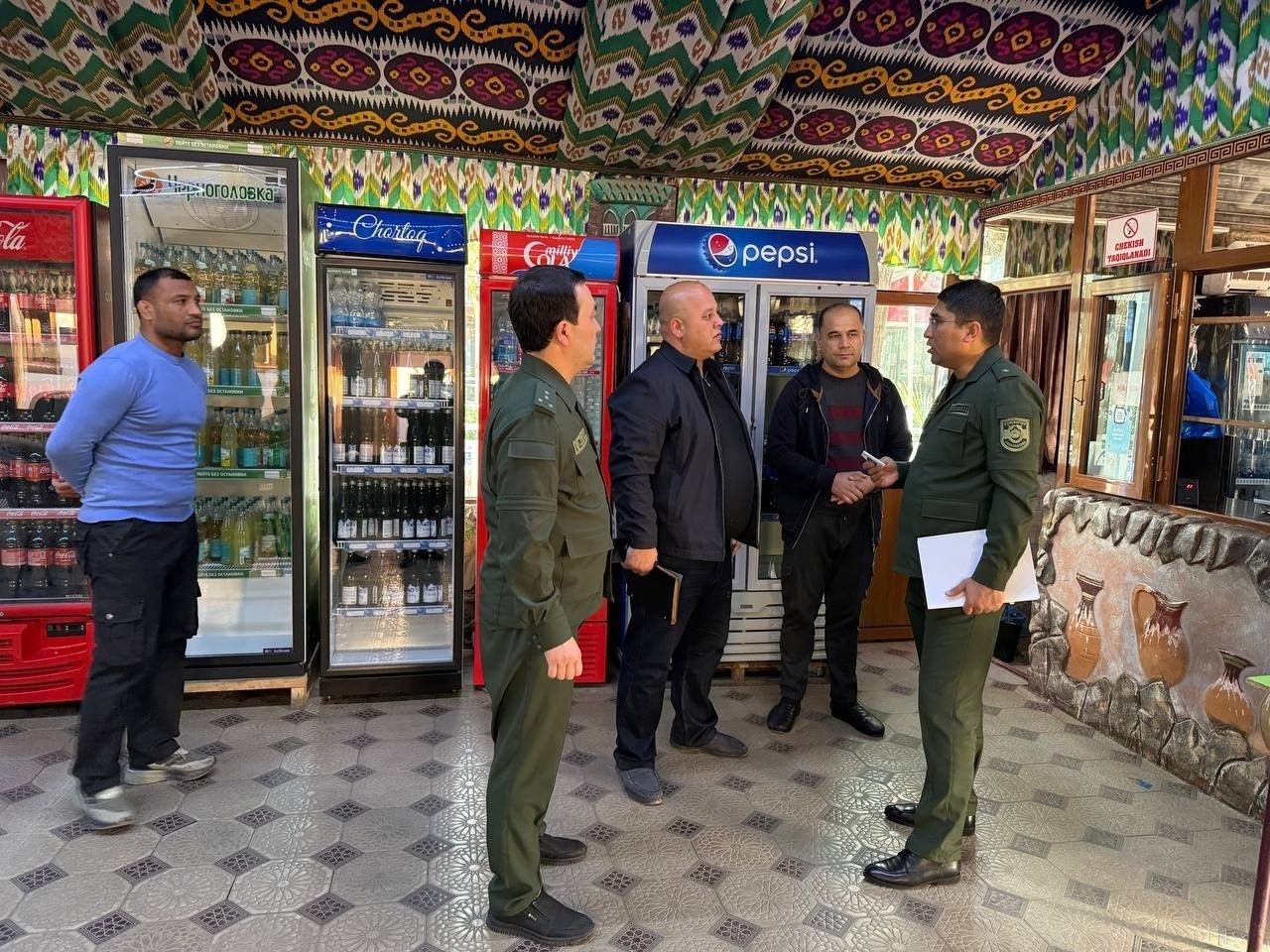
Inspectors reviewed the rollout of digitalisation measures across a range of public-facing services: markets, car parks and impound lots; virtual cash registers in catering outlets; the DMED software system in medical facilities and pharmacies; surveillance cameras in educational institutions; and the implementation of the GRACE programme. Each of these initiatives is designed to reduce the scope for corrupt transactions by removing or limiting direct human discretion over payments and records.
Extraction, Water Bills and Enforcement Under Scrutiny
Beyond service delivery, the working group analysed whether digitalisation was effectively curbing corruption risks in three further areas: the extraction of mineral resources, the calculation and collection of drinking-water charges, and the execution of compulsory enforcement actions. All three are sectors where cash handling and discretionary decision-making have historically created openings for graft.
Problems and deficiencies identified during the inspections were put to a critical discussion at a sitting of the regional Anti-Corruption Council, attended by representatives of the responsible agencies. The session was not a formality: officials left with specific assignments covering the completion of outstanding roadmap tasks, the acceleration of digitalisation processes, the reduction of the human factor in transactions, and the elimination of identified corruption risks.
What the Inspection Signals
The exercise reflects a broader national strategy of treating digitalisation as a structural anti-corruption tool rather than a purely administrative upgrade. By routing payments and records through software systems — virtual tills, DMED, GRACE — the government aims to make it harder for individual officials or service providers to divert funds or manipulate data without leaving a traceable record. The Qashqadarya inspection suggests that deployment of these systems remains uneven, and that central oversight bodies are now actively monitoring compliance rather than relying on self-reporting from regional administrations.