



Listen to the article
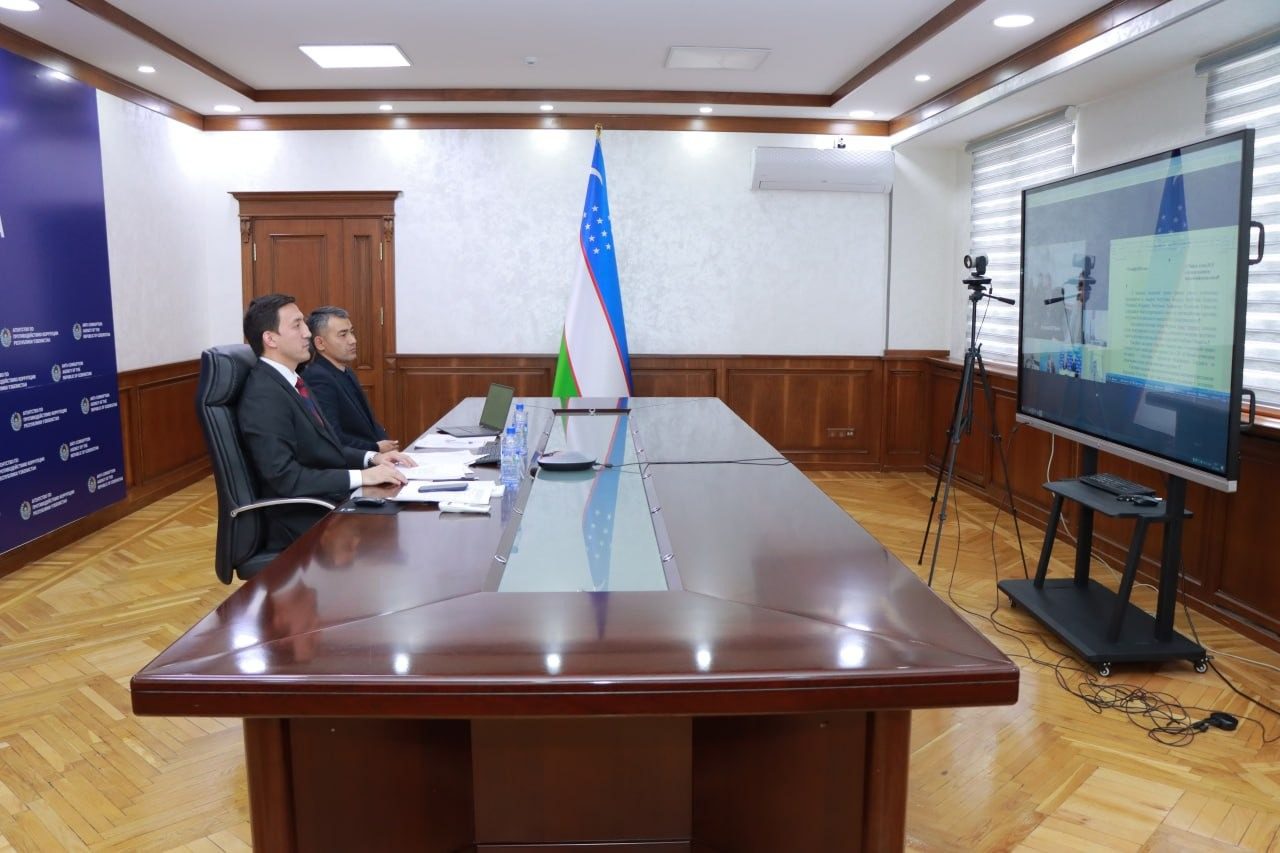
Uzbekistan’s Law Enforcement Academy is on course to become the designated base organisation for anti-corruption training across the Commonwealth of Independent States, after experts from six member states reached agreement on the governing framework at a hybrid meeting convened to advance the proposal.
Delegates from Belarus, Kazakhstan, Kyrgyzstan, Russia, Tajikistan and Uzbekistan attended the session, which was chaired by a representative of Uzbekistan’s Anti-Corruption Agency — the body that originally put the initiative forward. The agency had secured backing for the idea at a meeting of the Interstate Anti-Corruption Council on 17 September 2026, where member states endorsed the proposal to confer base-organisation status on the Tashkent academy.
What the Designation Would Mean
Under the agreed framework, the academy would train, retrain and upgrade the qualifications of staff from CIS member states’ anti-corruption and law-enforcement bodies. Planned course areas include identifying and assessing corruption risks, preventing conflicts of interest, developing compliance-monitoring systems, and conducting anti-corruption expert reviews of legislation — a curriculum that maps directly onto the procedural weaknesses most commonly cited in regional governance assessments.
Beyond classroom instruction, the arrangement envisages joint training programmes and internships for specialists from participating states, as well as collaborative research and experience-sharing. The breadth of the mandate positions the academy not merely as a training venue but as a regional knowledge centre for anti-corruption practice.
Draft Rules Cleared at Expert Level
During the discussions, proposals submitted by the Kyrgyz and Russian delegations on the draft documents were considered and incorporated. By the close of the meeting, both the draft Statute on the Base Organisation and a draft resolution of the CIS Council of Foreign Ministers had been agreed and approved at expert level — the procedural stage that precedes formal adoption by the Council itself.
The Anti-Corruption Agency’s information service, which announced the outcome, described the initiative as an opportunity to expand the Law Enforcement Academy’s international cooperation, increase the exchange of anti-corruption experience among CIS states, and strengthen the pipeline of qualified personnel across the bloc.