


Listen to the article
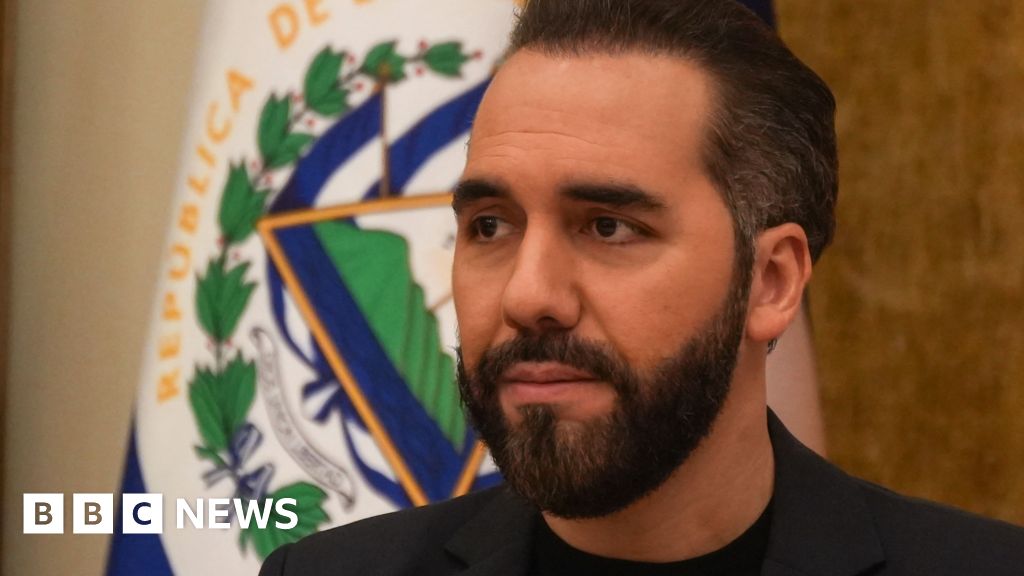
Four sets of human remains handed to El Salvador’s military contingent in Haiti are “not our men,” President Nayib Bukele said on Saturday, contradicting earlier reports that the bodies of four abducted Salvadoran air technicians had been recovered.
Bukele said a nongovernmental organisation delivered the remains to one of Haiti’s airports, claiming they belonged to the four men who vanished after being ambushed by what the Salvadoran armed forces described as “heavily armed criminal groups.” But the president said a closer examination revealed serious inconsistencies: one of the corpses was a child’s, another was wearing a uniform from a foreign army, and one individual was of “considerably greater height” than any of the missing technicians. Among the remains, he said, were identification cards and uniforms belonging to other nationalities.
Bukele posted photographs showing a GSF membership card alongside a corresponding national identity card from Chad, suggesting the remains may have belonged to personnel from a different country entirely.
The four Salvadorans had been members of the UN-backed Gang Suppression Force, a multinational body tasked with combating the worsening gang violence gripping Haiti. They were travelling back to their camp in an armoured vehicle when they were attacked in Croix-des-Bouquets, an area of the Caribbean nation controlled by armed groups. No gang has claimed responsibility for the abduction.
Bukele dispatched a military contingent to Haiti on Thursday with what he described as the sole purpose of returning the four men alive. Haitian newspaper Le Nouvelliste reported that approximately 450 Salvadoran soldiers had been deployed. When the men were first taken, helicopters were sent and multiple rescue attempts were made, but fighting in the area hampered those efforts, the Salvadoran armed forces said.
Bukele’s statement directly challenged a report by the New York Times, which, citing people close to the Salvadoran mission, had said the bodies found on the outskirts of Port-au-Prince on Saturday were believed to belong to the missing men. The newspaper noted the corpses had been badly burned, meaning formal identification would require a medical examination. It also cited an unnamed source briefed on the situation who said the Chadian ID card posted by Bukele in fact belonged to a GSF soldier who had lost it after being wounded — not to one of the recovered bodies.
The president had previously said the four technicians were in Haiti primarily to “carry out medical evacuations and save lives, not to wage war.”
Haiti has been engulfed in gang violence for years, a crisis that deepened sharply after the assassination of President Jovenel Moïse in 2021 left a prolonged political vacuum. The multinational force assembled to push back armed groups has struggled to operate in areas where gangs hold firm control. The United Nations reported at the start of October that more than 5,700 people had been killed or injured by gangs or during operations against them between 1 January and 11 September this year.