



Listen to the article
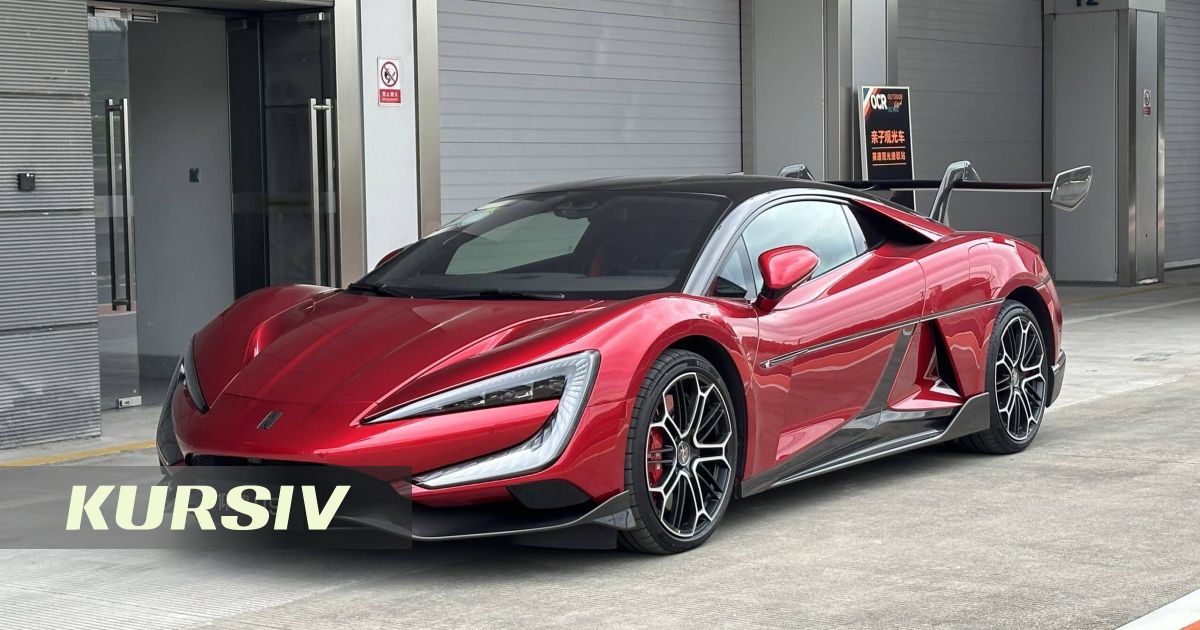
BYD’s Yangwang U9 Xtreme electric hypercar reached 503.17 km/h (312.65 mph) on a closed section of Sheikh Khalifa Bin Zayed International Road in Abu Dhabi on 1 November, with German racing driver Marc Basseng at the wheel. The Chinese manufacturer announced the result on 6 November, making it the first company to publicly report a production car exceeding 500 km/h.
Guinness World Records recognised the run with two titles: fastest production car and fastest electric production car. BYD said engineers adjusted tyre pressures, suspension settings and aerodynamic configuration ahead of the attempt to improve stability at extreme speed.
The U9 Xtreme draws nearly 3,000 horsepower from four electric motors capable of spinning at up to 30,000 rpm, running on a 1,200-volt electrical system paired with BYD’s high-performance Blade Battery. The company plans to build just 30 examples of the variant.
A record built on wreckage
The Abu Dhabi run came after a serious accident during earlier high-speed testing. BYD released footage of the crash in early November showing the car disintegrating on impact with a guardrail. The team had completed runs above 350 km/h and 420 km/h before the driver lost control during an attempt to exceed 450 km/h. The collision destroyed much of the vehicle’s front and rear sections, though its carbon-fibre passenger compartment remained intact. BYD said a subsequent hospital examination found no serious injuries to the driver.
Testing resumed with a second U9 Xtreme, which reached 457.89 km/h in a later run. The team then relocated to the United Arab Emirates for the record attempt that ultimately produced the 503.17 km/h figure.
One caveat on the record
The 503.17 km/h figure is a single-direction top speed, not a two-way average. The SSC Tuatara retains the separate verified two-way production car speed record, a distinction that matters under some record-keeping conventions. BYD’s Guinness recognition is specifically for the one-directional benchmark categories.