



Listen to the article
Spain defeated the Czech Republic 2–0 in their UEFA Nations League fixture in Zlín on Wednesday, with a penalty and a late goal in added time settling a match that the hosts made competitive for long stretches despite rarely threatening the Spanish goal.
Spain dominated possession from the outset but found the Czech defence difficult to break down in open play. The clearest early chance came from a corner, when Pau Cubarsí met the ball with a header that struck the crossbar. The breakthrough arrived through technology rather than open play: VAR detected a handball by Lukáš Ambros inside the Czech penalty area, and the referee pointed to the spot. Alex Baena converted on the 39th minute to give Spain a 1–0 lead at the break. Fabián Ruiz came close to doubling the advantage before half-time but also hit the woodwork.
Spain appeared to extend their lead early in the second half when Yeremy Pino put the ball in the net, but the goal was ruled out for offside after a VAR review. The Czech Republic then grew into the match, with David Zimá and Ladislav Krejčí both failing to find the target during a spell of pressure.
The contest shifted decisively on 73 minutes when Krejčí received a red card for stopping a Roberto Fernández attack, reducing the hosts to ten men. Spain pressed hard in the final quarter but were repeatedly denied by goalkeeper Matěj Kovář, who made several saves to keep the deficit at one.
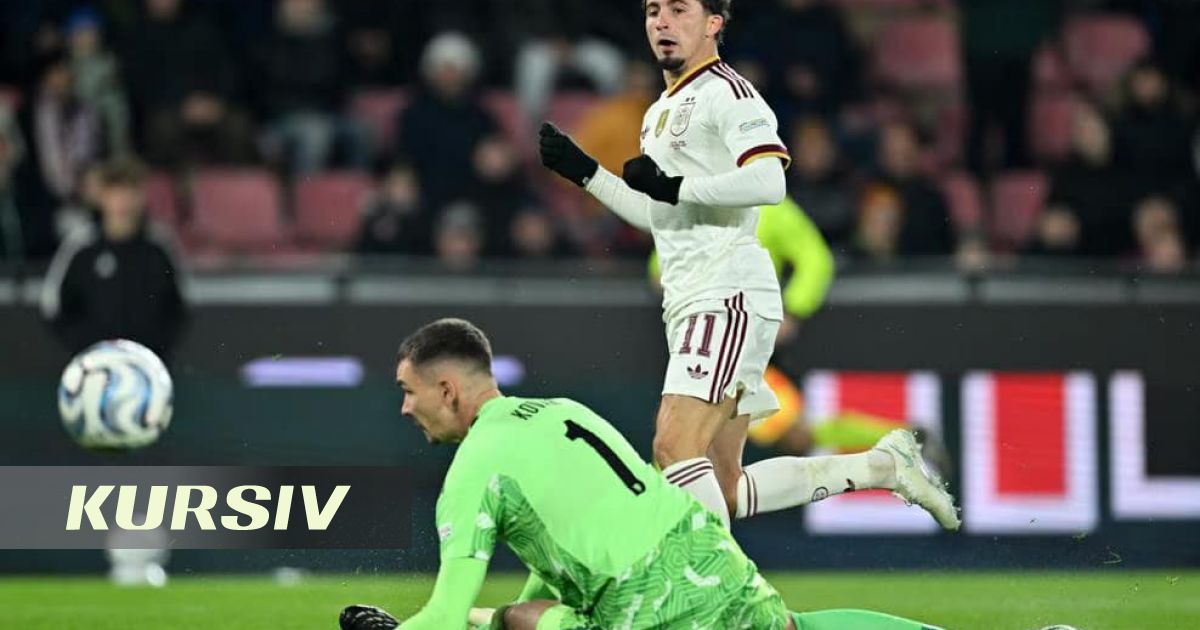
The second goal came in the sixth minute of stoppage time. Tomáš Vlček lost possession under pressure, and Marc Pubill intercepted to slot the ball into the bottom corner, confirming a 2–0 final score.
The result strengthens Spain’s position in their Nations League group. The Czech Republic, according to pre-match data cited in the match report, had not yet taken a point in the group heading into the fixture.