



Listen to the article
Uzbekistan’s automotive sector produced 310,389 passenger cars in the first eight months of 2026, up roughly 26,000 units — or about 9 percent — compared with the same period a year earlier, according to figures released by the National Statistics Committee.
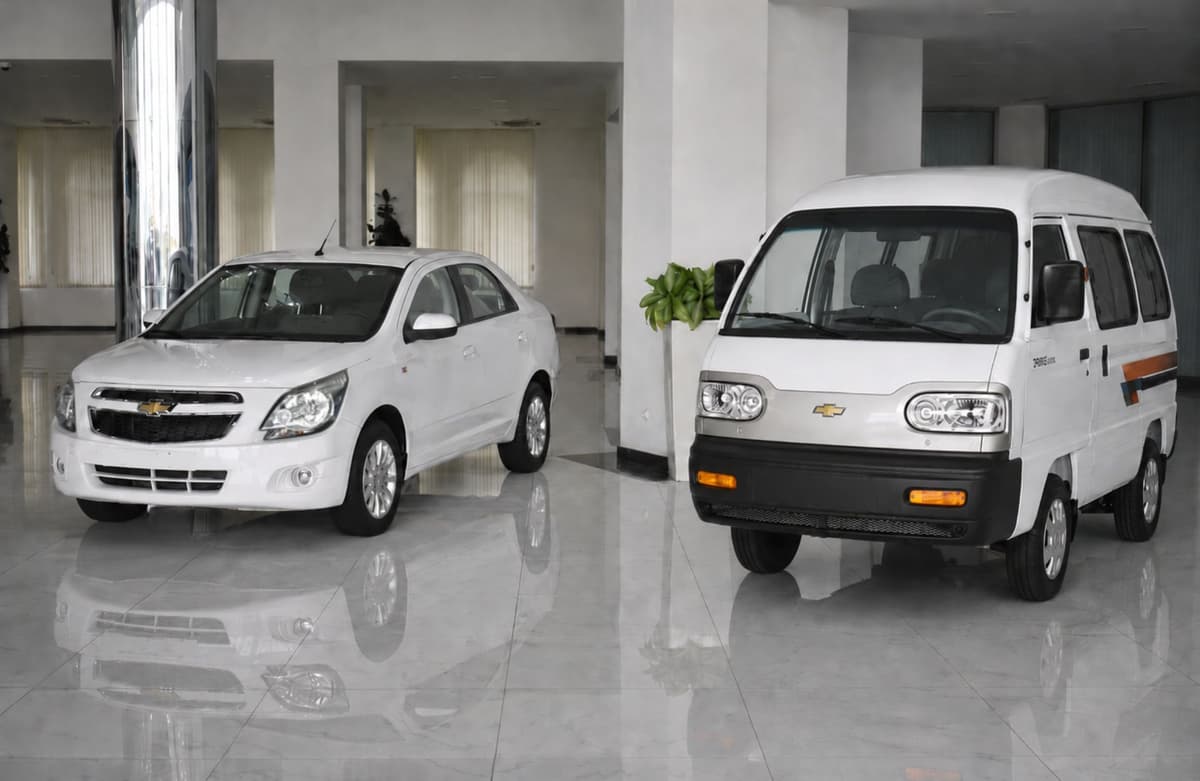
The Chevrolet Cobalt remained the country’s dominant model, with 107,141 units rolling off assembly lines during the period, accounting for more than a third of all passenger cars produced. The Damas ranked second at 55,022 vehicles, followed by the Tracker at 29,781.
Chinese brands featured prominently in the mid-tier of the production table. BYD vehicles accounted for 23,850 units, while Onix — the compact model assembled locally — contributed 23,498. KIA production reached 19,374 vehicles over the eight months.
Among other marques, Haval output stood at 6,227 units and Chery at 5,751. An additional 1,530 Chevrolet Damas Move vehicles were manufactured. The statistics also recorded 38,215 special-purpose passenger cars, a category that encompasses a range of modified or purpose-built configurations.
The figures reflect a manufacturing base that has diversified considerably in recent years, with South Korean and Chinese nameplates now sitting alongside the General Motors-derived models that have historically dominated local output. The Cobalt and Damas lines, both produced at the UzAuto Motors plant in Asaka, together accounted for roughly half of total production during the period.
The 9 percent year-on-year increase comes as Uzbekistan has been expanding automotive-sector infrastructure. A dedicated Engineering Valley focused on automotive and electronics technology is planned for Asaka, according to earlier government announcements, though the Statistics Committee data released this week cover production volumes only and do not address investment or capacity figures.