


Listen to the article
Tragic carbon monoxide poisonings are occurring with greater frequency as Uzbekistan’s heating season gets under way, and the country’s main gas distribution company is stepping up household inspections and public outreach in response. Abdusattor Qayumov, head of the Labour Protection, Ecological and Industrial Safety Department at Hududgaztaminot JSC, gave a detailed account of the risks and the remedies in an interview published on 10 November.
Qayumov identified unauthorised modifications to heating boilers as one of the primary hazards. Inspectors have found polyethylene pipes — which cannot withstand high temperatures — installed in flue systems of privately altered boilers, creating conditions for incomplete combustion and the silent accumulation of carbon monoxide. “Such cases have been recorded,” he said, noting that preventive inspections are now under way across Tashkent and all regions of the country.
What carbon monoxide does, and why it is so dangerous
Carbon monoxide forms when natural gas, coal, wood or other fuels burn incompletely, typically when there is insufficient air for combustion, when chimney draught weakens, or when ventilation channels are blocked. The gas is colourless, odourless and tasteless, making it undetectable by the senses. Once inhaled, it disrupts the blood’s ability to carry oxygen, producing headaches, dizziness, weakness, nausea and shortness of breath. Severe poisoning leads to loss of consciousness and can be fatal.
Qayumov urged residents to keep chimneys and ventilation ducts clear and in working order at all times, to have them inspected by qualified specialists before each heating season begins, and to install carbon monoxide detectors in their homes.
Gas cookers are not heaters
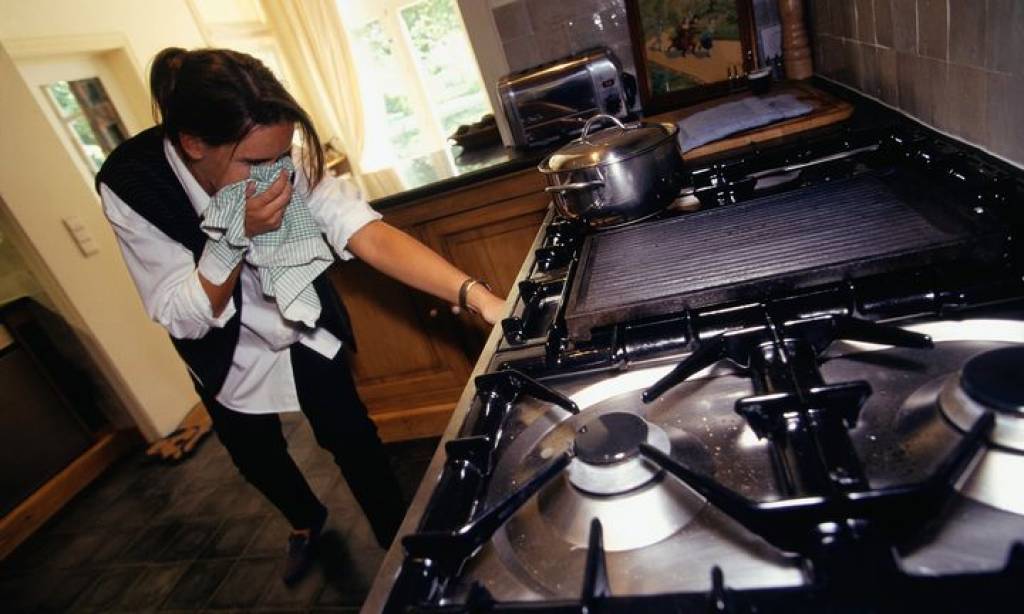
A recurring and dangerous practice is using gas cookers to heat rooms. Qayumov was unequivocal: cookers are designed solely for cooking. Using them for space heating depletes the oxygen needed for complete combustion and generates carbon monoxide. He also warned against extending gas pipes without authorisation, relocating appliances, tampering with internal components, or disabling safety automation — all of which can cause gas leaks, fires, explosions or poisoning.
Under a Cabinet of Ministers resolution dated 31 May 2024 on the rules for natural gas use, gas cookers in apartment buildings and residential properties must undergo a technical inspection once every two years; other gas appliances must be inspected annually on the consumer’s request. All such work must be carried out by organisations holding the relevant licence.
Outreach across all regions
Hududgaztaminot specialists are visiting homes across the country, checking the technical condition of gas appliances, chimneys and ventilation systems, and distributing safety guidance. Residents are being told to buy only certified equipment, and to entrust installation and repair exclusively to qualified professionals. “Our main goal is to build a culture of gas safety in every household and to raise citizens’ sense of personal responsibility in this area,” Qayumov said.
What to do in an emergency
If a gas smell is detected indoors, residents should not use open flames, and should not switch any electrical appliances on or off. If it is safe to do so, the gas valve should be closed, doors and windows opened to ventilate the space, and all occupants evacuated. Once outside, the gas emergency dispatch service should be called on 104.
If symptoms of carbon monoxide poisoning appear, the affected person must be moved immediately to fresh air and medical help summoned by calling 103 or 112. “In such situations, not wasting a single moment is critical,” Qayumov said. He closed with a reminder that gas appliances should never be left unattended while in use, and that gas safety is not only the responsibility of the relevant organisations — it is the personal responsibility of every citizen.