


Listen to the article
At least 66 soldiers have been sentenced to death by a military court in the Democratic Republic of Congo after being convicted of cowardice, mutiny and refusing to obey orders, according to local media reports. The verdicts follow a trial of 71 soldiers before the court in Walikale, a town in North Kivu province in the country’s volatile east. Four soldiers were acquitted and one received a ten-year prison term.
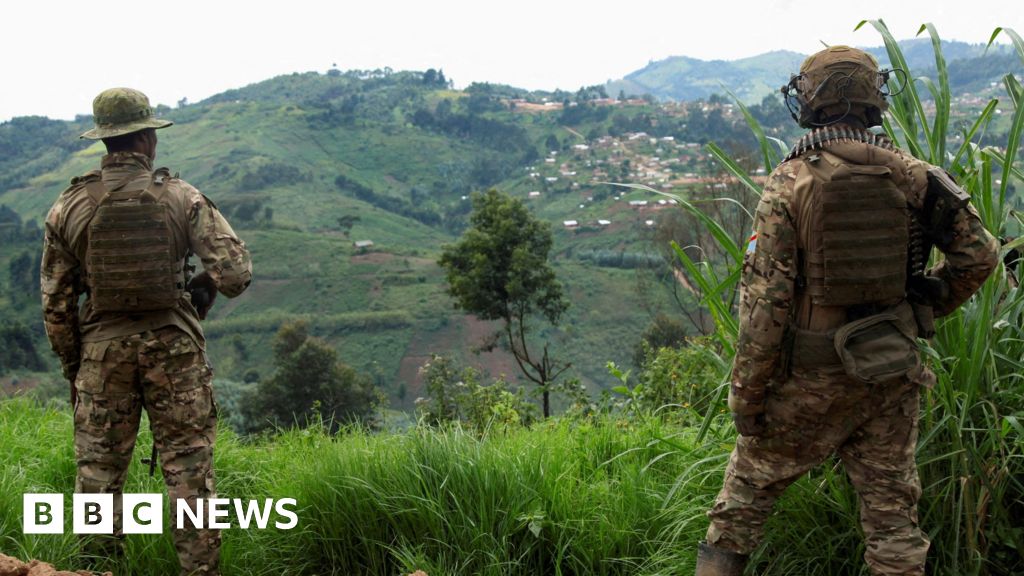
The Congolese army said the proceedings were intended to strengthen discipline among troops engaged in ongoing combat against armed groups in eastern DR Congo. The soldiers were reportedly arrested on 20 October after abandoning their positions and fleeing during clashes with fighters from the Front for the Refoundation of the Nation, known by its French acronym FRN — a rebel coalition that includes the M23 group.
The sentences are the latest in a series of mass military convictions since Kinshasa reinstated the death penalty in March 2024, lifting a moratorium that had been in place for two decades. The government cited the need to remove what it described as “traitors” within the armed forces, and said capital punishment would also apply to individuals involved in armed groups, insurrection, treason and war crimes. Rights organisations widely criticised the decision. No formal executions have been carried out since the moratorium was lifted.
The scale of the sentencing campaign has been significant. Since the start of 2025, at least 507 soldiers have been convicted, including 381 death sentences, according to figures compiled by French broadcaster RFI. Last month, a separate group of 27 soldiers was sentenced to death on similar charges of cowardice after reportedly withdrawing from the frontline during rebel clashes.
A military struggling with discipline and resources
The Congolese army’s campaign against armed groups in the east has long been undermined by poor discipline and disorganisation. Soldiers have complained of inadequate pay and equipment, and the force has faced persistent criticism over its lack of professionalism. The government has repeatedly accused neighbouring Rwanda of backing the M23, an allegation denied by both Kigali and the rebels, despite what the BBC describes as overwhelming evidence to the contrary.
Eastern DR Congo has endured decades of conflict. Fighting continues between government forces and the FRN, whose leadership has taken on a notable political dimension: former Congolese President Joseph Kabila was sentenced to death in absentia in October 2025 on charges including war crimes and treason. Kabila denied the accusations and did not appear in court. He has since been identified as the FRN’s leader.
Whether the mass death sentences will translate into actual executions — or serve primarily as a deterrent signal to troops — remains unclear. The government has not announced any scheduled executions, and the pattern since March 2024 has been one of convictions without implementation.