


Listen to the article
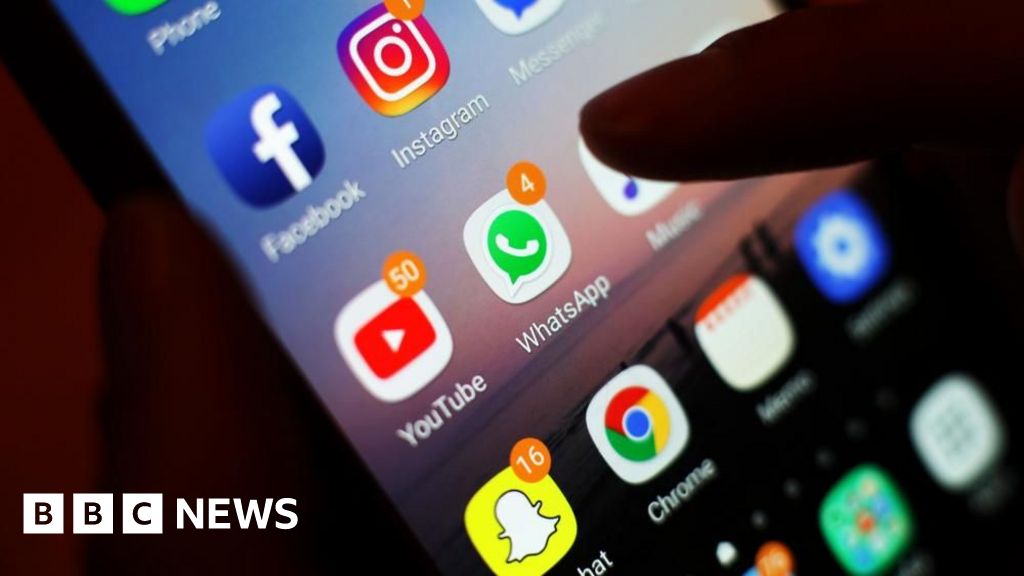
Gabon has lifted a ban on social media that had been in place for eight months, the country’s High Communication Authority (HAC) announced in a televised statement on Saturday.
The ban was introduced on 17 February, with the HAC arguing at the time that online content was fuelling conflict and deepening divisions in the central African nation of roughly 2.5 million people. Platforms including Facebook, TikTok, YouTube and Instagram were blocked, cutting off services that had been widely used by younger Gabonese for both commerce and daily communication. Many users turned to virtual private networks to circumvent the restrictions.
The reversal comes after sustained criticism. The opposition had condemned the suspension as an abuse of power, and the move drew widespread condemnation when it was first imposed. The BBC said it had approached the country’s media regulator for further comment.
Context: strikes, elections and a post-coup president
The ban was imposed at a moment of acute political pressure on President Brice Oligui Nguema, who was facing a wave of social unrest less than a year after his election. Teachers and civil servants had staged strikes over what they described as low pay and poor working conditions, and the government appeared to view social media as an accelerant to that discontent.
Nguema won last year’s elections with more than 90 percent of the vote, two years after his coup ended more than five decades of rule by the Bongo family. At the time of taking power he pledged to reform Gabon, a small, oil- and timber-rich country where digital blackouts had also been used by previous governments to control the flow of information.
The lifting of the ban marks a notable reversal for an administration that had presented the restrictions as a necessary measure for public order. No explanation was given in the HAC’s televised statement for the timing of the decision.