


Listen to the article
A man who admitted attempting to assassinate the mayor of Ganja has launched a hunger strike in protest at the convictions of nine co-defendants he insists had nothing to do with the attack, his lawyer said after a hearing at the Baku Court of Appeal on 26 January.
The convict, Yunis Safarov, told the court he had stopped eating three days before the hearing. His lawyer, Bakhtiyar Hajiyev, confirmed the hunger strike to the Turan news agency and said Safarov had acted because of what he described as “unfair court rulings” against people who were not involved in the assassination attempt.
Safarov has acknowledged that he attacked Elmar Valiyev, then mayor of Ganja — Azerbaijan’s second-largest city — in 2018. At his sentencing hearing in August 2021 he said he had been driven to act by Valiyev’s “cruelty against Ganja residents” and by the central government’s indifference to the many complaints he had submitted. Valiyev survived the attack and now reportedly lives in Baku.
A conviction he partly contests
While Safarov does not dispute his role in the attack itself, he is appealing more than 30 additional charges, including terrorism, creating an armed group, drug possession and attempting to overthrow Azerbaijan’s constitutional order. Hajiyev challenged the factual basis of several of those charges at the appeal hearing.
“The truth is that Safarov had looked for a weapon for some time to carry out the plot, and didn’t find one. Then he attacked a police officer, took his gun and committed the crime,” Hajiyev said. He also disputed findings that Safarov and the others had possessed weapons and formed an “organised criminal unit” before the attack, and contested a ruling that Safarov had intended to kill multiple people. “He wanted to kill only one,” the lawyer said.
Hajiyev added that Safarov’s health was poor and expressed hope that his client would “stop the hunger strike soon.” The next scheduled hearing in the case was set for 9 February.
A case that has never been fully explained
The 2018 attack set off a chain of events whose full circumstances remain unresolved. After Safarov struck, the government swiftly accused him of belonging to an Islamist conspiracy organised from abroad. About a week later, a small group of his supporters staged a demonstration; two police officers were reported killed. Authorities subsequently detained more than 70 suspects, and at least 10 of those individuals died.
Nine men were convicted alongside Safarov and sentenced to between 18 and 20 years in prison. They and their lawyers were present at the 26 January appeal hearing and continue to maintain their innocence on all charges, including terrorism. Many others received shorter sentences; only ten of those originally detained were released.
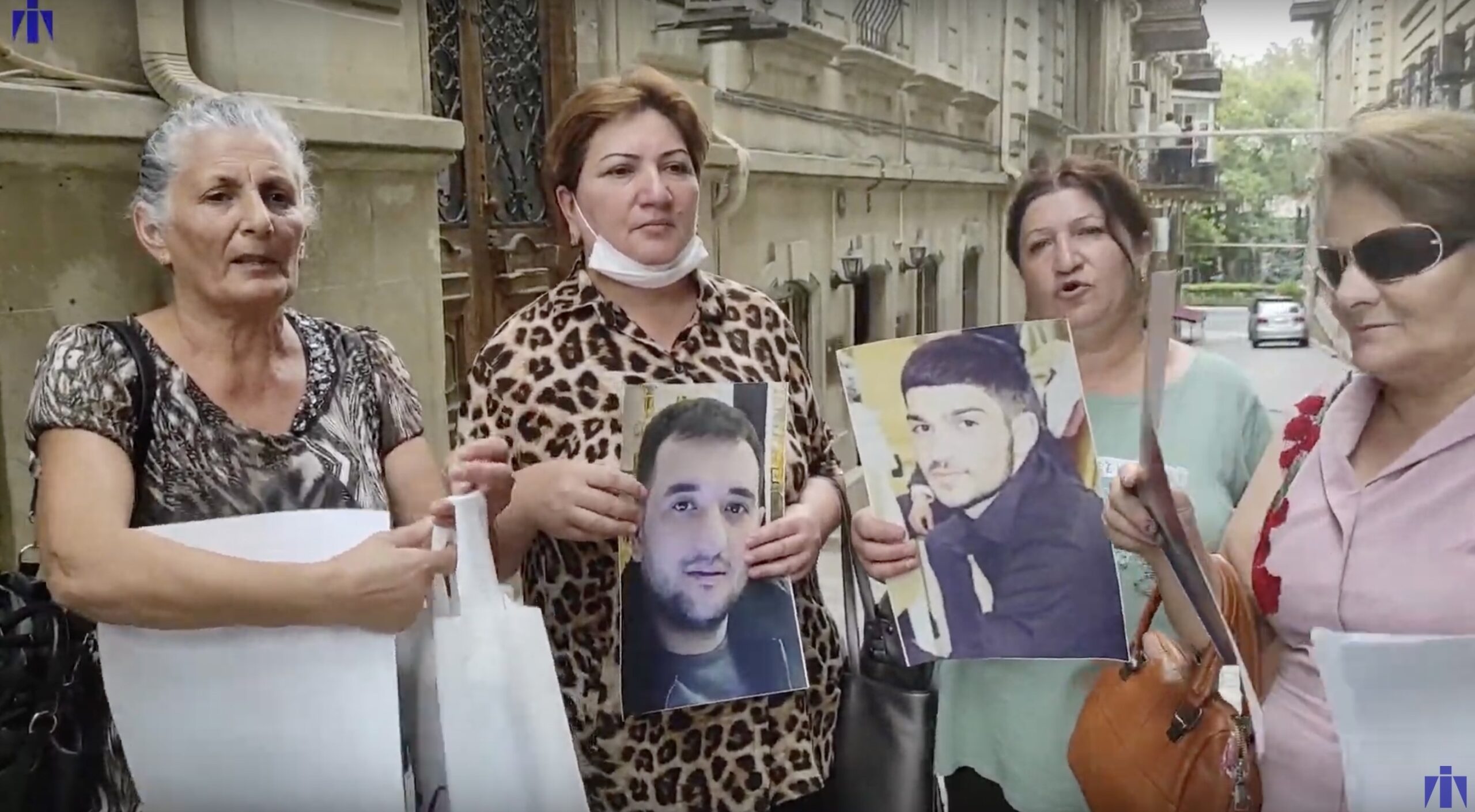
The ongoing appeals have shed little new light on what actually motivated the attack or on the extent of any wider network, leaving relatives of the convicted men to press their case through protests — including a demonstration outside the Presidential Administration building in Baku in August 2021 — as the legal proceedings continue.