



Listen to the article
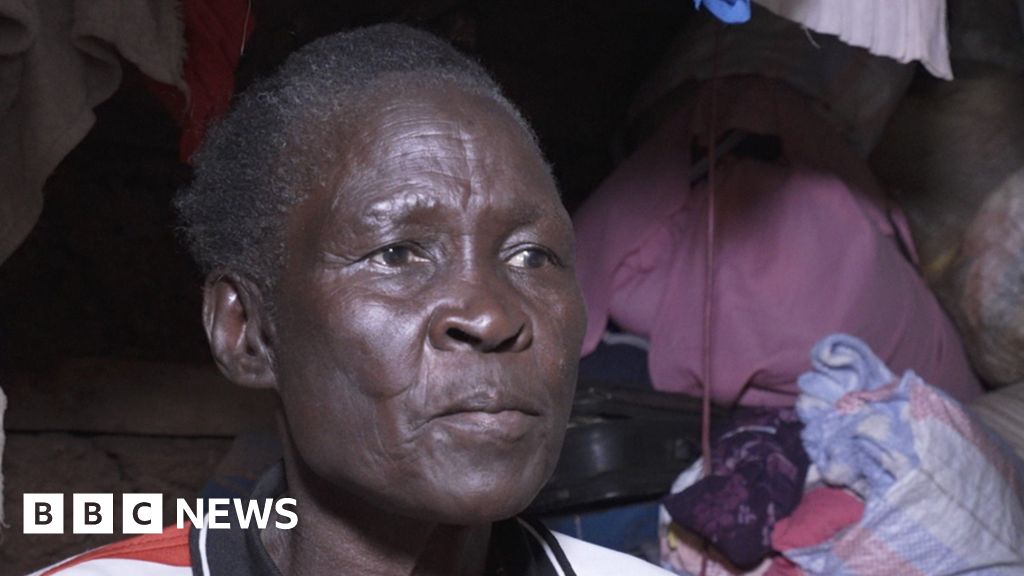
Agnes Shikoli points to a mark halfway up the corrugated iron wall of her home in Kibera, one of Nairobi’s largest informal settlements. “It flooded up to here in March,” she tells the BBC. The broken television in the corner, still waterlogged from the long rainy season earlier this year, is one reminder of what the floods left behind. A photograph of her sister Beatrice Khalayi, 58, who died of electrocution when her house flooded during those rains, is kept out of sight. “When I see a picture of her, I feel uneasy,” Shikoli says.
Khalayi was among more than 60 people who lost their lives across Kenya during that earlier flooding. Now, with the short rainy season beginning and forecasters warning of an even more severe event ahead, Shikoli says she is afraid. “I feel like it can kill us. These houses aren’t made of stone. They can fall on us, or the water can drown us.”
A forecast that echoes 1997
The Intergovernmental Authority on Development issued a regional forecast in September warning of an “81% probability of a very strong El Niño during October–December 2026.” Weather forecaster Jemima Gacheru told the BBC that sea-surface temperature conditions in the Indian Ocean now closely resemble those recorded during the 1997–1998 El Niño, which caused widespread flooding and destruction across Somalia and Kenya. “For this season we have a very strong El Niño already in play in the Pacific and then we have a positive Indian Ocean dipole,” Gacheru said, referring to the difference in sea-surface temperatures across opposite parts of the Indian Ocean — a pattern sometimes called the “Indian Niño.” “We expect to have some enhanced rainfall over several parts of the country.”
Kenya’s meteorological department warns that November is typically the peak rainfall month of the short rainy season, which normally runs from October to December. So far the heaviest predicted rains have not materialised, but experts say they remain concerned.
Drains untouched for years
Outside Shikoli’s house, workers in high-visibility vests are shovelling rubbish from the bed of the Ngong river, which runs through Kibera’s densely populated streets. The programme, called Climate Worx and operating under the office of President William Ruto, is aimed at rehabilitating Nairobi’s rivers. Such work intensified from August onward as warnings about El Niño’s potential scale grew louder. Similar efforts to unclog drainage systems are under way across the city, which is built on hilly ground crossed by three major rivers.
Bramwell Simiyu, Nairobi County’s disaster management chief, told the BBC that drainage systems had been “untouched for many years.” He said the existing infrastructure was designed three decades ago for a population of about 2.5 million, but the city now holds roughly seven million people during the day and 5.5 million at night. Upgrading the sewerage and drainage network entirely would require investment of up to $192 million, he said, with little indication that either the national government or the city council can raise that sum.
Blocked drains and inadequate sewage systems were widely blamed for the high death toll during the floods earlier this year, as excess rainfall had nowhere to escape. Floods disproportionately affect informal settlements near rivers, particularly Kibera and Mathare, where houses sit just metres from the water and some residents, including Shikoli, live on the riverbanks themselves.
Up to 100,000 at risk
“Our worst case scenario looking at low-income settlements is that up to about 100,000 people are at risk,” Simiyu said. “Moderate projections is about 5,000 households or about 20,000 people may be at risk.” Anyone forced to evacuate will be directed to 167 designated holding grounds where relief food and supplies are being stockpiled, he added.
The UN’s International Organization for Migration has warned that almost 900,000 people could be displaced in Kenya this year, mostly because of the predicted floods. The Nairobi River Basin Regeneration programme, a government initiative to restore the city’s rivers, has recommended buffer zones along riverbanks and the “humane relocation” of communities where necessary — but rising poverty has continued to push people toward the water’s edge.
Regional stakes
Kenya is not alone in its exposure. In neighbouring Somalia, the country’s disaster management agency has warned that 1.2 million people are at risk of displacement from extreme weather, including both floods and drought. The 1997–1998 floods killed 2,000 people in Somalia and forced 250,000 to flee, according to the Food and Agriculture Organisation, with up to 80% of crops destroyed in some areas. The UN’s famine warning system IPC has flagged increased food insecurity risk in Somalia linked to El Niño’s disruption of supply chains. Elsewhere on the continent, forecasters warn the phenomenon could bring extreme heat and prolonged drought to parts of West Africa’s Sahel region and to southern Africa, raising the risk of crop failure.
Back in Kibera, Shikoli has been told by council officials to leave her home on the riverbank until the rainy season passes. She earns about $2 a day selling groundnuts and fruit from a stall beside the river. “I want to move,” she says. “But I don’t have the means. We just have to persevere and leave it to God.”