


Listen to the article
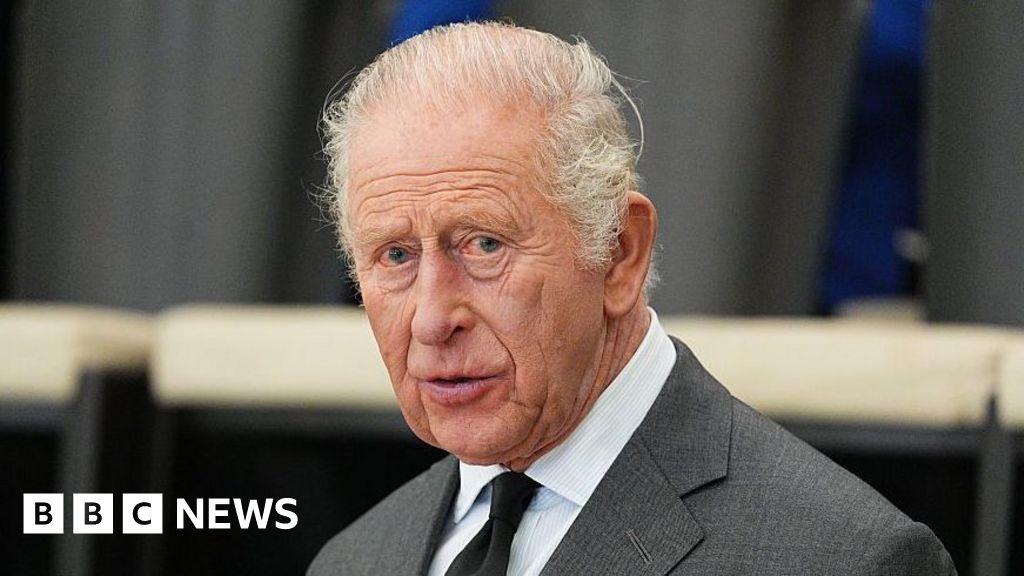
King Charles III departed for the Caribbean on Tuesday on a nine-day tour that will take him through the Bahamas, Guyana and Antigua and Barbuda — a schedule of roughly 36 engagements that places him squarely at the centre of one of the most charged debates in the Commonwealth: whether Britain owes reparations for its role in the transatlantic slave trade.
The visit culminates in Antigua and Barbuda, where the Commonwealth Heads of Government Meeting (Chogm) is being held. The King is expected to deliver three significant speeches during the trip. A senior royal aide said he would “not shy away from the darkest days of our past,” but made clear that decisions on apologies and reparations remain matters for government. The current Burnham administration, like its predecessors, will not pay reparations, and the King will follow that official advice.
Buckingham Palace has said that acknowledging the wrongs of the past will be built into the programme across all three countries, but that formulation is unlikely to satisfy campaigners. Protests are expected, and security preparations have accounted for that possibility. Those who worked on the planning regard demonstrations as part of the open democratic culture of the region rather than as a threat to the tour itself.
Historian calls it the ‘biggest risk of his reign’
Author and historian Sir Anthony Seldon offered a blunt assessment. “This is the biggest risk of his reign so far with so much just outside of his control,” he said. “Questions about slavery, reparations and apologies mean the moral integrity of the monarchy is being questioned.” He also drew a comparison with the King’s earlier visit to the United States, saying Charles had “pulled off an extraordinary triumph with President Trump” and suggesting that similar deftness on this trip “could be an enormous success.”
The leaders of all three host countries have voiced support for reparatory justice. In Antigua and Barbuda and the Bahamas, where Charles is head of state, republican sentiment commands significant public support. Elected officials in Antigua and Barbuda no longer swear allegiance to the monarch, ending a 40-year tradition.
Memories of 2022 still linger
Planning teams will have had the 2022 Caribbean tour by the then Duke and Duchess of Cambridge firmly in mind. That visit drew criticism over imagery — photographs of William and Catherine reaching through a wire fence to touch the hands of Jamaican children were widely described as clumsy — and protests forced the cancellation of part of the schedule. Buckingham Palace has said everything has been done to avoid similar missteps this time.
Former Foreign Secretary David Lammy, whose father came to Britain from what was then British Guiana and who has relatives in Antigua and Barbuda, has accompanied the King on previous overseas trips. He offered a measured prediction. “Knowing Guyana, Antigua and Barbuda as well as I do, he will be overwhelmingly received positively,” Lammy said. “But these are lively democracies in which of course there will be some dissent.” He also noted the symbolic weight of a state visit for a small country: “The validation of a state visit is huge.”
A crowded backdrop at home
The tour arrives against a backdrop of domestic royal turbulence. The return of the Duke and Duchess of Sussex to the United Kingdom has generated sustained media attention that the Royal Family has found, according to the BBC’s reporting, unsettling and at times irritating. The King and his youngest son have not met in person, though they are said to have spoken. Earl Spencer’s memoir, Swan Song, criticising the King’s response to the death of Diana, Princess of Wales, prompted a strong rebuttal from the Palace. And allegations involving Meghan’s father, Thomas Markle, have drawn the Duchess of Sussex into what the BBC describes as a complex matter involving global police forces and sexual abuse claims.
An impactful Caribbean tour would offer the King an opportunity to redirect attention, though royal aides acknowledge that stories running hot at home can make it difficult to focus public interest on engagements more than 6,400 kilometres away.
Health and schedule
The pace is demanding for a monarch approaching his 78th birthday who continues to receive treatment for cancer. Buckingham Palace has reiterated that he is on a “positive trajectory.” Queen Camilla, who will turn 80 next July, will join only the Antigua and Barbuda leg of the visit for Chogm and a number of other engagements, including work around literacy and efforts to end violence against women and girls. The Palace has indicated she finds the pace and heat of some royal tours gruelling.
The host governments are expected to welcome the King warmly, with their leaders pointing to his record on rainforest protection, cultural ties and cooperation on trade, energy and agriculture. Whether that goodwill can coexist with the reparations debate — and whether the King’s carefully calibrated language will be seen as sufficient — will define how the tour is remembered.