



Listen to the article
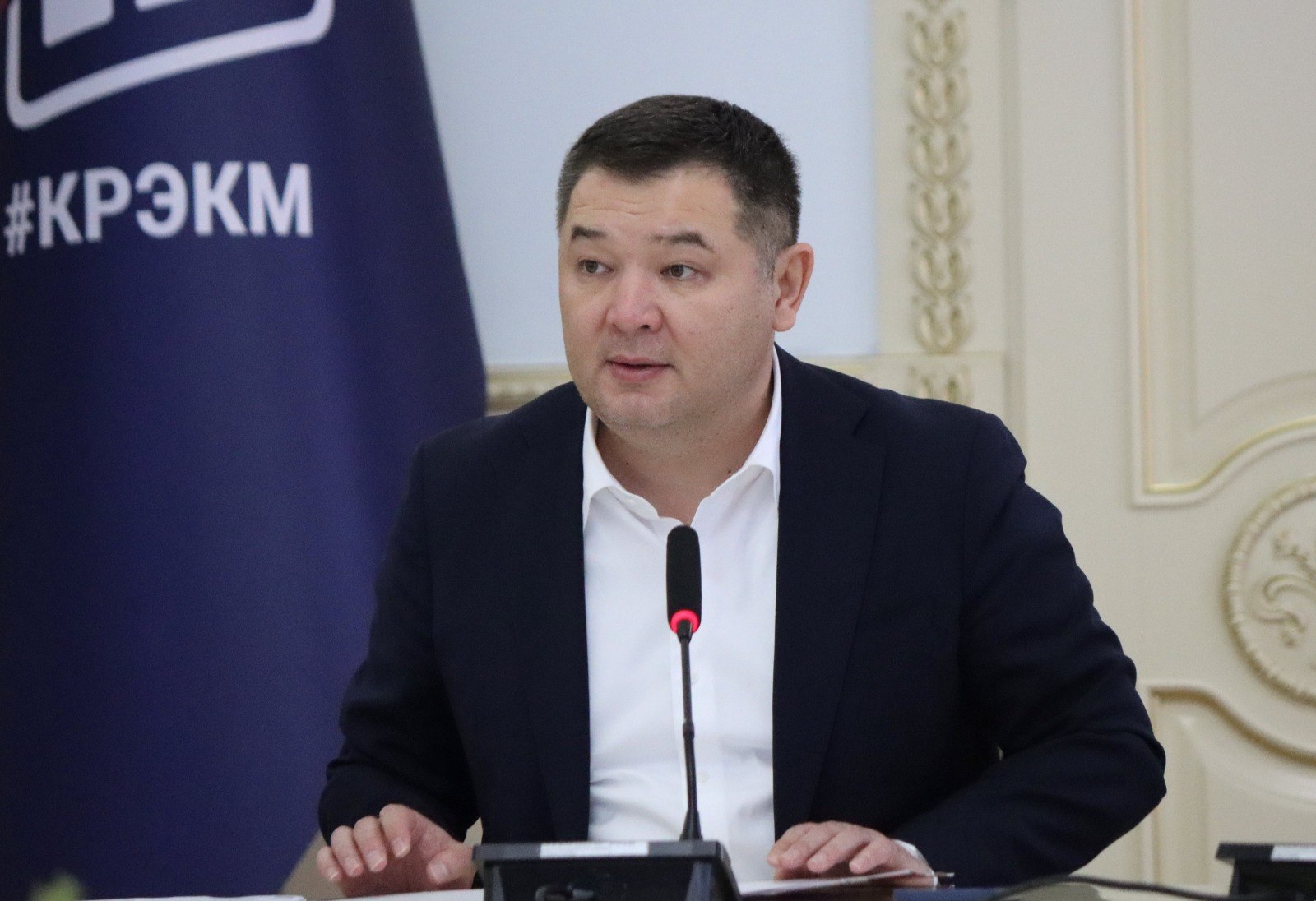
Fifty-two companies have ceased operations and another 57 are being compulsorily liquidated in Kyrgyzstan as Bishkek moves to demonstrate it is not a conduit for circumventing Western sanctions against Russia. State-owned banks have closed more than 240 accounts, Economy and Commerce Minister Bakyt Sydykov disclosed on October 27, citing figures current as of October 20.
Sydykov, who also serves as the president’s special representative on sanctions policy, identified two instruments at the centre of Western regulators’ concerns: the A7 payment network and A7A5, a cryptocurrency pegged to the value of the Russian ruble. The U.S. Treasury sanctioned A7 and a Kyrgyz company involved in issuing A7A5 in August 2025. On October 1, 2026, the Treasury went further, accusing A7 of disguising sanctioned transactions as legitimate commercial payments. The European Union, for its part, included a Kyrgyz bank and cryptocurrency operators in transaction bans under its 21st sanctions package against Russia, adopted in July 2026.
The financial regulator has revoked the licences of several market participants linked to A7, and the government has approved the liquidation of several organisations connected to the network. Sydykov was careful to note, however, that the overall figures for company and account closures are not confined to entities tied to A7 or A7A5. He did not name the affected companies, specify how many were suspected of sanctions evasion, or say when the closures began — gaps that make it difficult to assess the full scope of the action.
Banking and Crypto Under Review
The National Bank of the Kyrgyz Republic is working with commercial banks to tighten customer identification procedures, including scrutiny of the individuals who ultimately own or control client companies. Particular attention is being directed at transfers routed through intermediaries and affiliated entities, and at transactions that do not match a customer’s stated business activities.
At a separate briefing on October 21, Sydykov said 25 more companies were under active review and that international consulting firm Kroll had been engaged to assess the country’s sanctions compliance systems.
Separate measures are being prepared for the cryptocurrency sector. The National Agency for Virtual Assets and Blockchain Technologies is drafting a presidential decree that would require market participants to be screened against United Nations, EU, UK, and U.S. sanctions lists and would allow transactions to be restricted where legal grounds exist. Authorities are also developing a unified digital licensing platform for cryptocurrency firms, incorporating automated applicant screening and tools to monitor transactions and analyse cryptocurrency wallets.
The Stakes for Kyrgyz Business
Sydykov framed the crackdown in explicitly economic terms, arguing that failure to act would jeopardise Kyrgyz companies’ and citizens’ access to international payment systems, investment, and capital markets. He urged entrepreneurs to verify the identity of counterparties and their ultimate beneficial owners before entering into transactions.
“Our position is unequivocal: the territory, jurisdiction, and banking and payment infrastructure of the Kyrgyz Republic must not be used for transactions intended to circumvent sanctions,” the minister said, pledging continued cooperation with the EU, the United Kingdom, and the United States.