



Listen to the article
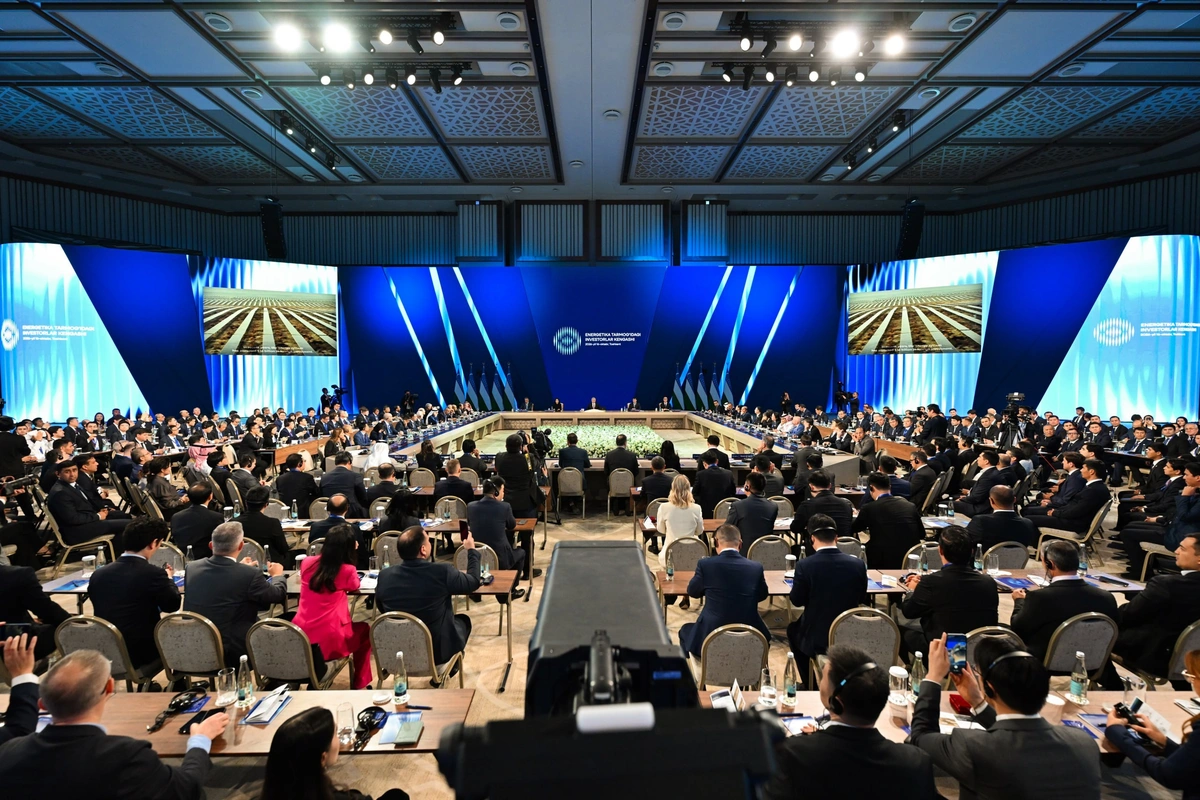
President Shavkat Mirziyoyev has signed six major agreements for energy projects worth a combined $4.7 billion, while announcing that reducing losses in the electricity transmission network will become a primary investment priority for the sector. The announcements came during an open dialogue with fuel and energy sector investors, according to presidential press secretary Sherzod Asadov.
The six agreements provide for the creation of 3 gigawatts of new generating capacity and 400 megawatts of energy storage. No details were disclosed on the identities of the companies or partner countries involved in the deals.
Mirziyoyev framed the grid modernisation push as a natural evolution of the sector’s development. Having built substantial new generation capacity in recent years, the government now regards improving the reliability of electricity supply and cutting transmission losses as equally important objectives. The president said that alongside launching new facilities, reducing grid losses would be a priority task at the current stage.
A Decade of Investment and Expanding Renewables
The president cited the sector’s trajectory since 2016 as the foundation for the new phase of development. Since that year, the energy industry has attracted $35 billion in investment, with more than ten countries participating as partners. The combined installed capacity of solar, wind and hydroelectric plants has reached 11.1 GW, and renewables now account for 31% of total electricity generation. Per capita electricity production has grown by 28% over the same period, reaching 2,300 kWh.
The scale of the renewable build-out reflects a broader structural shift in the country’s energy mix. The 31% share of green generation represents a significant change from the gas-dominated system that characterised the sector a decade ago, though the evidence does not specify the baseline figure for comparison.
Targets for 2030
The government has set a target of adding 22,000 MW of new capacity by 2030. If achieved, annual electricity generation would rise to 129 billion kWh, with 54% of that total supplied by renewable sources. The target implies a substantial acceleration of both conventional and green energy construction over the next four years.
Regulatory Framework and Competitive Rules
Mirziyoyev also referenced a recently signed presidential decree that he said clearly delineates the responsibilities of the state and private business in the fuel and energy sector. He described the operating principles for the current phase as open competition, transparent rules and precise fulfilment of agreed conditions. The decree was not published in full in the available reporting, and no further details of its provisions were disclosed.
The emphasis on transparent competitive rules comes as the government continues to attract foreign capital into a sector that has historically been dominated by state enterprises. The president’s framing of the new regulatory environment as a guarantee to investors signals that the terms of private participation are intended to be stable and enforceable, though the mechanisms for oversight were not elaborated upon at the dialogue.