



Listen to the article
A visually impaired resident of Karakul district, Bukhara region, successfully identified and refused a bribe demand of 10 million soums linked to a land subsidy application after consulting a newly produced audio guide on anti-corruption legislation — a direct outcome of a legal literacy project run by the local branch of the Blind Society of Uzbekistan.
The resident had been preparing to apply for a land subsidy auction valued at 32 million soums when an intermediary approached him with an offer: pay 10 million soums in cash upfront and they would secure the grant on his behalf. Uncertain whether the arrangement was legal, he turned to the Karakul District Branch of the Blind Society, whose staff directed him to the project’s new audio materials on applicable anti-corruption law. After listening, he concluded the demand constituted a bribe and that the law entitled him to the subsidy without any side payment. He confronted the individual directly, rejected the offer, and made clear he would not be deceived.
A Guidebook Built for Those Who Cannot Read Print
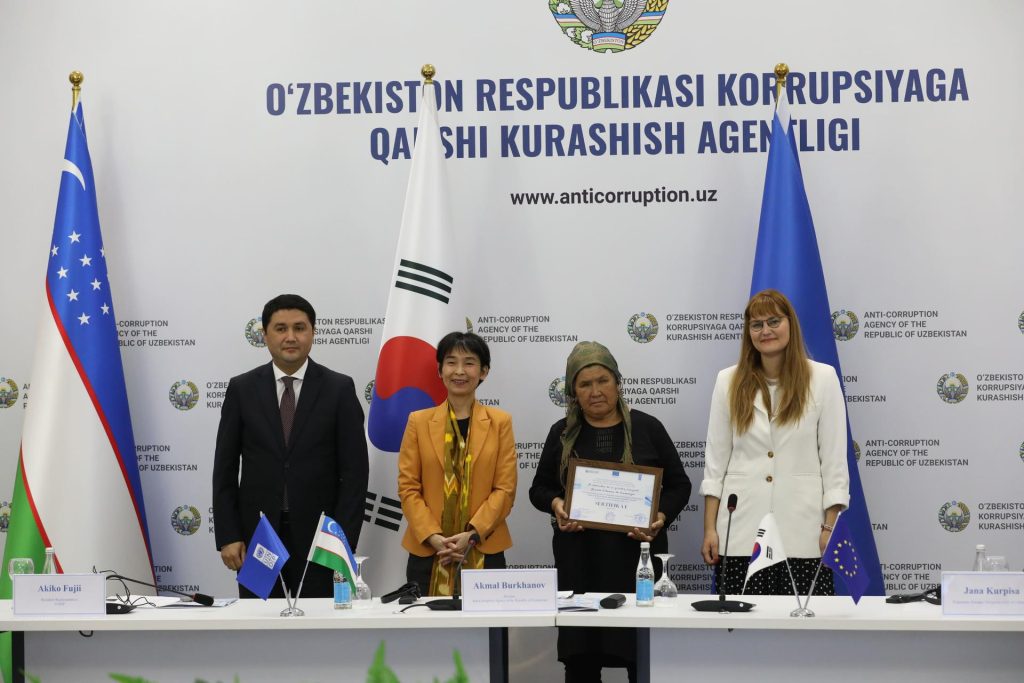
The audio guide the resident used was produced under a project titled Preventing Corruption by Improving the Legal Culture of Persons with Visual Impairment, launched in 2024 by the Karakul District Branch of the Blind Society of Uzbekistan. The branch received its first international grant through a call for proposals jointly organised by UNDP Uzbekistan and the Anti-Corruption Agency of Uzbekistan, financed by the European Union.
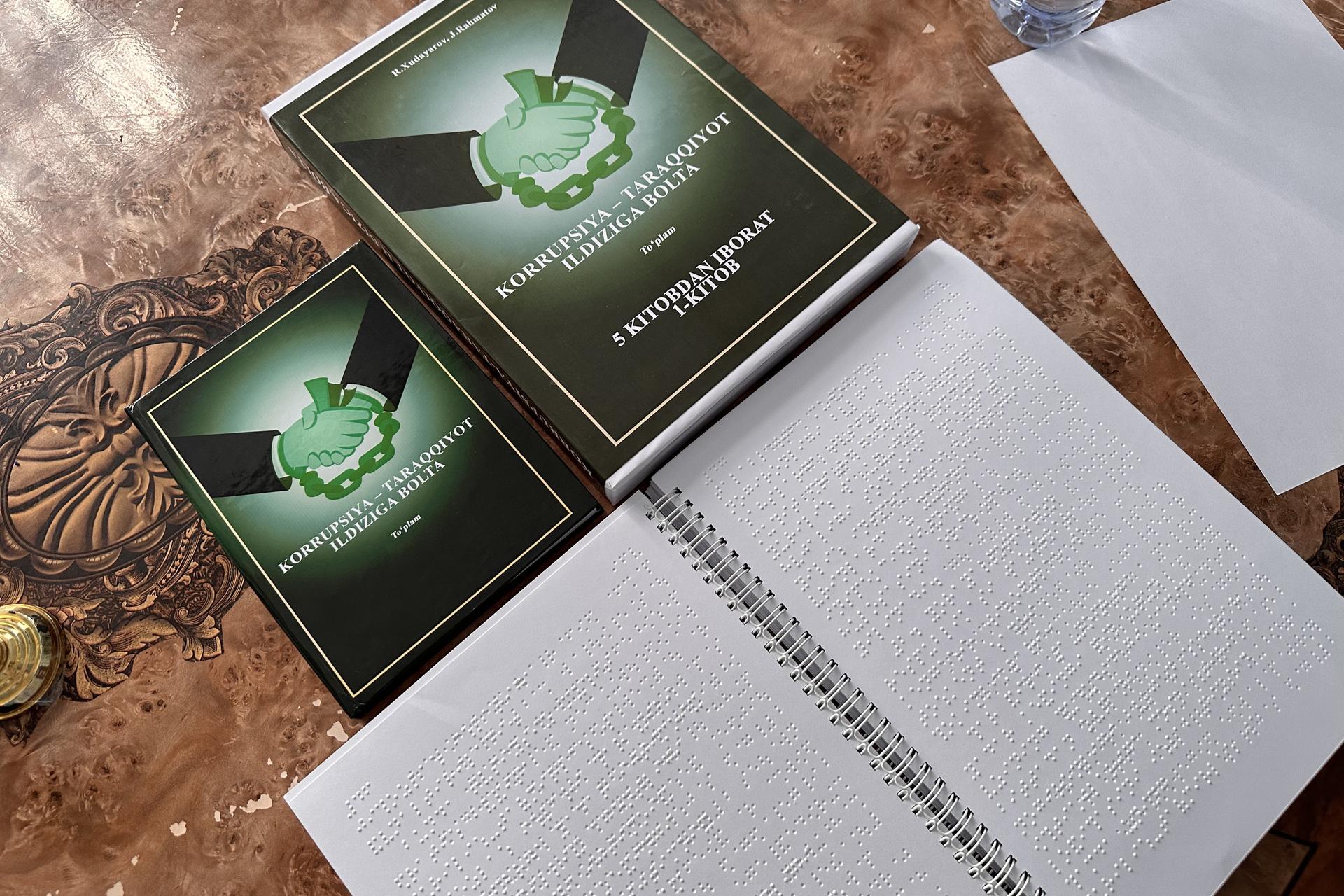
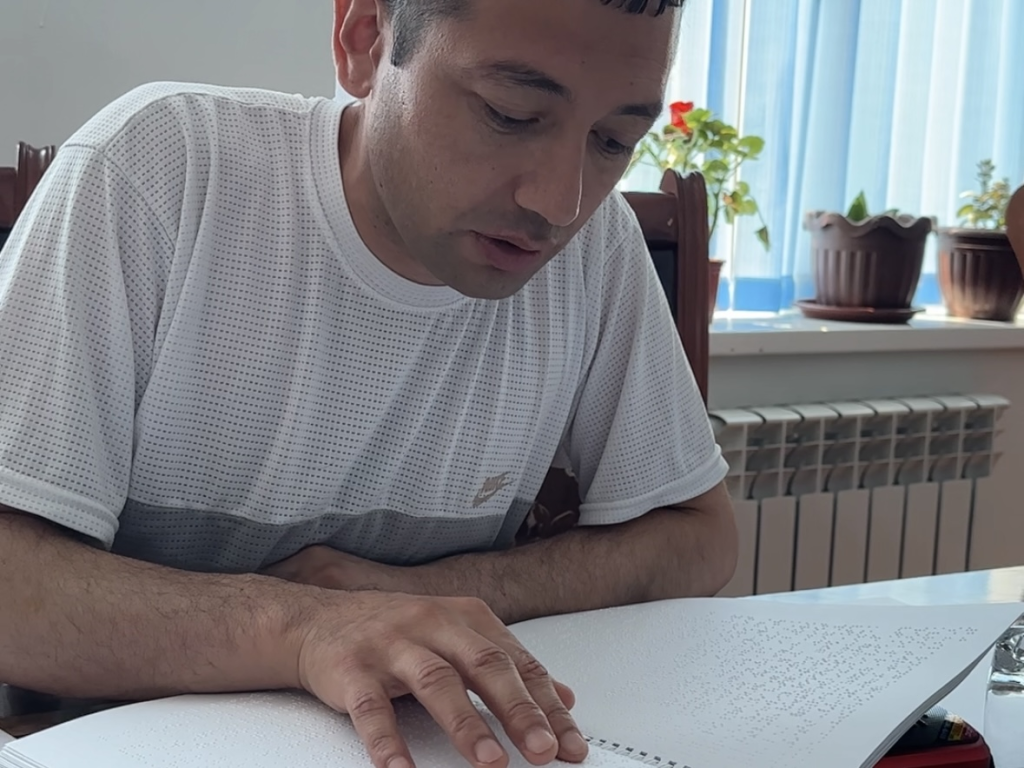
The project team distilled content from 20 key legal documents on anti-corruption into a single guidebook titled Corruption – An Axe to the Root of Development. Recognising that many community members cannot access printed text or Braille, the team recorded audio versions and loaded them onto portable radio speakers for distribution within the Karakul community. Braille copies were also produced and placed in the branch’s local library for on-site reading.
To extend reach beyond Karakul, the recordings were uploaded to multiple Telegram channels serving blind and visually impaired communities across Uzbekistan, including the Press Service of the Blind Society of Uzbekistan, district libraries for the blind in Khujaobod and Urganch, the Blind Society of Mangit City in the Republic of Karakalpakstan, and a national group for the blind. In total, the materials reached more than 40,000 people, many of whom, according to the project, encountered a clear explanation of their legal rights for the first time.
Nineteen Years of Advocacy in a Remote District
The project was driven by Kholtoji Jumayeva, who has led the Karakul branch of the Blind Society for 19 years and has worked with the organisation for more than five decades. Her central argument — that blind persons in remote areas face a compounded disadvantage because legal information has never been made accessible to them — shaped the project’s design from the outset. The Karakul branch currently supports more than 300 members through literacy programmes, skills development, legal aid, and employment assistance, while reaching larger audiences through digital platforms and community events.
Jumayeva described the financial dimension of corruption as the most pressing concern for her community. In her account, the project’s value lies precisely in equipping people to recognise when a payment is being demanded illegally and to refuse it with confidence.
Training Sessions and Broader Reach
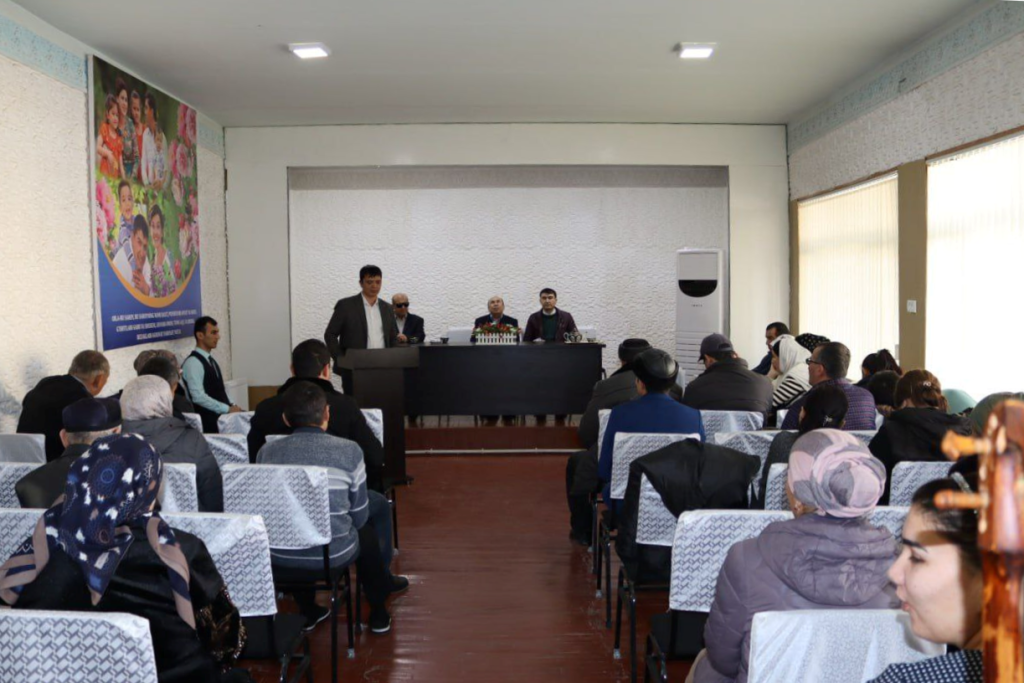
Beyond the distributed materials, the project organised three in-person training sessions attended by more than 100 participants, and one large online session that reached over 1,000 blind persons across the country. Participants asked questions about the forms and consequences of corruption, challenged assumptions about their entitlements, and shared what they had learned with others in their villages. For many, it was described as the first occasion on which they understood they had a legal right to refuse corrupt demands.
A monitoring visit by representatives of UNDP and the EU Delegation took place on 16 May 2025, according to documentation accompanying the project record.
Part of a Wider EU-Funded Initiative
The Karakul grant was one of eight low-value grants awarded in 2024 under the joint project Strengthening the National Anti-Corruption Ecosystem in Uzbekistan, run by the Anti-Corruption Agency of Uzbekistan and UNDP and funded by the European Union. The eight recipient civil society organisations operate across Bukhara, Fergana, and Tashkent regions; seven of the eight are women-led. Each targets corruption in a distinct sector, ranging from healthcare and social inclusion to environmental rights and digital access.