



Listen to the article
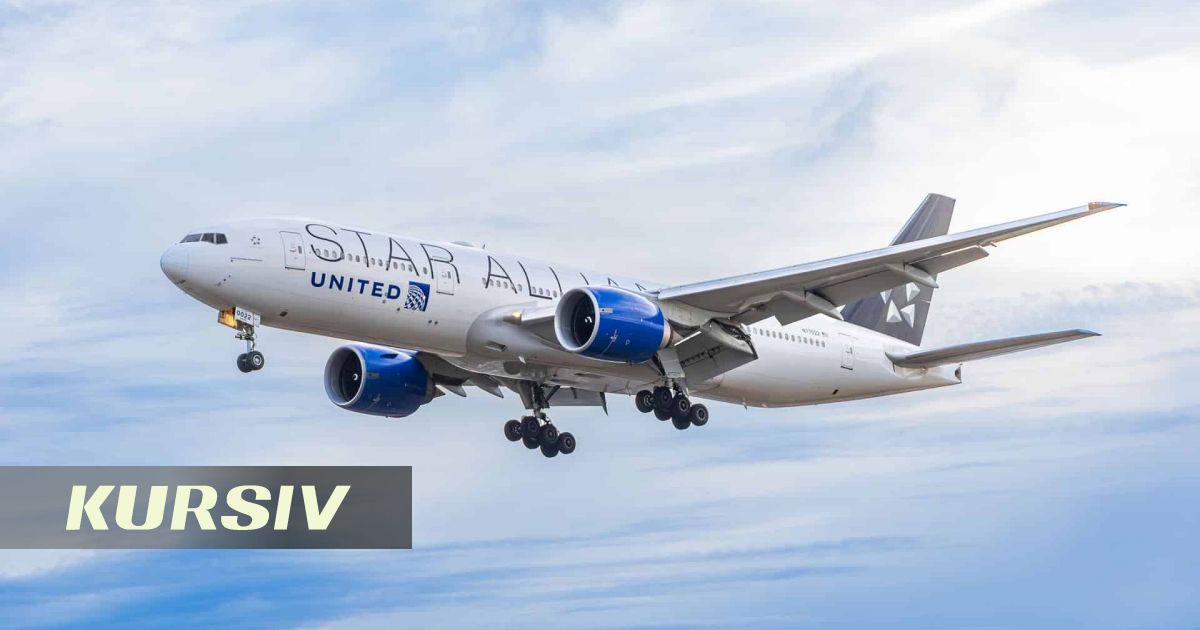
United Airlines has sent its top network planning executive to Uzbekistan and Kazakhstan to explore potential routes, but the carrier’s chief executive says direct flights cannot happen until access to Russian airspace is restored.
Speaking on the Cheeky Pint podcast, published on 27 October, United CEO Scott Kirby said Patrick Quayle — the executive responsible for building out the airline’s network — visited both countries in 2025. Kirby framed the scouting trip as part of United’s broader strategy of identifying markets beyond conventional tourist destinations, citing its service to Nuuk, Greenland, as a precedent for unconventional routes that have paid off.
The geography, however, is a hard constraint. “We can’t fly there today because we can’t fly over Russia,” Kirby said, before adding: “This could work down the road.” The comment reflects a wider industry problem: without Russian overflight rights, any transatlantic or transpacific routing to Central Asia adds significant distance and flight time, squeezing the economics of long-haul service.
Air Astana pressing ahead despite the same hurdle
United is not alone in confronting the problem. Air Astana chief executive Ibrahim Canliel told aviation outlet AeroTime that the Kazakh flag carrier remains on course to launch US flights in the second half of 2027, initially serving New York twice weekly. To make the routing work without Russian airspace, Air Astana plans to carry a reduced payload — limiting the combined weight of passengers, baggage and cargo — and accept a longer flight time. Canliel acknowledged that access to Russian airspace would shorten the journey by roughly two hours and remove the payload restriction entirely.
Tashkent already has a New York connection
Were United to confirm service, it would enter a market that already has transatlantic coverage. Uzbekistan Airways connects Tashkent with New York and has announced plans to increase frequencies from April 2027. Private Uzbek carrier Qanot Sharq also launched a New York service earlier this year.
United already carries passengers bound for Kazakhstan through a codeshare arrangement with Lufthansa, Kirby noted, meaning the airline has an indirect commercial presence in the market even without its own metal flying the route.
Entry requirements have also become more straightforward for potential American travellers. Since 1 January 2026, US citizens have been able to visit Uzbekistan without a visa for stays of up to 30 days, according to the Uzbek Tourism Committee — a change that could support demand projections if United eventually moves from scouting to scheduling.
For now, Kirby’s remarks amount to an expression of interest rather than a commitment. The timing of any service would depend on a geopolitical shift that neither United nor any other Western carrier controls.