



Listen to the article
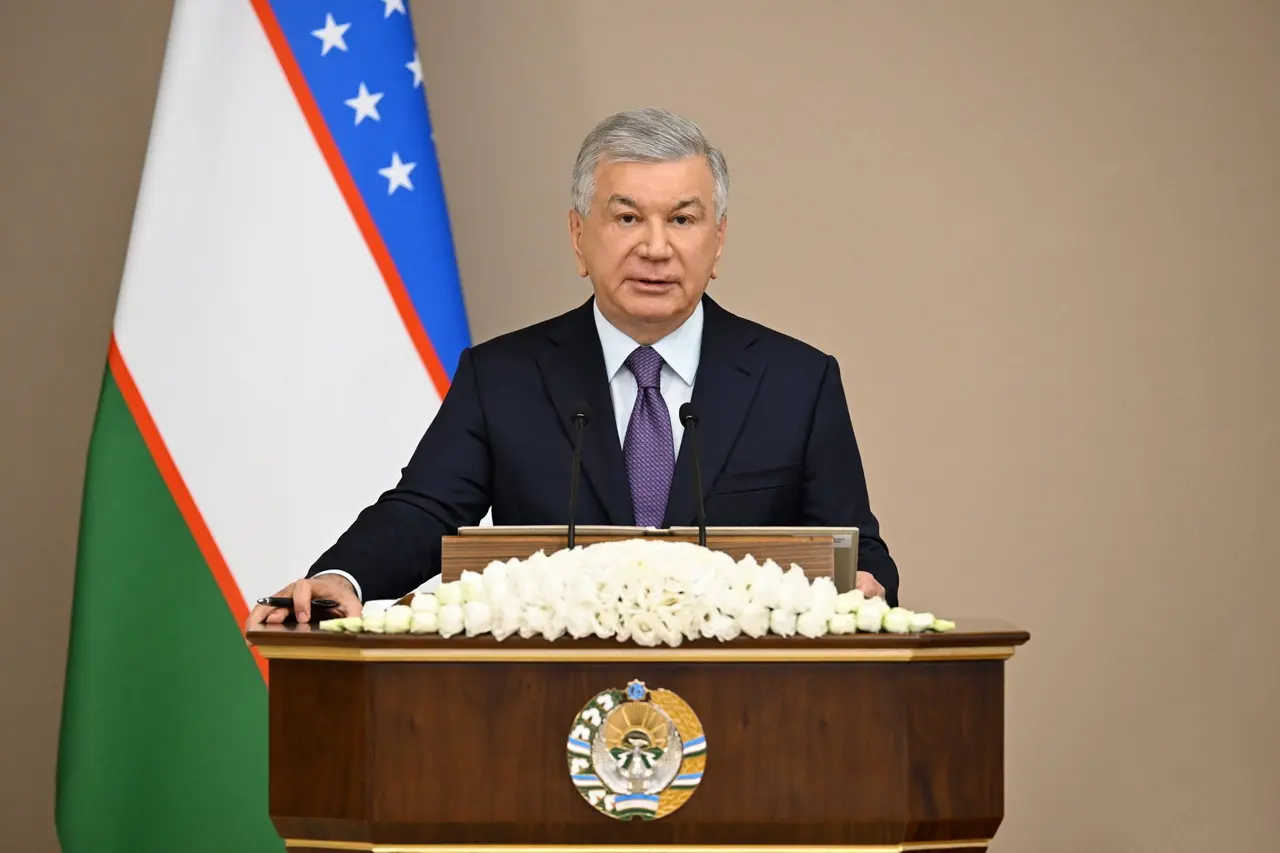
Private employment agencies are set to take over responsibility for sending Uzbek citizens to work abroad from 2027, under a sweeping reform announced by President Shavkat Mirziyoyev at a government meeting on labour migration held on 2 November.
The centrepiece of the plan is a direct financial incentive: agencies will receive 1.5 million soums for each worker they successfully place in a high-paying overseas job. The payment is designed to reward quality placements rather than volume, with performance to be measured against a formal rating system assessing actual job placements, whether positions match advertised conditions, salary levels, protection of migrants’ rights and the provision of social guarantees.
A Sector That Has Grown Fast — and Unevenly
Mirziyoyev noted that the number of licensed private employment agencies had tripled over the past two years after licensing requirements were simplified, and that the number of citizens finding overseas work through those agencies had risen fivefold over the same period. Yet the president also acknowledged that rapid growth has not come without cost: he cited persistent problems including intermediary errors, corruption and cases of jobseekers being deceived — problems that a separate law on regulating private employment agencies was previously adopted to address.
To build the sector’s capacity, agencies are to be offered free premises inside technical college buildings, where they would be expected to run training in in-demand professions and foreign languages. A reduced social tax rate of 1 percent is proposed for payments to teachers and foreign experts brought in to deliver that training, and equipment used for training purposes is expected to be exempt from customs duties. Classifying agency activities as social services would also allow for simplified taxation more broadly.
One Month to Draft the Rules
Mirziyoyev instructed the relevant authorities to prepare a draft resolution within one month setting out the reformed framework for private employment agencies. Significant questions remain open: the specific division of responsibilities between private agencies and the state Migration Agency once the transfer of functions takes effect has not yet been clarified, leaving the precise role of the public body in the new architecture undefined.
The reform represents a significant shift in how Uzbekistan manages one of its most economically important labour flows, moving the state from direct operator to regulator and quality-assurer — provided the rating system and incentive structure deliver the accountability the president is seeking.