



Listen to the article
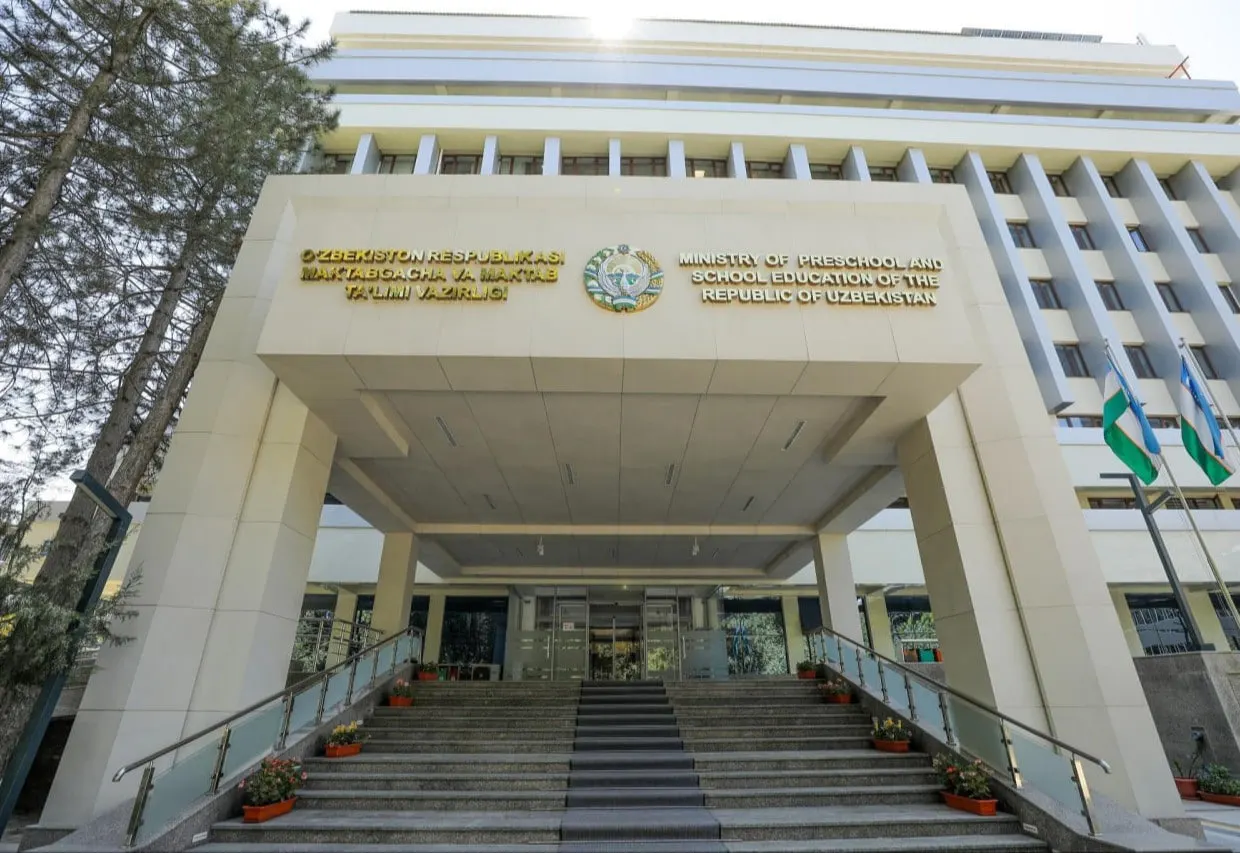
A group of teachers at Uzbekistan’s skills-development centres were dismissed following attestation procedures grounded in a ministerial order that was never registered with the state and never officially published. The order — approved by the Minister of Preschool and School Education on 17 October 2024 as Decree No. 336 — set out the criteria, procedures and consequences of performance assessments for instructors across the country’s mahorat (skills) centres. Two years of litigation produced no court willing to examine whether the document was lawful. The case has now reached the Constitutional Court.
The core procedural trap is described in a complaint filed with the Constitutional Court: two different court systems reached contradictory conclusions about the same document. Civil courts accepted the unregistered order as a valid legal basis for dismissal. Administrative courts, meanwhile, refused to review it at all, classifying it as something other than a normative act and therefore outside their jurisdiction. The result was that the order was simultaneously enforceable and immune from judicial scrutiny.
A Closed Loop
The complaint argues that the order plainly qualifies as a normative document under Article 17 of Uzbekistan’s Law on Normative-Legal Acts, which defines such instruments as those regulating social relations — precisely what an order governing the assessment and employment status of teachers across an entire professional category does. Under Resolution No. 469, cited by the Supreme Court itself in a response dated 18 September 2026, a document touching citizens’ rights cannot enter into legal force without state registration. The Supreme Court acknowledged that principle but drew no practical conclusion from it.
The complaint frames this as a self-sealing violation: the Ministry’s failure to register the order — itself the alleged breach — became the courts’ stated reason for declining to examine the order. The document was applied, workers were dismissed, and no tribunal assessed its validity on the merits. Article 18 of the same law requires that any ambiguity between a citizen and a state body be resolved in the citizen’s favour; in this case, the complaint states, every ambiguity was resolved the other way.
What the Constitutional Court Is Being Asked to Decide
Because constitutional complaints in Uzbekistan may only challenge the interpretation of statutory norms as applied in a specific case — not a ministerial order directly — the petition targets the practical meaning courts have given to Articles 27 and 30 of the Code of Administrative Court Procedure. As applied, those provisions have been read to mean that if a ministry fails to register a document, that document cannot be challenged in court. The complaint contends this reading violates Article 55 of the Constitution, which guarantees judicial protection, and Article 19, which guarantees equality before the law. Judicial protection, the complaint argues, cannot be made contingent on whether a state body has fulfilled its own registration obligations.
The petition also challenges the interpretation of Article 161 of the Labour Code, under which — as applied in this case — a worker’s unsuitability for a position can be established through an assessment based on an unpublished document. The complaint holds this incompatible with Article 42 of the Constitution, which protects the right to work, and cites a Supreme Court Plenum resolution of 23 June 2023 (No. 16) that itself emphasised official publication as a mandatory precondition for applying any document that affects citizens’ rights.
The Constitutional Court is asked to declare both interpretations unconstitutional, clarify the constitutionally compliant meaning of the norms, and order the reopening of the court decisions already issued in the case.
The broader implication spelled out in the complaint is systemic: if any ministry can apply an unregistered order and courts will not review it precisely because it is unregistered, any agency can place itself beyond judicial oversight by the simple act of omitting a registration step. The mahorat centre order applies to teachers across the entire country. A ruling from the Constitutional Court would determine not just the fate of the dismissed instructors but the procedural route — and the forum — available to any citizen seeking to challenge a departmental document that was never made public.