



Listen to the article
Uzbekistan’s Chamber of Accounts has completed a nationwide round of public sessions presenting the results of its external audit of 2024 local budget execution, holding discussions in every region of the country between May and June 2025.
The audit covered the budgets of the Republic of Karakalpakstan, all provincial administrations and the city of Tashkent, as required under the Law on the Chamber of Accounts and the Budget Code. Presidential Decree No. PF-100 further mandated that the Chamber’s conclusions on local budget execution be debated at sessions of the Jokargy Kenes of Karakalpakstan and the regional and district Kengashes — the people’s deputy councils — with Chamber officials present to answer questions.
A Region-by-Region Reckoning
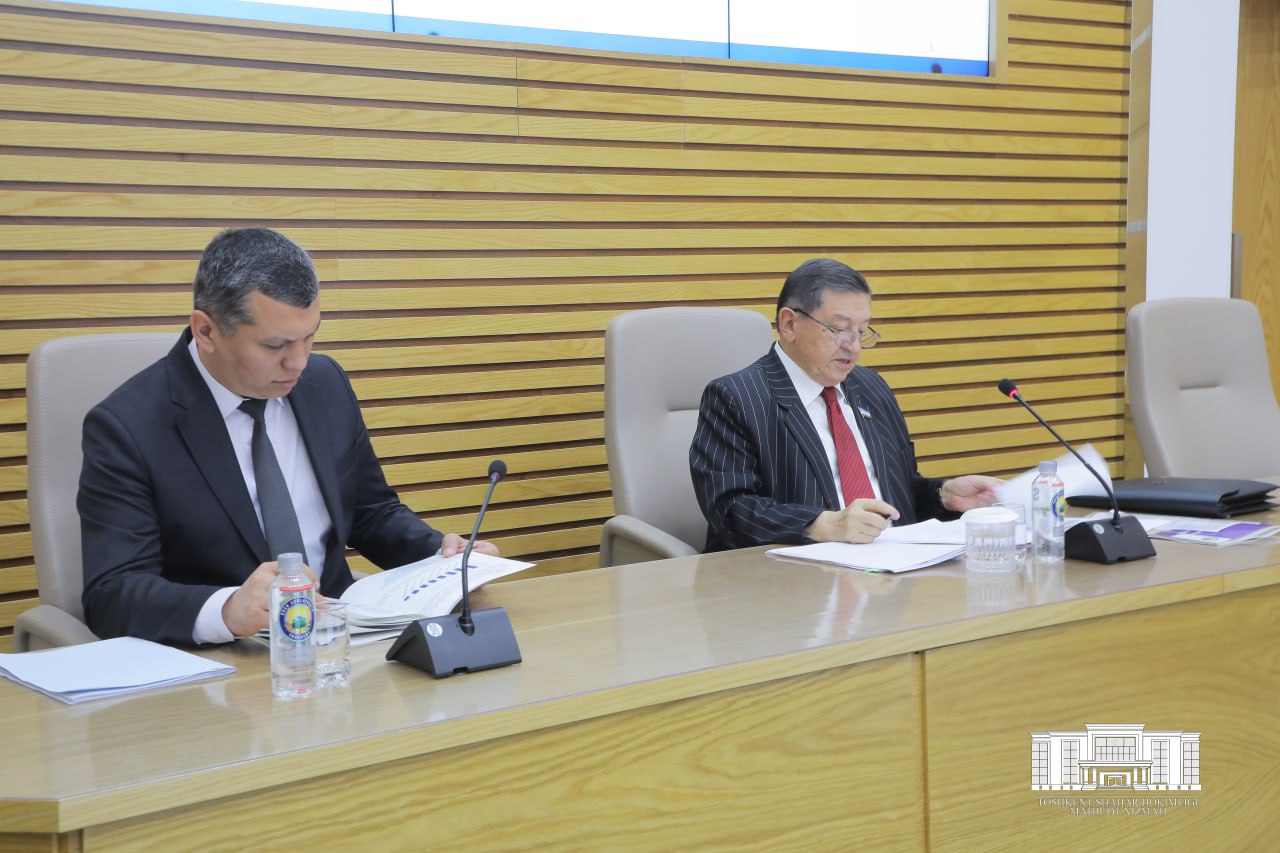
The Andijan regional Kengash held its session on 29 May 2025, followed the next day by the thirteenth session of the Samarkand regional Kengash. Between 30 May and 12 June, Chamber officials also appeared before the councils of Jizzakh and Qashqadarya provinces and the Tashkent city council. The sessions were described as open discussions with an exchange of views, and decisions were adopted on each item raised.
During the discussions, participants noted that errors and shortcomings identified in the course of local budget execution, together with the Chamber’s proposals and recommendations for remedying them, had been incorporated into the external audit report. The open format was itself significant: under the presidential decree, first-level budget administrators are required from 2025 onwards to report to the relevant Kengashes on funds allocated to their regions from the state budget and state targeted funds.
Tighter Oversight of Transfers From the Centre
The sessions also addressed a broader accountability mechanism. By placing council oversight over the use of funds flowing to local budgets from the state budget, state targeted funds and international financial institutions, the authorities aim to ensure that money is spent rationally, for its intended purposes and efficiently — and to raise transparency in the process. The Chamber’s role in these sessions formalises a link between the national audit body and local legislative bodies that had previously been less structured.
The completion of the regional tour marks the first full cycle of such mandatory public audit discussions under the new presidential decree, setting a precedent for how local budget accountability will be conducted in subsequent years.