



Listen to the article
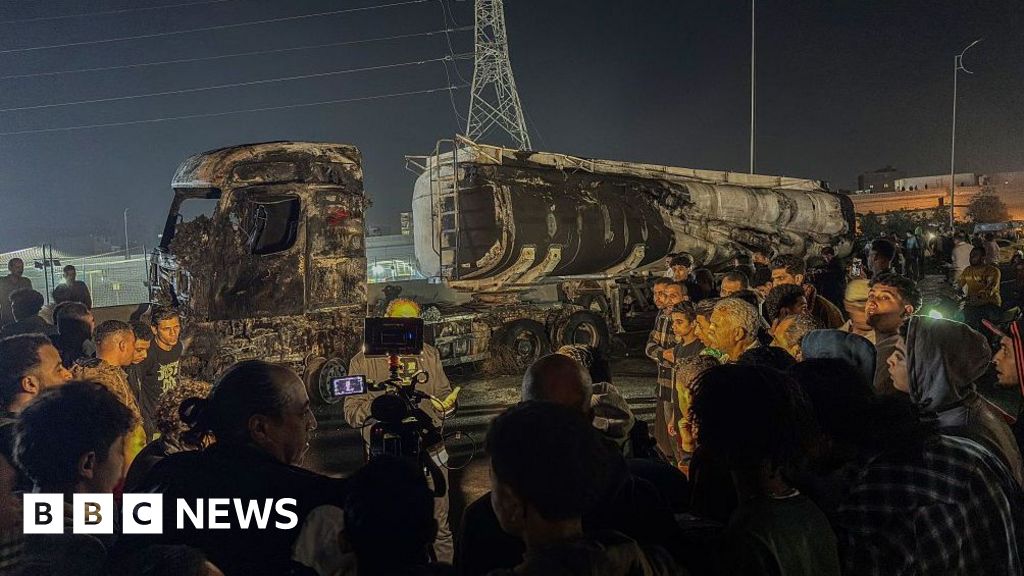
Thirty-one people were killed and 21 others injured on Wednesday evening when a fuel tanker crashed and caught fire on a busy ring road in Cairo’s Warraq neighbourhood, north of the old city centre, Egypt’s health ministry said.
The tanker, which belonged to a private contractor, was travelling along the highway when a high-voltage cable fell in front of it, causing the driver to lose control, state-owned newspaper Al-Ahram reported, citing sources with knowledge of the investigation. The vehicle crossed the central reservation, overturned and ignited, dousing nearby vehicles with petrol and setting off a large blaze.
Hospitals in the area treated patients for burns and smoke inhalation. The health ministry said 39 ambulances were dispatched to the scene, and posted images of Egypt’s health minister overseeing treatment of the injured at one of Cairo’s hospitals. Unverified footage circulating on social media showed billowing flames and thick black smoke rising high into the night sky, with multiple vehicles burning alongside the tanker.
The regional public prosecutor has opened an investigation and ordered DNA samples to be taken from the bodies of the dead, reflecting the severity of the casualties and the difficulty of identification after the fire.
Emergency responders subsequently cleared the highway and it was reopened to traffic, state broadcaster NMA reported. A bulldozer was seen at the scene removing burnt-out vehicle wrecks. Images from after the fire was extinguished showed a large crowd gathered on the highway as emergency services blocked off entry routes.
Egypt has experienced several deadly fires in recent years. Informal residential areas and ageing infrastructure increase the frequency of such incidents, while slow emergency response times and improvised local rescue efforts often complicate the aftermath, even in the capital. Road collisions are also a persistent problem: nearly 6,000 people died on Egypt’s roads last year, official figures show, a rise of several hundred on the previous year’s total, with lax maintenance and widespread flouting of traffic laws frequently cited as causes.