



Listen to the article
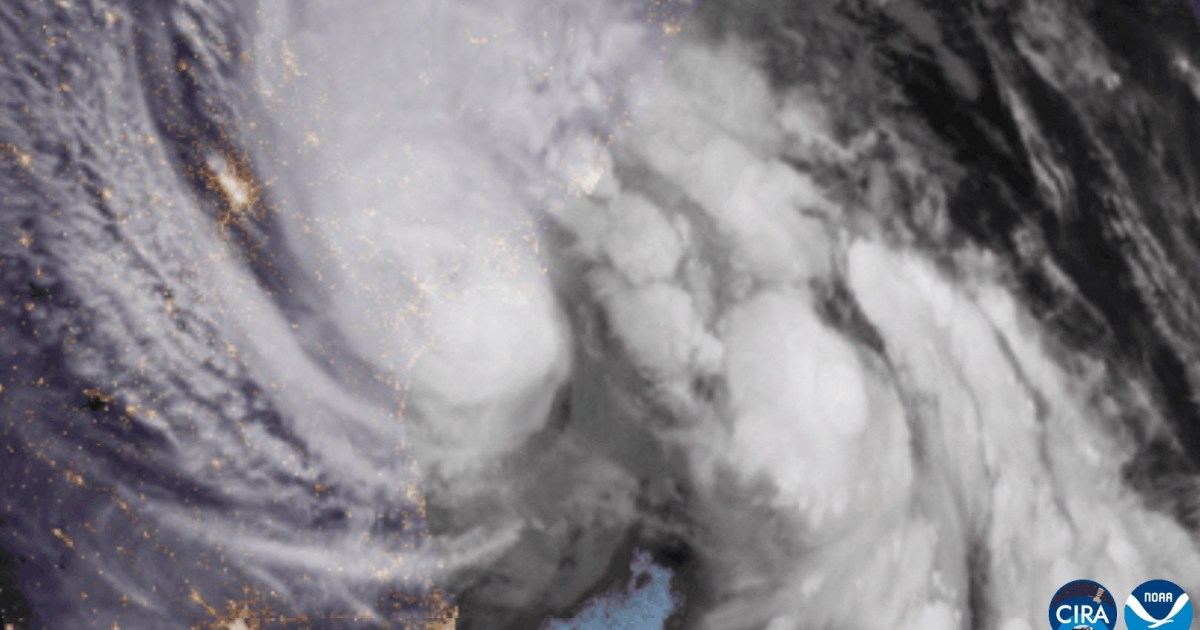
Authorities in India’s southern state of Andhra Pradesh have begun moving tens of thousands of residents out of low-lying coastal areas as Cyclone Murasu approaches a stretch of coastline that was battered by a deadly storm less than a week ago.
About 2,000 people had been evacuated by Monday, with a far larger operation under way. “We are planning to evacuate some 30,000 people,” Prakhar Jain, managing director of the Andhra Pradesh State Disaster Management Authority, told the Reuters news agency.
The India Meteorological Department said Murasu was likely to cross the south Andhra Pradesh coast between Nellore and Narsapur, near the town of Ongole, between 11:30 pm local time on Monday and 4 am on Tuesday. The department forecast sustained winds of 100 to 110 kilometres per hour with gusts reaching 120 km/h, classifying the system as a severe cyclonic storm.
Chief Minister N. Chandrababu Naidu directed officials to prepare for widespread infrastructure damage, warning that between 6,000 and 8,000 electrical poles could be brought down, posing what he described as a “severe threat to power supply.” Deputy Chief Minister Pawan Kalyan wrote on X that the districts of Nellore, Prakasam, Bapatla and Krishna faced the most serious impact.
Six National Disaster Response Force teams and seven State Disaster Response Force teams have been pre-positioned across the affected zone, Jain said, according to the IANS news agency. Three of the NDRF teams were dispatched from the neighbouring state of Tamil Nadu, ANI reported. In Nellore district, Collector Himanshu Shukla urged fishermen to stay off the water and ordered coastal officials to remain at their posts.
Schools have been closed across Andhra Pradesh, Tamil Nadu and Odisha. Rain is expected to continue over parts of Andhra Pradesh, Telangana, Odisha and Chhattisgarh through Wednesday even as the storm weakens after landfall, according to ETV Bharat.
Murasu is forecast to be less powerful than Cyclone Arnab, which struck the same coastline last Wednesday, killing six people and destroying dozens of homes and crops. The back-to-back storms leave emergency services and local communities with little time to recover between events, compounding the strain on an already stressed disaster-response system.