



Listen to the article
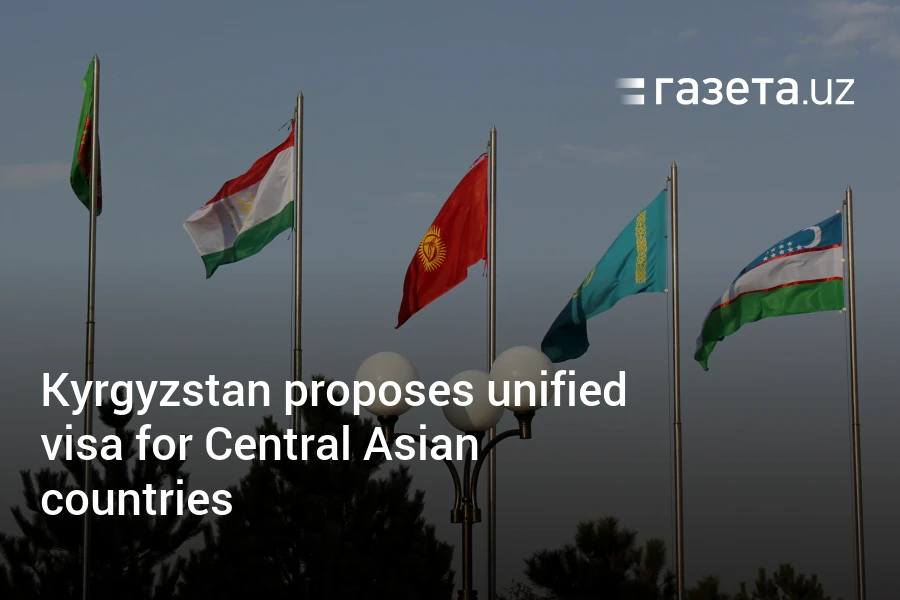
Kyrgyz President Sadyr Japarov has called on Central Asian states to establish a visa-free zone among themselves and introduce a single unified visa for foreign nationals modelled on the European Schengen system, reviving an initiative that has circulated in the region since 2018 but has yet to be implemented.
Japarov made the proposal in a Facebook post on 13 March, written in the immediate aftermath of signing a state border agreement with Tajik President Emomali Rahmon. “Central Asian countries should begin the process of implementing a visa-free regime with each other and introduce a single visa for foreign visitors, allowing them to travel freely across the region, similar to the Schengen visa,” he wrote.
A proposal with a long history
The concept of a so-called Silk Road Visa is not new. Uzbekistan and Kazakhstan first signed agreements on mutual recognition of visa regimes for Silk Road countries in 2018. At that time, Uzbekistan indicated that Kyrgyzstan and Tajikistan had expressed interest in joining the arrangement, while Turkmenistan was still weighing its options. Kazakhstan also floated the idea of extending the project to Azerbaijan and Turkey.
By 2020, the agreement appeared close to finalisation, but the COVID-19 pandemic interrupted negotiations and left several legal and procedural questions unresolved. As recently as 2022, Uzbekistan and Kazakhstan were still working on the regulatory framework needed to define the visa’s legal status, with no agreement signed.
Japarov’s renewed push comes at a moment of unusual diplomatic momentum in the region, following the resolution of the Kyrgyzstan-Tajikistan border dispute — a demarcation problem that had remained unsettled for 101 years since borders were first drawn in 1924. “Now we can say that all countries in the region have finally resolved their border disputes. From this moment, eternal peace was established in Central Asia,” Japarov said.
Border deal heads to parliament
The signed border agreement is scheduled to be submitted for ratification to the Jogorku Kenesh, Kyrgyzstan’s parliament, on 19 March. The deal involves the transfer of territory on both sides, including the relocation of residents from Dostuk village and a number of households situated in a checkerboard pattern along the boundary line. Japarov said the irregular settlement pattern necessitated a straight demarcation line to allow effective border control.
He acknowledged the human cost of the arrangement. “It is undoubtedly difficult for our citizens to leave the transferred lands, as this is their homeland, the resting place of their ancestors. The same feelings are shared by Tajik villagers whose settlements became part of Kyrgyzstan. It is a painful process for both sides,” Japarov said, while arguing that state interests must take precedence over those of individual communities when drawing national borders.
The president also framed the agreement in terms of lives lost, saying border conflicts over the past 30 years had claimed thousands of citizens on both sides. He pledged government support for displaced residents. “We will provide them with modern homes offering significantly better living conditions,” he said.
Whether Japarov’s visa proposal will gain traction among the other four Central Asian governments remains to be seen. Previous rounds of negotiation stalled on questions of legal framework and the terms of participation, and no timeline or formal mechanism for new talks has been announced.