


Listen to the article
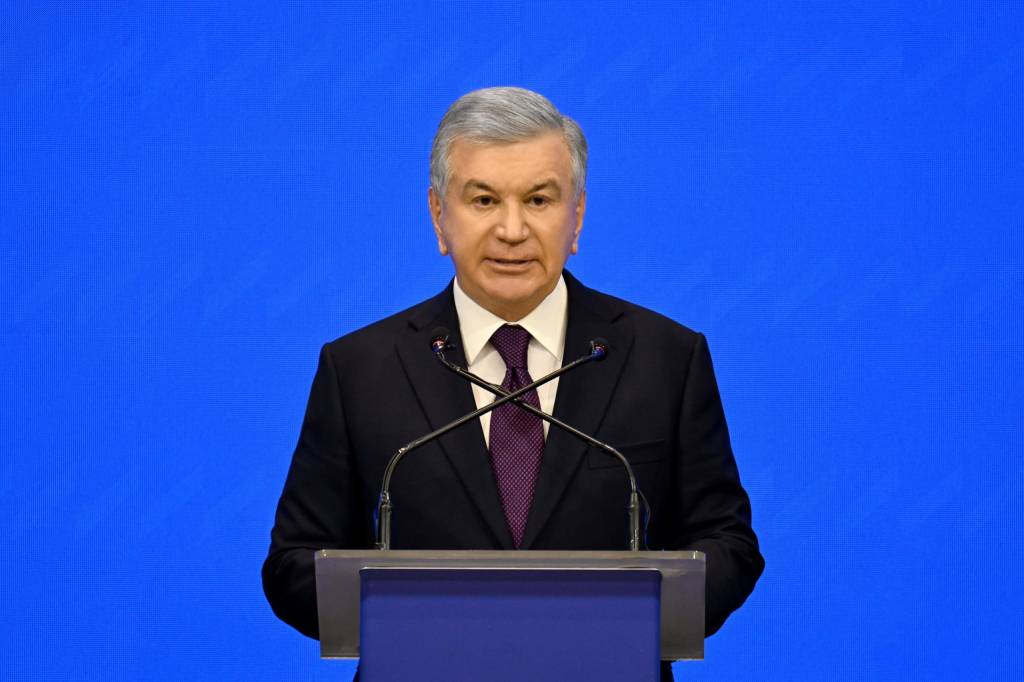
Uzbekistan and Jordan have signed a Preferential Trade Agreement that reduces customs duties on 300 product categories, with President Shavkat Mirziyoyev expressing confidence the deal would help push bilateral trade to $500 million. The agreement was concluded during a business forum in Amman attended by government ministers, company executives and business community representatives from both countries, at which King Abdullah II ibn Al Hussein and Jordan Chamber of Industry Chairman Fathi Al-Jaghbier also addressed delegates.
Mirziyoyev told the forum that bilateral trade had grown nearly ninefold over the past five years and expanded by 80 percent in 2025 alone. More than 20 enterprises with Jordanian investment are currently operating in Uzbekistan. He described the King of Jordan’s visit to Samarkand last year as having opened a new chapter in relations, and noted that direct flights between Tashkent and Amman and a mutual visa-free regime had since been established. The inaugural sessions of the Intergovernmental Commission and the Business Council had also been held.
Five sectors, specific proposals
Mirziyoyev set out five priority areas for deepening economic cooperation. In textiles, he proposed establishing joint production facilities in Jordan’s Aqaba Special Economic Zone using raw materials and semi-finished products from Uzbekistan, with finished goods then exported to third-country markets together.
For the mining industry, Jordanian investors were invited to participate in critical minerals projects at the Metals of the Future technology parks being established in Tashkent and Samarkand. On pharmaceuticals, Mirziyoyev said Jordanian partners would be given the necessary conditions and incentives at the Tashkent Pharma Park cluster to jointly localise production of new pharmaceutical products and facilitate technology transfer.
In chemicals, he highlighted the potential for the two countries to combine their capacities to produce competitive mineral fertilisers, and welcomed agreements already reached on food additives, household chemicals and plant protection products. The fifth area was agriculture, where Mirziyoyev said joint agro-industrial clusters and cooperation in seed production, horticulture and livestock farming would contribute to food security in both countries.
The President also pointed to tourism, arguing that the visa-free regime and direct flights created favourable conditions for growing visitor numbers, and invited Jordanian citizens to travel to Samarkand, Bukhara and Khiva.
Contracts signed, monitoring mechanism agreed
Mirziyoyev welcomed the signing of what he described as a substantial package of contracts and agreements during the forum, without specifying their total value. Separate discussions between business representatives covered prospects in the leather industry, telemedicine, food and construction materials production, electrical engineering and logistics. Jordanian entrepreneurs were briefed on Uzbekistan’s free economic zones and investment conditions.
The two sides agreed to establish continuous monitoring of the implementation of agreements and joint projects through the Intergovernmental Commission framework. The next Uzbekistan–Jordan Business Forum was announced for Tashkent in March, and Mirziyoyev called on Jordanian partners to attend with new proposals while urging Uzbek entrepreneurs to make fuller use of the Jordanian market.