


Listen to the article
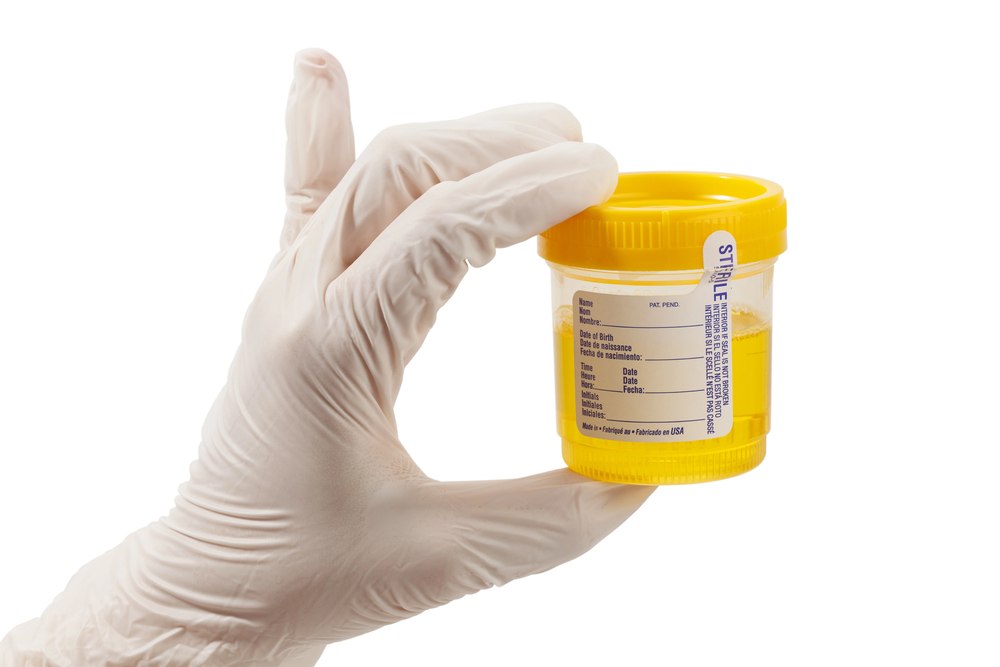
Kazakhstan will introduce formal procedures on 29 November requiring civil servants to undergo drug testing when supervisors identify signs of possible substance use, with refusal to comply potentially resulting in dismissal.
The rules, set out in a joint order by the Ministry of Health and the Agency for Civil Service Affairs, establish a structured threshold for triggering an unscheduled medical examination. A supervisor must identify at least three signs drawn from three distinct categories — behavioural, physical and physiological, and psychological and cognitive — before a referral can be made. The list of qualifying signs includes frequent lateness, mood swings, difficulty concentrating, impaired motor coordination, abnormal pupil responses to light, injection marks, panic attacks and hallucinations.
Immediate supervisors and human resources departments carry the responsibility for identifying and recording those signs. The order acknowledges that many of the listed symptoms may stem from medical conditions, fatigue or prescribed medication, and specifies that whether illicit substances are involved must be determined through a medical examination rather than managerial judgment alone. Once referred, a civil servant must attend a state-run mental health facility within two working days.
What Triggers Testing and What Follows
Beyond observed symptoms, signs of intoxication while on duty or the discovery of drugs in the workplace may also prompt unscheduled testing. If drug use is confirmed, the findings are forwarded to law enforcement and to the Agency for Civil Service Affairs, which must then consider disciplinary action. Employees retain the right to challenge the medical findings.
The new referral procedures sit within a broader legal framework for civil-service drug testing that came into force on 1 July 2026. Under that framework, senior government officials are subject to annual medical examinations. Mandatory testing also applies to employees whose duties involve heightened responsibility or risks to others; each government agency compiles its own list of such positions based on the potential consequences of employee error, though access to those lists is restricted.
Synthetic Drug Surge as Backdrop
The expansion of testing comes as Kazakhstan confronts a sharp rise in synthetic drug use. During the first seven months of 2026, authorities seized 865 kilograms of synthetic drugs and dismantled 17 clandestine production facilities — figures that reflect a broader shift in Central Asia’s drug market toward domestically produced synthetic substances.
The new procedures represent the operational layer of a policy framework that has been building since mid-2026, translating the legal authority to test civil servants into a defined, documented process that supervisors and HR departments are now expected to follow.