



Listen to the article
Kazakhstan exported 63,200 metric tons of sunflower husk pellets in the first nine months of 2026, 3.56 times the volume shipped in the same period a year earlier, according to figures from the National Association of Oilseed Processors of Kazakhstan (NAPMK) published by the Ministry of Agriculture on 5 November.
The nine-month total already stands at nearly double the 33,400 metric tons exported across all of 2025. Export revenue rose 515% year-on-year to $3.4 million over the same period.
The pellets are made by compressing discarded sunflower seed shells — a byproduct of oil extraction — into a dense, transportable biomass fuel. Poland accounted for approximately 98% of Kazakhstan’s shipments in 2025, though the ministry did not provide a destination breakdown for 2026. Polish power plants use the pellets as biomass fuel; the ministry noted that a single large plant could consume up to 30,000 metric tons per month, without identifying the facility or confirming it purchases Kazakh material.
How the supply chain works
Sunflower husks represent 14% to 18% of the weight of seeds processed into oil, depending on seed quality, according to NAPMK board chairman Yadykar Ibragimov. Most medium-sized and large Kazakh oil mills already burn a portion of these husks as boiler fuel to generate steam for processing. Surplus husks can be compressed into pellets, whose higher density makes long-distance transport and storage more practical than shipping loose shells.
As many as ten factories in Kazakhstan currently produce a combined total of up to 10,000 metric tons of pellets per month, almost entirely for export. The ministry also cited one large processing plant that uses husks to generate electricity for its own production buildings and grounds.
Expanding sunflower base
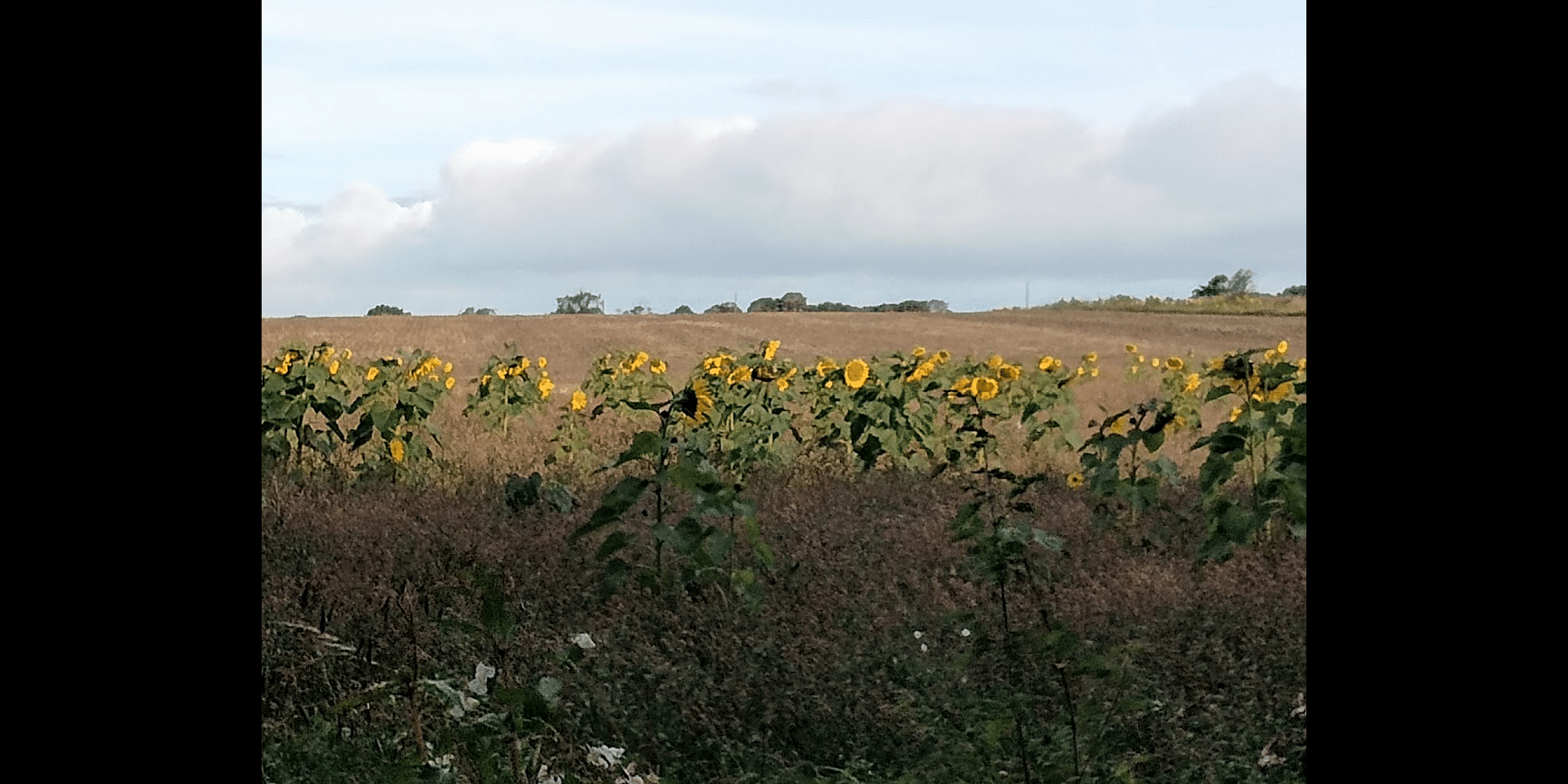
The pellet trade’s growth is directly tied to Kazakhstan’s expanding sunflower cultivation. The area planted with sunflowers increased by 25% in 2026 to 2.2 million hectares, with the Pavlodar, Kostanay, Akmola and North Kazakhstan regions accounting for roughly 90% of that expansion. The country’s oil mills collectively have an annual processing capacity of 4.4 million metric tons of sunflower seeds — a potential source of additional husks as throughput rises.
However, the Agriculture Ministry acknowledged in October that domestic sunflower seed supplies remain insufficient to meet processors’ current demand, a constraint that could limit near-term pellet output regardless of export appetite.
NAPMK estimates Kazakhstan could reach annual pellet exports of 250,000 metric tons in the medium term — roughly 7.5 times the 2025 full-year total. The association said further growth would depend on expanding both sunflower cultivation and processing capacity, as well as sustained European demand for biomass fuel.
Wider oilseed ambitions
Pellet exports remain modest against Kazakhstan’s broader oilseed targets. Under its latest export roadmap, the government aims to raise annual oils and fats exports to $1.5 billion and rank Kazakhstan among the world’s four largest sunflower oil exporters by 2028, with a longer-term objective of reaching the top three.
Foreign investment is also entering the processing sector. Iran’s Golrang Industrial Group and Kazakhstan’s Ministry of Agriculture agreed in May 2026 on a proposed $70 million oil extraction plant capable of processing up to 3,000 metric tons of sunflower seeds per day, which would generate additional husk volumes if built.