



Listen to the article
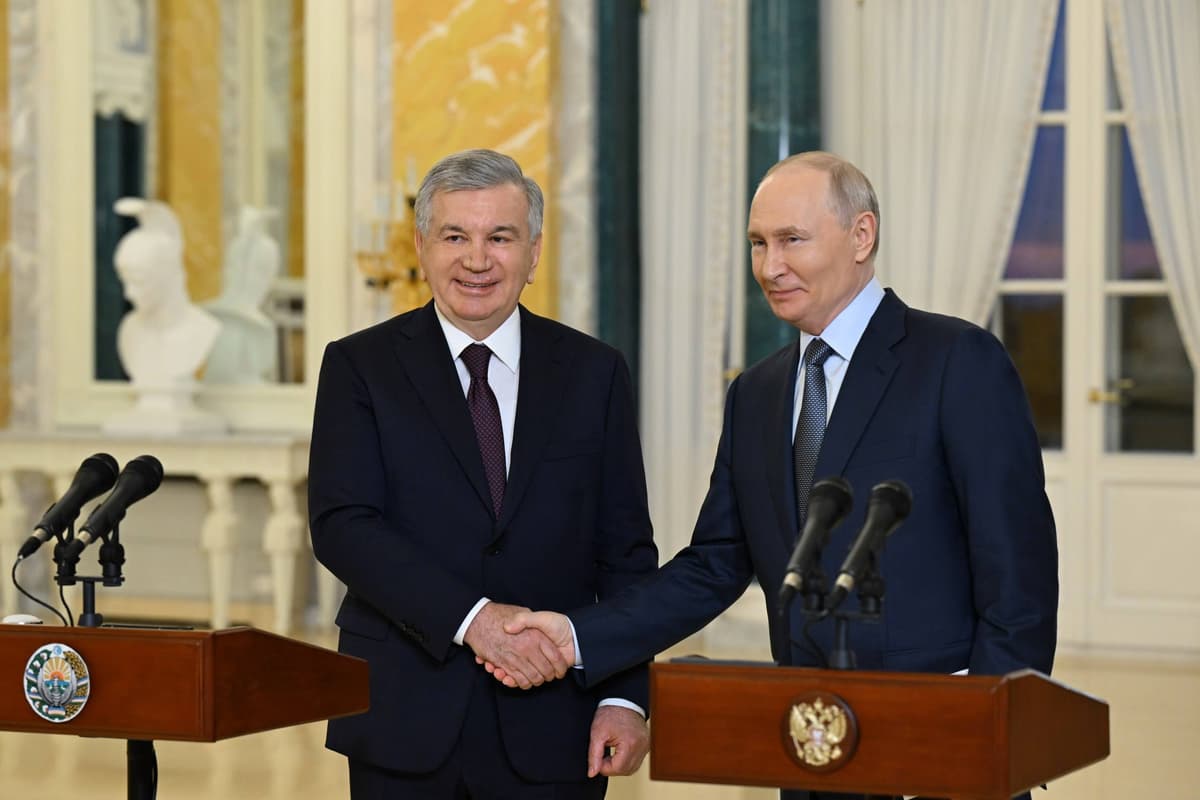
Presidents Shavkat Mirziyoyev and Vladimir Putin formally launched construction of the first energy unit of Uzbekistan’s inaugural nuclear power plant on Thursday, marking a milestone in the country’s long-running effort to diversify its electricity generation away from fossil fuels.
The ceremony took place in Saint Petersburg. Rafael Grossi, Director General of the International Atomic Energy Agency, participated via video link, signalling the organisation’s active involvement in overseeing the project from its earliest stages.
Mirziyoyev thanked Putin and Grossi for their support and singled out the Uzbek and Russian specialists working on the initiative for what he described as their dedication and high-level expertise. Both presidents expressed confidence that the project would deepen the strategic partnership between the two countries.
A new chapter in Uzbek energy
The plant is described as an integrated facility that combines technologies from two distinct branches of nuclear engineering: small modular reactor generation and conventional large-scale power engineering. That dual approach is relatively uncommon and reflects an effort to apply newer reactor concepts alongside proven industrial-scale infrastructure.
Mirziyoyev framed the project in broad terms, saying it would open a new era in Uzbekistan’s technological, industrial and scientific development and provide the foundation for an entirely new domestic atomic energy sector. The country currently has no operating nuclear capacity.
Safety, the president said, is the absolute priority. Construction and preparations for eventual commissioning are being carried out in strict accordance with international standards and advanced engineering solutions, he added, with continuous IAEA supervision throughout the process.
Grossi’s participation in the launch ceremony underlines the agency’s monitoring role, which Tashkent has publicly emphasised as a guarantee of compliance with global nuclear safety norms — a point of particular sensitivity for a project in a region with no prior experience operating commercial reactors.
Strategic and geopolitical dimensions
The plant is being built with Russian state nuclear corporation Rosatom as the principal partner, consistent with agreements that Tashkent and Moscow have developed over several years. The formal launch in Saint Petersburg, on the sidelines of what is typically a major Russian business and diplomatic forum, gave the occasion additional political weight.
For Uzbekistan, the project represents the most capital-intensive and technically complex infrastructure undertaking in its post-independence history. The country faces growing electricity demand driven by population growth and industrial expansion, and has struggled with seasonal shortfalls that have at times required rolling blackouts. Nuclear baseload generation is seen in Tashkent as a long-term structural answer to that problem.
No commissioning date or total cost figure was stated in the official announcements accompanying Thursday’s ceremony.