



Listen to the article
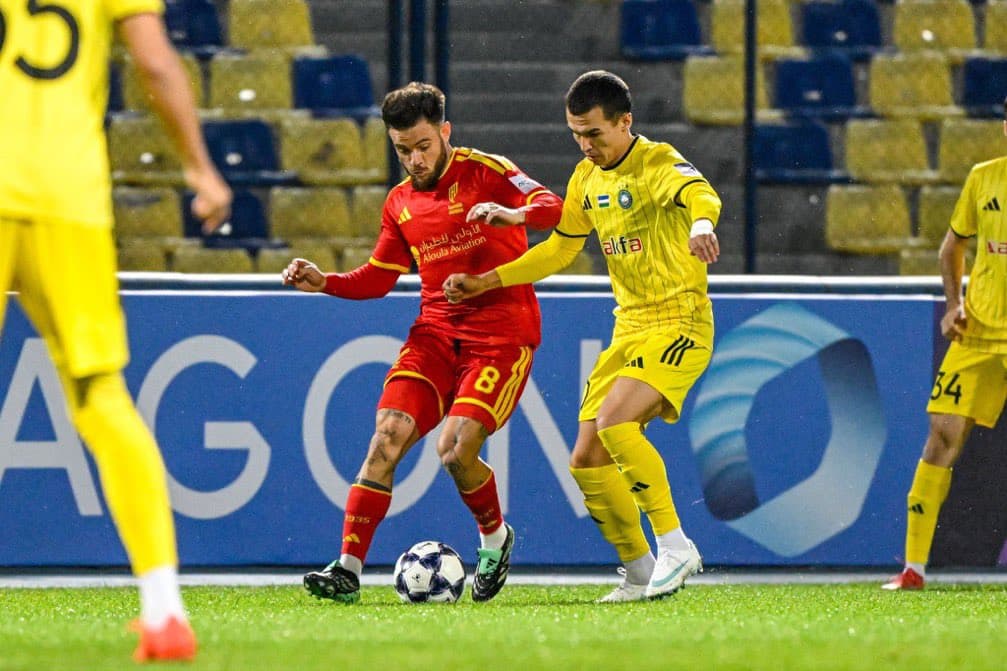
Paxtakor avoided defeat at home on Monday when substitute Dostonbek Hamdamov scored from the penalty spot in the 89th minute to cancel out Tijani Reynders’s first-half goal and earn a 1-1 draw against Saudi Arabia’s Al-Qadsiah in the second matchday of the AFC Champions League Elite.
The match at Paxtakor Stadium in Tashkent looked to be heading toward a narrow defeat for Uzbekistan’s runners-up after Reynders put the Saudi visitors ahead in the 35th minute. Hamdamov, who had entered the pitch as a substitute in the 77th minute, stepped up to convert the late penalty and rescue a share of the points.
The result extends Paxtakor’s unbeaten start to the continental campaign but also continues a pattern of drawn matches. In the opening round the Tashkent club drew 1-1 away against Al-Ahli, another Saudi side, meaning they have now taken two points from a possible six across their first two outings.
Al-Qadsiah were managed on the night by Northern Irish coach Brendan Rogers and fielded a squad with considerable European pedigree, including German midfielder Julian Weigl, Uruguayan Nahitan Nández, and Italian striker Mateo Retegui alongside Reynders, who opened the scoring. Akmal Mozgovoy was booked for Paxtakor in the 33rd minute, while Al-Qadsiah’s Ali Diabaté received a yellow card in the 62nd.
South Korean referee Choi Hyun-jae officiated the match.
Paxtakor’s starting lineup was anchored by goalkeeper Vladimir Nazarov, with a back line of Zaid Tahsin, Murtazo Puraliganjiy, Hojiakbar Alijonov and Akmal Mozgovoy. Puraliganjiy was replaced by Sardor Sobirxo’jayev in the 82nd minute, while Bashar Resan, Flamarion and Stefen Chinedu all made way for Oybek Bozorov, Hamdamov and Aymen Husayn respectively in the 77th minute.
Paxtakor’s next AFC Champions League Elite fixture is scheduled for 26 October, when they travel to face Iraq’s Al-Quwwa Al-Jawiya.