



Listen to the article
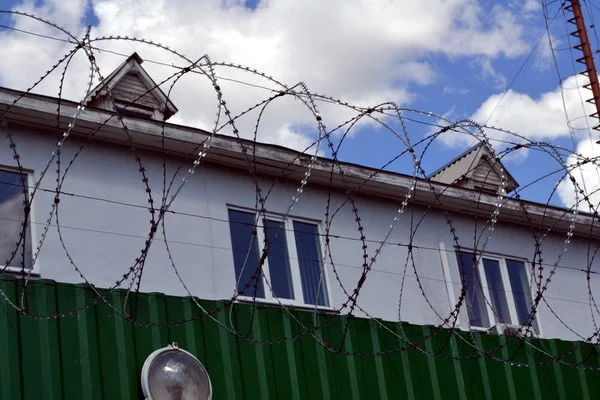
A Tashkent court has sentenced nine people for running an online drug-dealing operation directed from inside a prison, after the facility’s first deputy governor supplied an inmate with a mobile phone that became the nerve centre of the scheme.
The Chilanzar District Criminal Court heard the case against the group, whose leader used the phone to set up a digital drug shop while incarcerated. Accomplices outside the prison walls handled deliveries to customers. Law enforcement detained all nine suspects during operational activities.
Sentences and Legal Classification
The ringleader was convicted under Article 273, Part 5 of Uzbekistan’s Criminal Code, which covers illegal operations involving narcotic and psychotropic substances for sale and their unlawful distribution. The court sentenced him to 14 years in prison; after partially adding the unserved remainder of a prior sentence under Article 60 of the Criminal Code, his final term was set at 14 years and one month. The court additionally classified him as an especially dangerous recidivist under Article 34, meaning he will serve his sentence in a high-security facility.
Six other male members of the group received custodial terms ranging from 10 to 14 years.
Two women were also convicted. One had already faced prosecution and been sentenced in 2024; with part of her outstanding previous sentence added, her final term came to eight years and six months. The court further ordered her to undergo compulsory drug-addiction treatment during her imprisonment. The second woman was sentenced to seven years.
A Prison Official at the Centre
The case is notable for the role attributed to a senior prison administrator. The first deputy governor of the facility allegedly handed a mobile phone directly to the inmate, enabling the entire operation. The Millar programme on Milliy TV, which reported the verdict, did not specify whether the official has been charged or is subject to separate proceedings. The source material does not detail any action taken against him.
The convictions underscore a recurring vulnerability in custodial systems: contraband communications technology allowing inmates to continue or even expand criminal activity from behind bars, with the complicity — alleged or proven — of those responsible for security.