


Listen to the article
The International Court of Justice ruled on 19 November that Myanmar’s authorities committed genocide against the Rohingya people, delivering a verdict that took three hours to read aloud and marks one of the most consequential findings in the court’s history.
ICJ President Yuji Iwasawa of Japan announced that Myanmar had not only carried out genocide but had also failed to prevent it and failed to punish those responsible. Before delivering the operative findings, Iwasawa described in detail how Myanmar’s armed forces applied what the court termed “extreme violence” against Rohingya communities — predominantly Muslim — in Rakhine State.
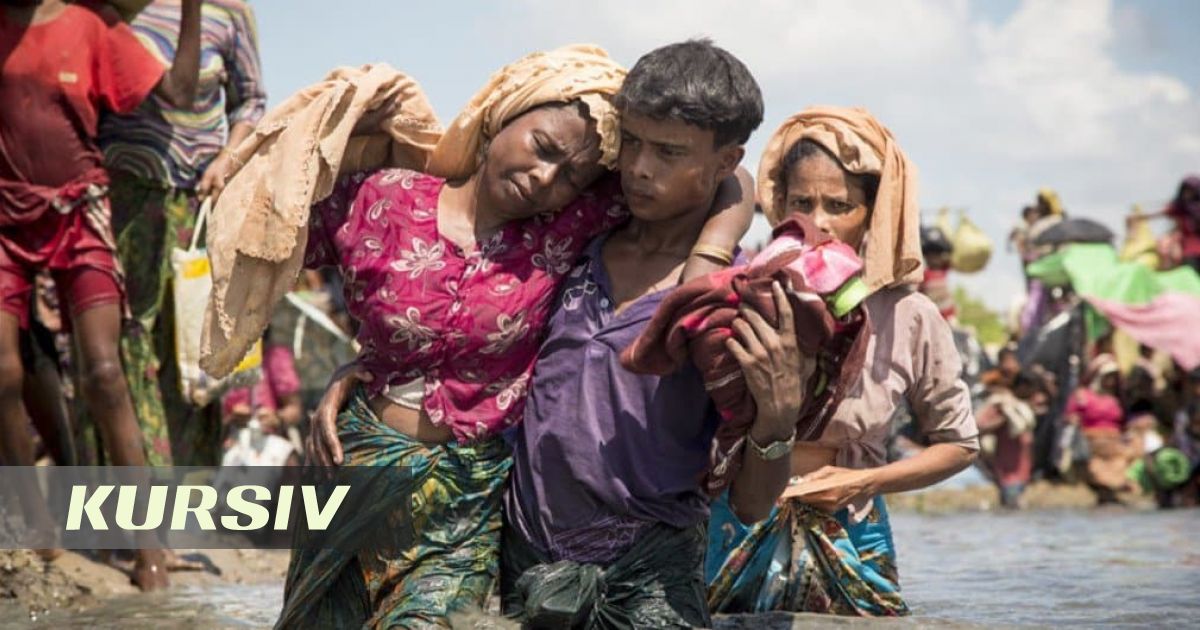
The court found that Myanmar’s security forces and other state actors deliberately killed Rohingya civilians, inflicted serious bodily harm and took measures to prevent births within the group. The 2017 clearance operations in Rakhine State were cited as central to those findings: soldiers destroyed homes and infrastructure, executed men, and raped women and girls. Approximately 700,000 Rohingya fled the country as a result of those operations, and the death toll from military action has been estimated at around 10,000 people.
A Case Brought by Gambia
The proceedings were initiated by Gambia, which filed its application with the court in 2019 under the Genocide Convention. Myanmar’s representative, appearing before the court, maintained that Rakhine State’s government did not recognise the Rohingya as citizens — characterising them as illegal immigrants from Bangladesh — and insisted that the military operations in 2016 and 2017 were counter-terrorism measures in response to attacks by the Arakan Rohingya Salvation Army. Myanmar’s delegation also reiterated that the country’s authorities had no genocidal intent.
Earlier this year, Myanmar’s foreign ministry had published a statement indicating a willingness to cooperate with the court, though the country’s position on the Rohingya’s legal status remained unchanged throughout the proceedings.
Who the Rohingya Are
The Rohingya are an ethnic group living primarily in Rakhine State in western Myanmar. The majority are stateless; Myanmar denies them citizenship on the grounds that they are not among the country’s recognised national groups. More than one million Rohingya refugees currently live in camps in Bangladesh. At the time of the 2017 operations, approximately one million members of the group were living in Rakhine State.
Uzbekistan was among the countries that responded to the 2017 crisis with humanitarian assistance, sending rice, sugar, peanuts, powdered milk, biscuits, blankets, clothing, footwear and medicines. Tashkent’s foreign ministry had also called on Myanmar’s authorities to take steps to halt and prevent violence against the group.