


Listen to the article
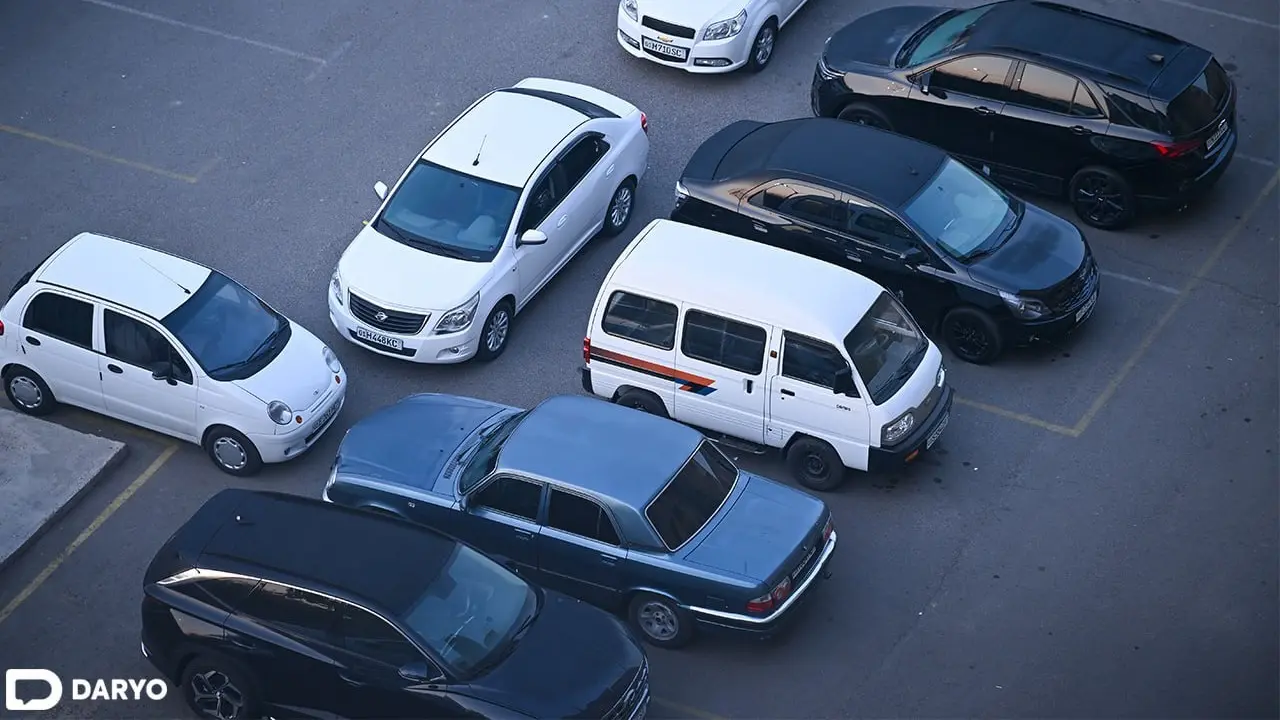
Tashkent’s city administration has announced plans to remove parking lots and vehicle lanes from the inner courtyards of multi-storey residential buildings, redirecting the freed space toward children’s play areas, tree-lined pedestrian paths and communal rest zones for residents.
The measure forms part of the city’s broader “15-minute comfortable environment” project, under which kindergartens, schools, family polyclinics, everyday services and leisure facilities are to be placed within a fifteen-minute walk of every home. The administration says the logic is straightforward: shorter daily errands leave families more time for rest and social life.
Once vehicles are relocated from courtyards, the administration says the reclaimed ground will be used for children’s play, strolling and neighbourly gatherings. Alongside that, mahalla streets are to gain tree-lined boulevards and shaded walkways suitable for prams, quiet rest or conversation. Sports grounds for both children and adults, as well as dedicated meeting spaces, are also planned.
Security features are included in the blueprint. The administration says modern video-surveillance systems will be installed on neighbourhood streets, together with prominently placed SOS buttons that allow residents to call for help in emergencies.
“The project’s task is to make mahallas more comfortable and safe while preserving the ordinary bonds between people — the sense of mutual respect and readiness to help,” the hokim’s office said in a statement.
The political impetus for the programme came on 14 October, when President Shavkat Mirziyoyev attended a presentation in Tashkent of projects aimed at neighbourhood improvement, new school and kindergarten construction, and urban environment development. Under the timetable set at that event, 100 mahallas are to be comprehensively upgraded on the “15-minute neighbourhood” principle in 2027, with the total reaching 400 mahallas by 2030.
The announcement does not specify where displaced vehicles will be accommodated, nor does it detail the financing arrangements or the legal mechanism by which existing parking rights in courtyards would be extinguished.